Kenya's 1.13 Million Learners Begin CBC Grade 10 Senior School
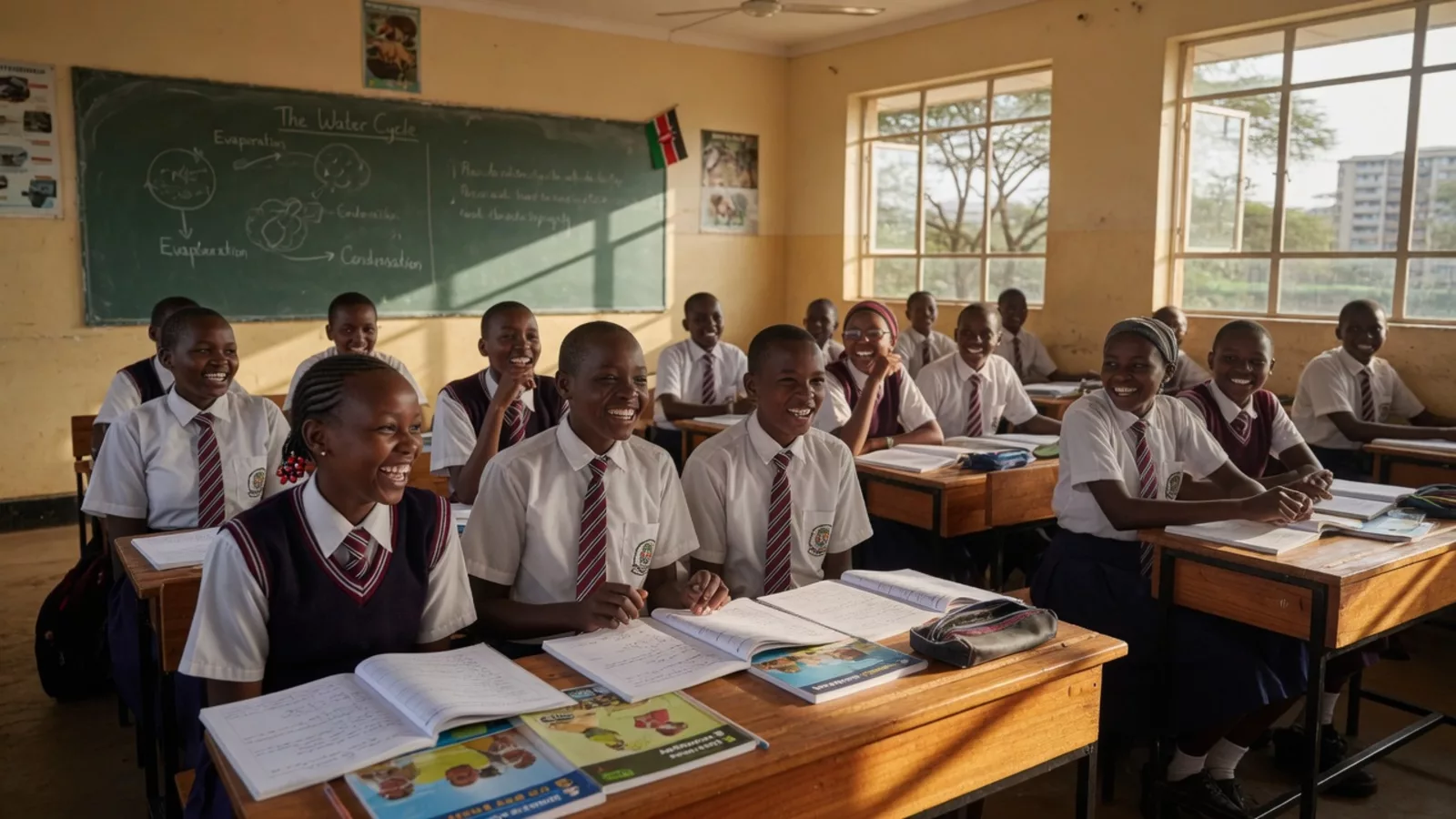
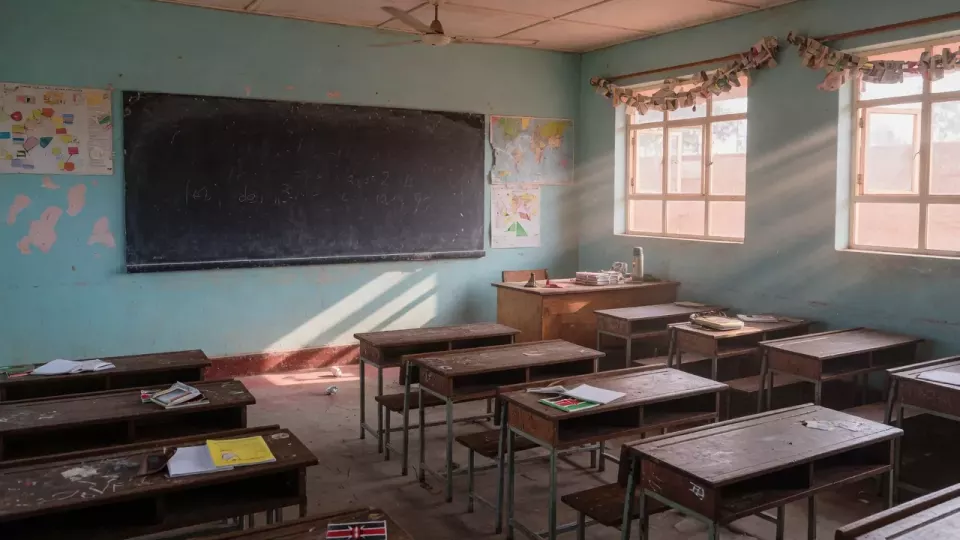
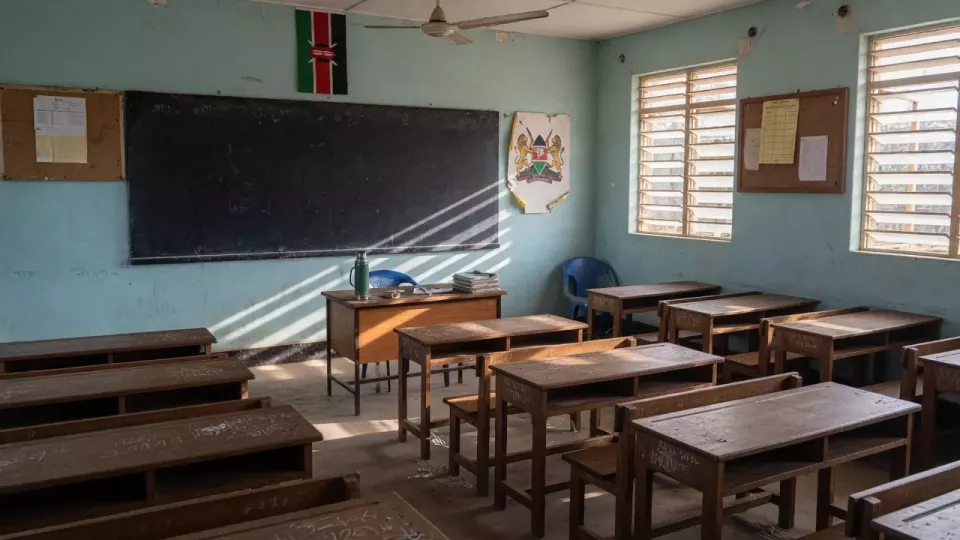
More than 1.13 million learners became the first cohort to enter Grade 10 senior school in Kenya in January 2026, marking a landmark moment in the country's transition to the Competency-Based Curriculum. The milestone represents the most significant restructuring of Kenya's education system in a generation, as students who began their schooling under CBC have now advanced into a senior school tier that simply did not exist before this year.
Placement into senior school was determined through a dual-assessment model combining School-Based Assessments, which accounted for 40 percent of the final score, with the Kenya Junior Secondary School Education Assessment, which carried the remaining 60 percent. Results were used to stream students into one of three pathways: Arts and Sports Science, Social Sciences, and Science, Technology, Engineering and Mathematics. Each pathway is designed to match students' demonstrated strengths to future career prospects, replacing the old system's near-exclusive reliance on a single high-stakes examination.
The transition has, however, been marred by serious challenges that threaten to undermine its promise from the outset. Schools across the country are grappling with acute shortages of teachers trained specifically for senior school subjects under the new curriculum. The gap is sharpest in STEM-related disciplines, where demand for qualified laboratory science instructors far outstrips supply. School administrators in counties including Turkana, Mandera, and parts of the Coast region have reported student-to-teacher ratios well above recommended levels, raising concerns about the quality of instruction reaching this pioneer class.
Infrastructure deficits compound the staffing crisis. Many institutions lack the laboratories and specialist facilities that CBC's practical, skills-oriented learning model requires. The government has pledged to construct 1,600 laboratories across the country to address the shortfall, but education stakeholders are watching closely to see whether funding commitments translate into completed buildings before the next cohort advances. Teachers' unions and civil society groups have urged the Ministry of Education to accelerate procurement timelines and fast-track the recruitment and in-service training of additional educators ahead of the 2027 academic year.
For the 1.13 million learners now seated in Grade 10 classrooms, the immediate reality is one of navigating a system still finding its feet. This cohort will be the first to sit the Kenya Certificate of Secondary Education equivalent under CBC, and the quality of instruction they receive over the next three years will shape their prospects in higher education and the labour market alike. Education analysts say the government's ability to close the resource gap decisively in 2026 and 2027 will serve as the clearest test yet of whether CBC's ambitious vision can be matched by equally ambitious delivery on the ground.