Kenya University Crisis: Ksh13 Billion Cut Threatens 689,000 Students

Kenya's public universities are facing one of the most severe financial crises in their recorded history, after state funding dropped by Ksh13 billion in the 2025/26 fiscal year. The sweeping budget cuts have placed 23 institutions at risk of insolvency and left nearly 689,000 students uncertain about whether the government can honor its scholarship commitments — threatening to unravel years of gains in expanding access to higher education across the country.
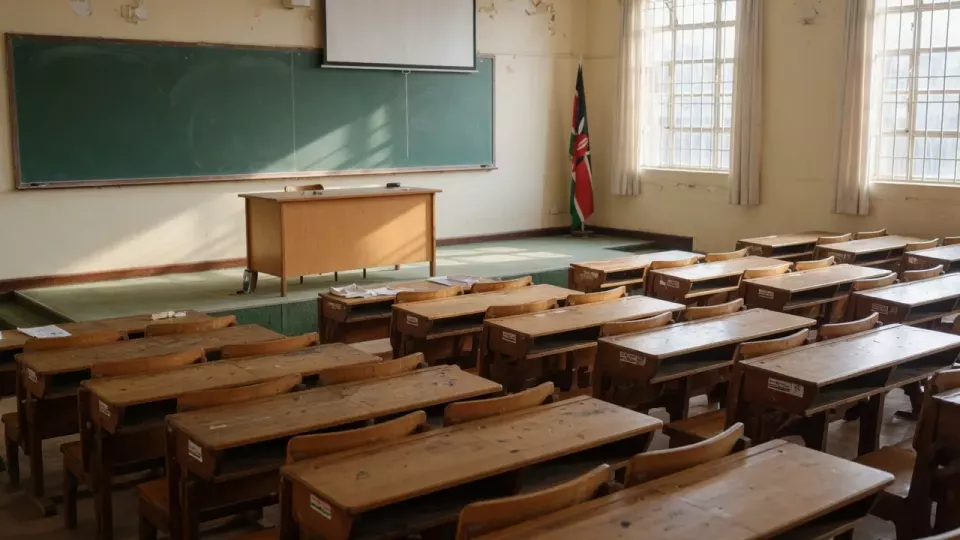
The depth of the crisis is most visible at the University of Nairobi, Kenya's oldest and largest public university. Government capitation to the institution collapsed from Ksh2.44 billion in 2023/24 to just Ksh534.79 million in the 2025/26 budget — a decline of more than 78 percent in two fiscal years. The university, which serves tens of thousands of students across campuses in Nairobi, Mombasa, and Kisumu, now faces acute pressure to maintain basic operations, meet payroll obligations, and sustain academic programs on a fraction of its previous state allocation.
Compounding the operational strain is an Ksh11 billion scholarship funding gap that has left nearly 689,000 students at risk of losing their government support. Under Kenya's Differentiated Unit Cost framework — introduced to match public funding to the actual cost of different degree programs — students were allocated scholarships at varying rates depending on their courses. However, a shortfall in the national budget means the government cannot meet the full value of these commitments, leaving university finance offices unable to bridge the difference and students anxious about their continued enrollment.
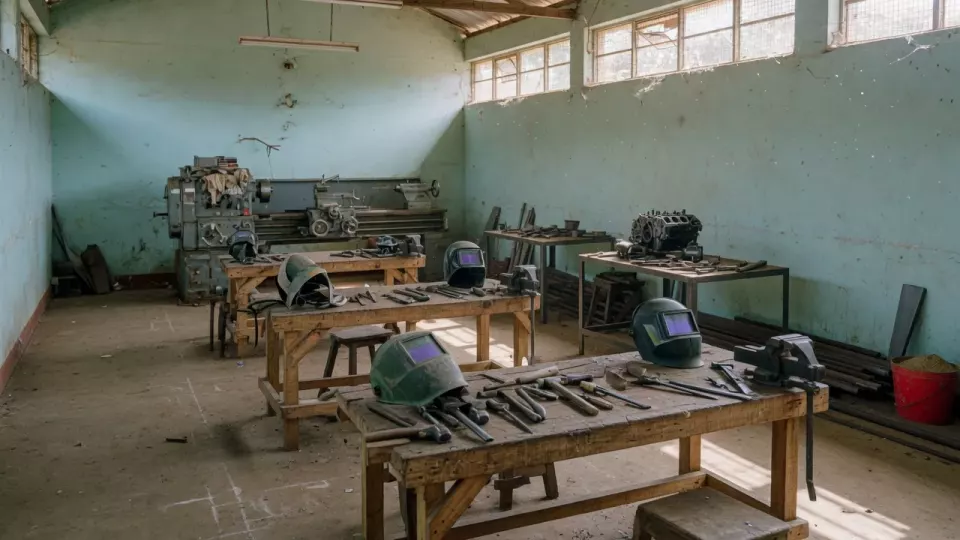
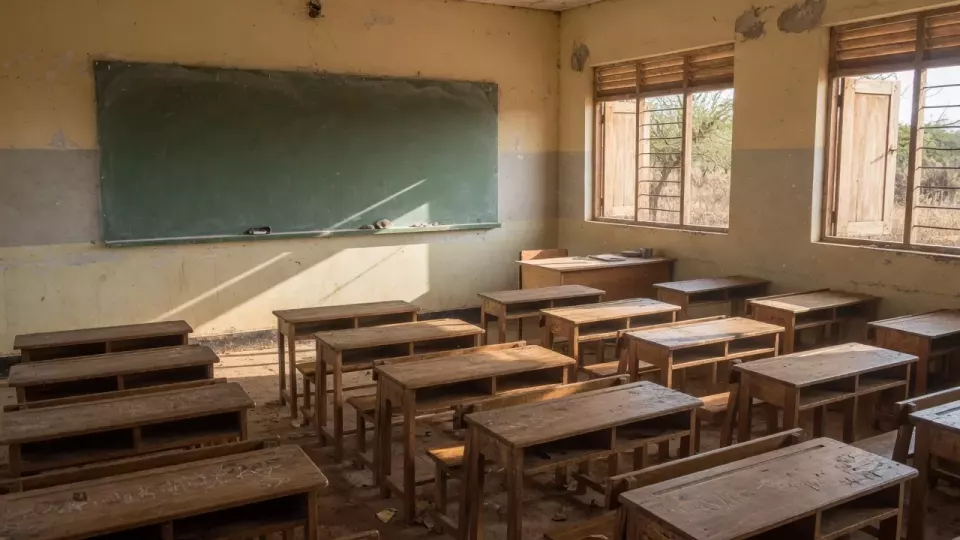
The insolvency risk now hovering over 23 public universities reflects a deeper structural problem that has been building for several years. Public universities in Kenya lost significant self-generated revenue when the government phased out parallel degree programs, which had previously allowed institutions to admit fee-paying students alongside government-sponsored ones. With that income stream gone and capitation falling sharply, many universities have been forced to delay salary disbursements, halt infrastructure projects, and cut non-academic services. Staff unions have staged repeated protests over unpaid wages, and some institutions have struggled to maintain basic facilities such as libraries and student accommodation.
The unfolding crisis poses a direct challenge to Kenya's broader development priorities. The government's Bottom-Up Economic Transformation Agenda and its long-standing Vision 2030 framework both depend on a well-funded higher education sector to produce the skilled graduates needed to drive economic growth. University councils, student leaders, and faculty associations have issued urgent calls on the National Treasury and the Ministry of Education to restore adequate funding before the academic year faces wider disruption. Economists warn that if the gap is not addressed, Kenya risks a deterioration in university standards, increased brain drain of academic staff, and reduced enrollment capacity — outcomes that could set back the country's human capital development by years.