Kenya's Teacher Shortage Crisis: 80,000 Posts Unfilled in Public Schools
Kenya's public school system is currently operating with 80,247 unfilled teaching positions, a deficit that the Teachers Service Commission (TSC) characterises as the most severe since independence and that education experts warn is directly threatening the implementation of the Competency-Based Curriculum now entering its Senior School phase. The figure, drawn from the TSC's June 2026 workforce audit and released to Parliament's Education Committee, represents approximately one in five teaching posts in the public system, with the shortfall concentrated disproportionately in ASAL counties, rural primary schools, and the newly established Senior Schools.
TSC Chief Executive Officer Nancy Macharia told the committee on 10 June that the deficit has compounded over successive budget cycles in which teacher recruitment has lagged behind attrition from retirement, resignation, and mortality, while enrolment driven by the free primary and day secondary education programmes has expanded the required workforce. "We are running up a down escalator," she said. "Each year we recruit, retire, and expand enrolment simultaneously, and the net position worsens."
Where the Gap Is Deepest
The TSC audit breaks the deficit down by level: junior schools face a shortfall of 28,400 teachers, primary schools 31,100, and the newly established Senior Schools — which opened their doors to CBC cohorts in January 2026 — already carry a deficit of 20,747 posts despite being barely six months into operation. The Senior School shortfall is the most strategically damaging, because the CBC pathway system requires teachers with specialist subject expertise — quantum-literate STEM educators, trained performing arts teachers, and sports science coaches — that Kenya's teacher training colleges have not historically produced in sufficient volume.
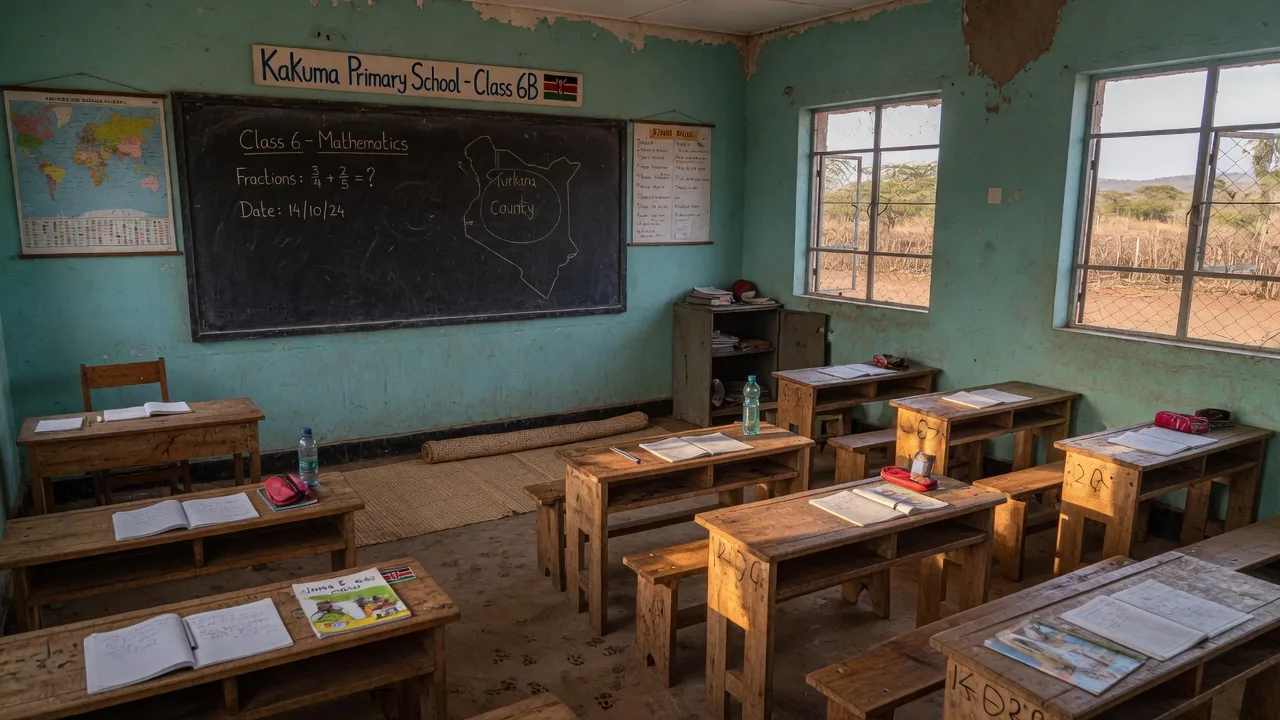
Geographically, Turkana County reports a vacancy rate of 44 per cent, the highest nationally. Mandera, Wajir, Garissa, and Marsabit all exceed 35 per cent. These are the same counties where literacy rates historically lag the national average, creating a cruel circularity: the areas most in need of teaching talent are precisely the areas least able to attract and retain it. Hardship allowances for teachers posted to ASAL areas — currently set at between Sh5,000 and Sh12,000 per month depending on remoteness classification — have not been revised since 2019, eroding their real value substantially over a period of significant inflation.
The CBC Complication
The teacher shortage predates CBC but is sharpened by it. The old 8-4-4 curriculum, for all its criticisms, was delivered by a generalist teacher workforce — a Class Five teacher could cover all subjects with minimal additional training. CBC's pathway model demands teachers who can guide project-based learning, assess competencies rather than examination performance, and integrate digital tools into daily instruction. The Kenya Education Management Institute (KEMI) has trained 54,000 existing teachers in CBC pedagogy since 2020, but trainer-to-trainee ratios have meant that many teachers received a single three-day workshop — widely acknowledged as inadequate preparation for a genuinely different mode of teaching.
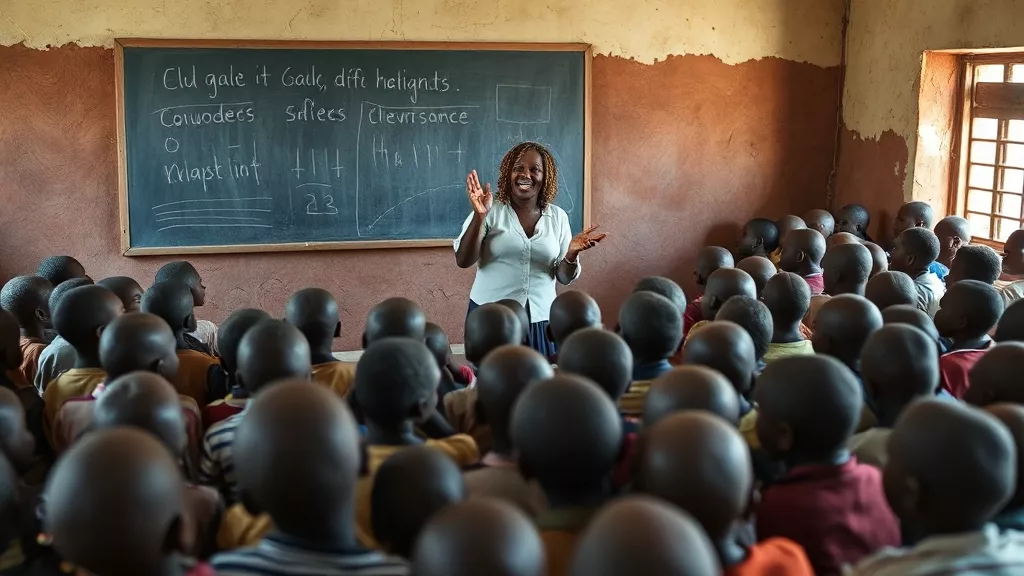
"We have classrooms where one teacher is handling 68 learners across two CBC pathways because there is no one else," said Moses Nthurima, Secretary-General of the Kenya Union of Post Primary Education Teachers (KUPPET). "This is not teaching. This is crowd management. And the children who suffer most are in the counties that already have the least."
Government Plans and Funding Gaps
The TSC has sought Treasury approval to recruit 30,000 additional teachers in the 2026–27 financial year, at an estimated additional annual wage cost of Sh14.4 billion. Treasury has approved 20,000 — a figure the TSC describes as "better than nothing but insufficient." The recruitment exercise, scheduled to open in August 2026, will prioritise STEM, technical, and arts subjects for Senior Schools, and will require applicants to commit to a minimum three-year posting in an underserved county as a condition of appointment.
A parallel initiative under the Ministry of Education will deploy intern teachers — recent graduates from the Kenya Technical Teachers College and public universities with education degrees — on 12-month contracts at a monthly stipend of Sh25,000. Critics have noted that this model, while helpful in the short term, does not address the systemic gap and risks creating a two-tier workforce in which a growing proportion of classroom teachers lack permanent employment security.
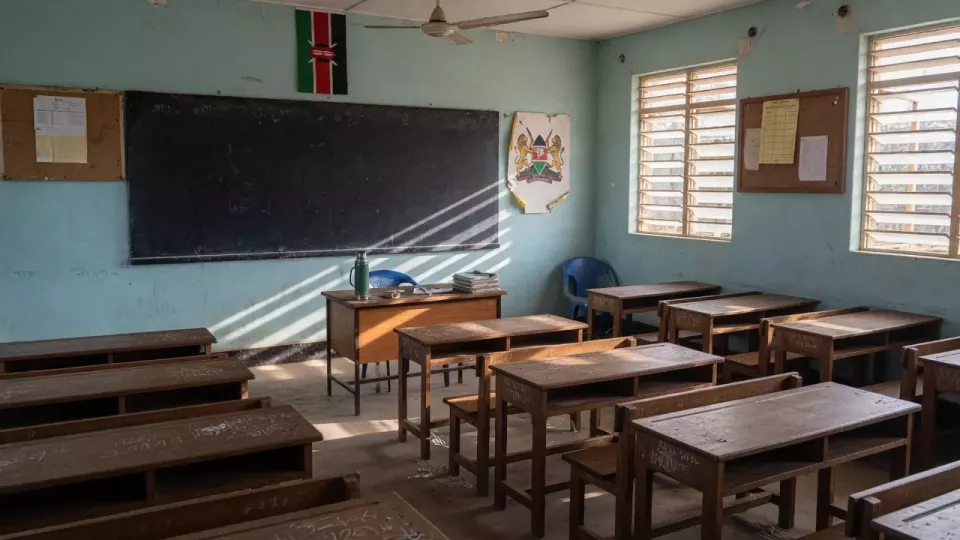
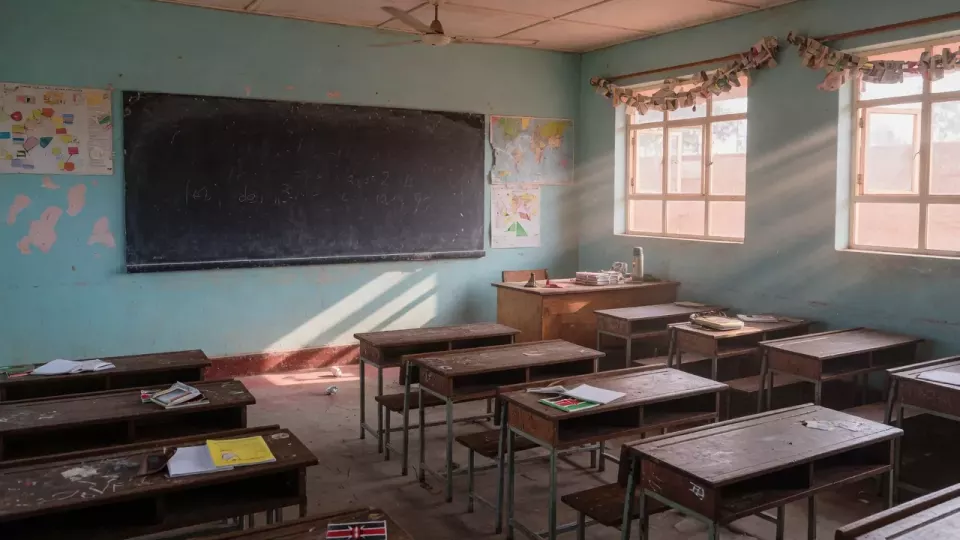
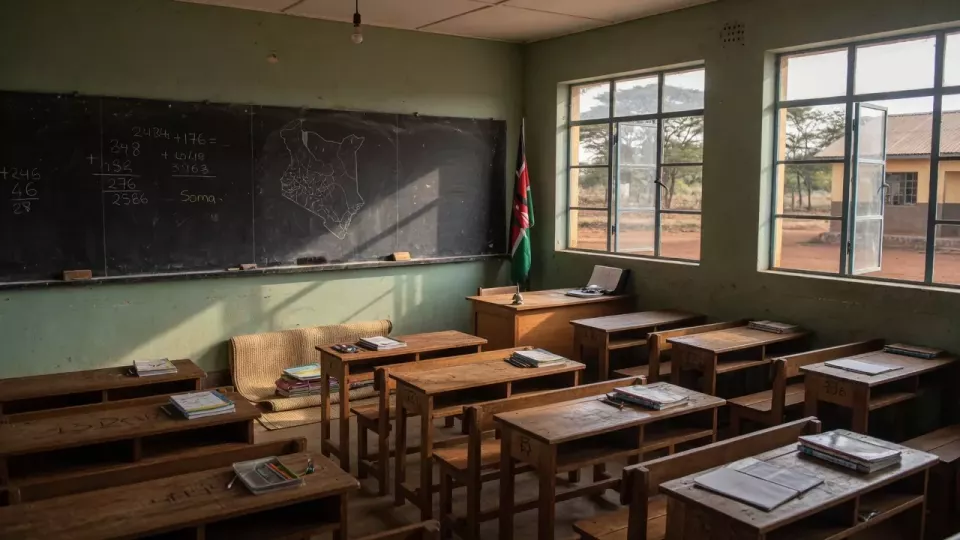
Longer-term solutions are under discussion, including reforming the teacher training curriculum to produce graduates who are pathway-ready from day one, and establishing a Kenya Teaching Service Corps modelled on the Peace Corps concept, which would place high-performing graduates in rural schools with meaningful financial incentives. For now, however, 80,000 empty desks at the front of classrooms across Kenya remain the most eloquent testimony to a system under strain.