DCI deploys specialised border officers against smuggling and trafficking
Key points
- A newly trained specialised unit has been deployed against trafficking and smuggling.
- Focus areas include human trafficking, migrant smuggling and linked cross-border crimes.
- Success requires joint work with immigration, customs, ODPP and foreign counterparts.
- Victim protection must travel with every interdiction, or rescues become revolving doors.
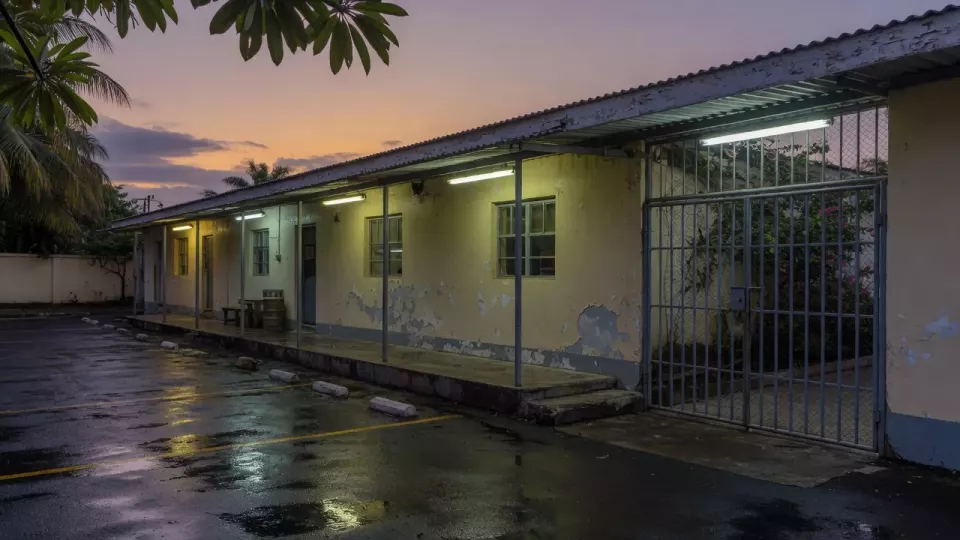
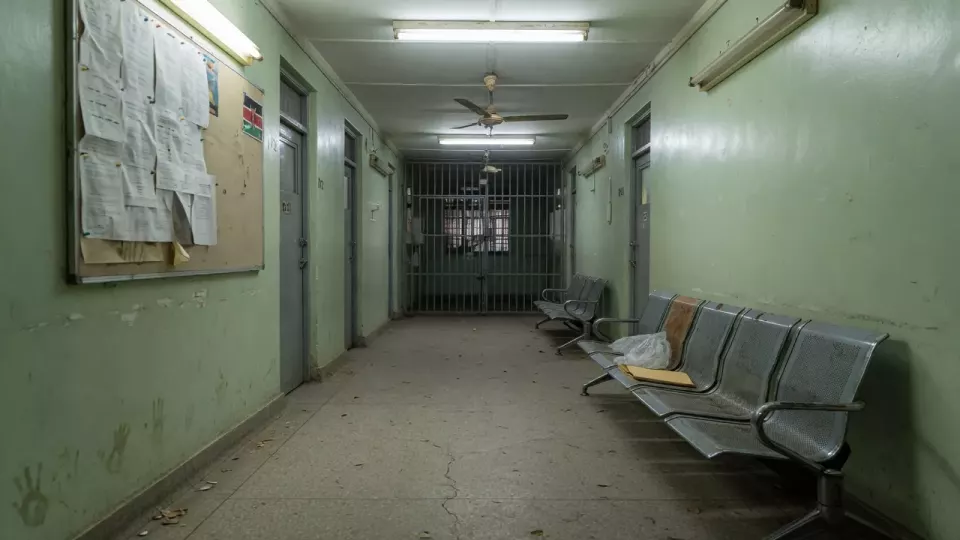
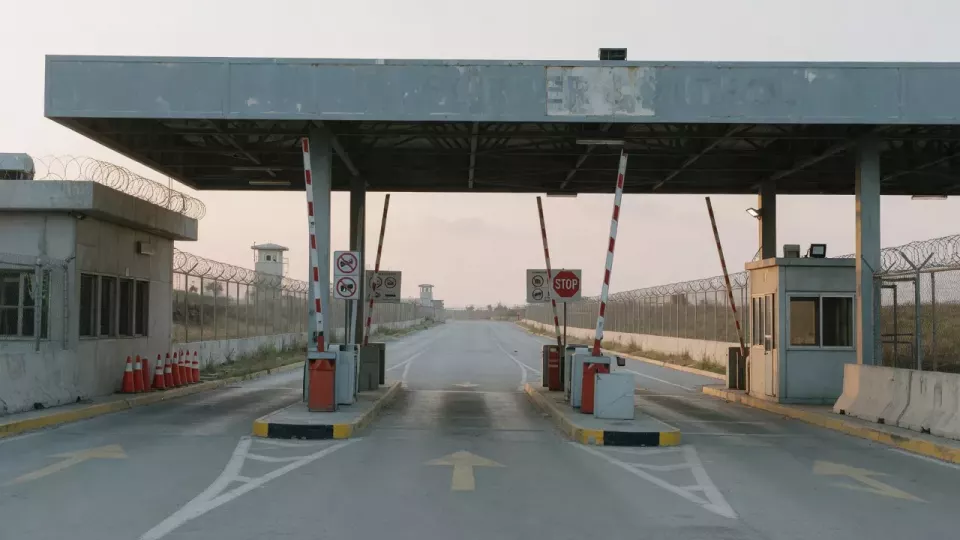
Borders are businesses for criminals until they become careers for investigators. Capital FM reports that Kenya has deployed a newly trained specialised police unit to combat human trafficking, migrant smuggling and other cross-border crimes, strengthening the DCI-linked response at and beyond entry points.
Specialisation matters: ordinary patrol culture misses document fraud patterns, debt-bondage contracts, and digital recruitment that starts on phones in villages. A trained unit can build network charts instead of only counting intercepted passengers on a single bus.
What the unit must show in six months
Major facilitators charged, not only low-level transporters. Assets frozen. Cross-border mutual legal assistance requests filed. Victim shelters funded. Public tip lines that do not expose informants. Without those KPIs, “specialised” is a beret.
Recent urban rescues of confined women show the domestic end of trafficking chains. Border units should connect to city cyber and gender desks so the warehouse and the border post are one investigation. Related crime desk: Crime.
Rights and risks
Anti-smuggling crackdowns can slide into harassment of refugees and traders if profiling replaces intelligence. Training must include human-rights modules and complaint mechanisms. Corruption at borders is the silent partner of every cartel; integrity testing is as important as rifle drills.
Regional diplomacy with neighbours on return, prosecution and data-sharing will decide whether Kenya merely squeezes routes into the next porous point.
Citizen role
Report suspicious mass “job” movements. Verify overseas contracts. Demand that rescued victims are not charged as criminals. A specialised unit is public infrastructure — treat it like one, with oversight.
Training academies should refresh modules every year as traffickers shift from buses to private cars and from paper visas to forged e-documents. Partnerships with banks on suspicious bulk payments for “recruitment” can starve networks faster than roadblocks alone.
Based on Capital FM reporting of the specialised border officers’ deployment against trafficking and smuggling. Operational details may be limited for security reasons; outcomes should be tracked via official updates.