Tourism PS Julius Bitok Tells Visitors Kenya Is Safe Amid Ebola Cancellation Wave

Tourism Principal Secretary Julius Bitok has moved to reassure both local and international visitors that Kenya remains a safe destination, even as the country's hospitality industry grapples with a wave of booking cancellations fuelled by fears over the Ebola outbreak in neighbouring countries.
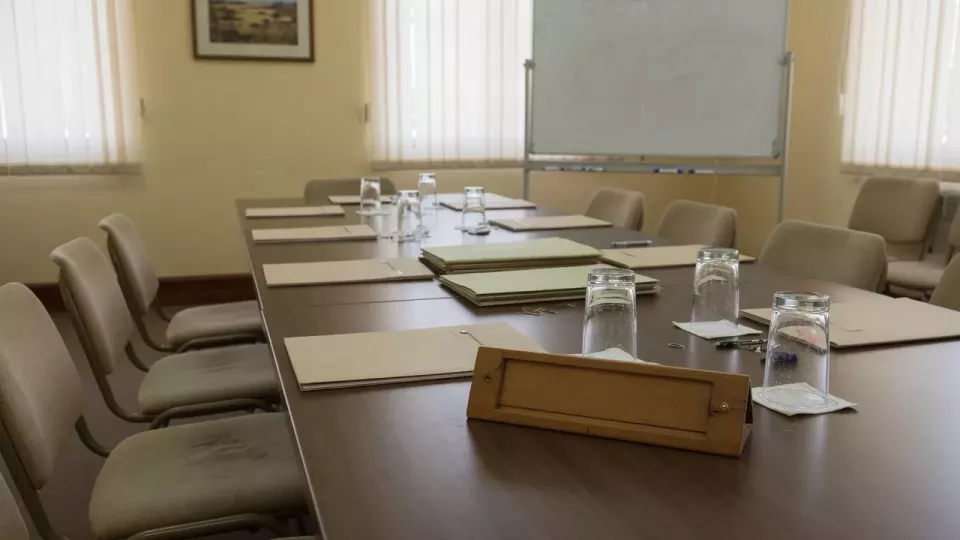
Bitok made the declaration while addressing industry players at a Kenya Association of Hotelkeepers and Caterers (KAHC) symposium held in Malindi. He was categorical that Kenya has recorded no Ebola case and that health authorities have already put preventive measures in place across the country. "Kenya is safe," he told delegates, urging them not to allow unfounded fears to dent the nation's hard-won tourism reputation.
The PS used the Malindi forum to lay out the government's ambitious target of attracting five million tourists annually by year's end — a figure that would mark a significant leap from the approximately 1.5 million visitors Kenya currently draws each year. Bitok called on tourism promotion agencies to ramp up their marketing campaigns to close that gap, saying the current numbers fall well short of what the country is capable of achieving.
The reassurances come at a critical moment for Kenya's hospitality sector. Stakeholders report that bookings have been dropping, with travellers citing Ebola concerns as their reason for cancelling trips to Kenya. While the ongoing outbreak has been reported in the Democratic Republic of Congo, the proximity of that crisis has been enough to rattle confidence among would-be visitors.
Malindi Member of Parliament Amina Mnyazi weighed in on the controversy surrounding Kenya's establishment of quarantine facilities, which some have interpreted as a sign of an outbreak within the country. Mnyazi clarified that the facilities are purely precautionary, put in place because of the constant population movement between Kenya and the DRC, where active cases have been confirmed.
KAHC National Chairman Christopher Musau was frank about the toll misinformation has taken on the sector. "Misinformation has hit the tourism sector very hard," he said, adding that the government needs to do more to counter false narratives that wrongly link Kenya to the Ebola outbreak. He called for a coordinated campaign to set the record straight, both locally and on international platforms.
Kenya's tourism industry is among the country's largest foreign exchange earners, and any sustained dip in arrivals carries serious economic consequences. Stakeholders are now looking to the government and marketing bodies to move quickly — not just with words of reassurance, but with a visible, well-resourced communication strategy that can push back against the tide of misinformation before the damage to the sector deepens.