The Downside of Using Digital Credit to Restock Your Small Business in Kenya

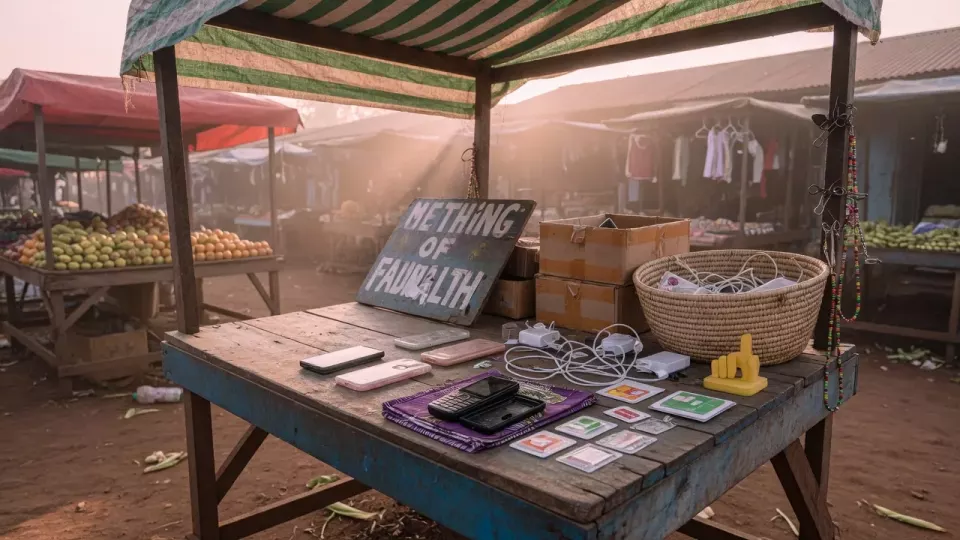
For many Kenyan traders, digital credit has become the go-to lifeline when shelves run dry. The convenience of instant mobile loans — accessible within minutes — has made it tempting to borrow first and think later. But financial experts and real-life experiences across the country are now painting a darker picture of what happens when entrepreneurs rely on credit to fuel their restocking decisions.
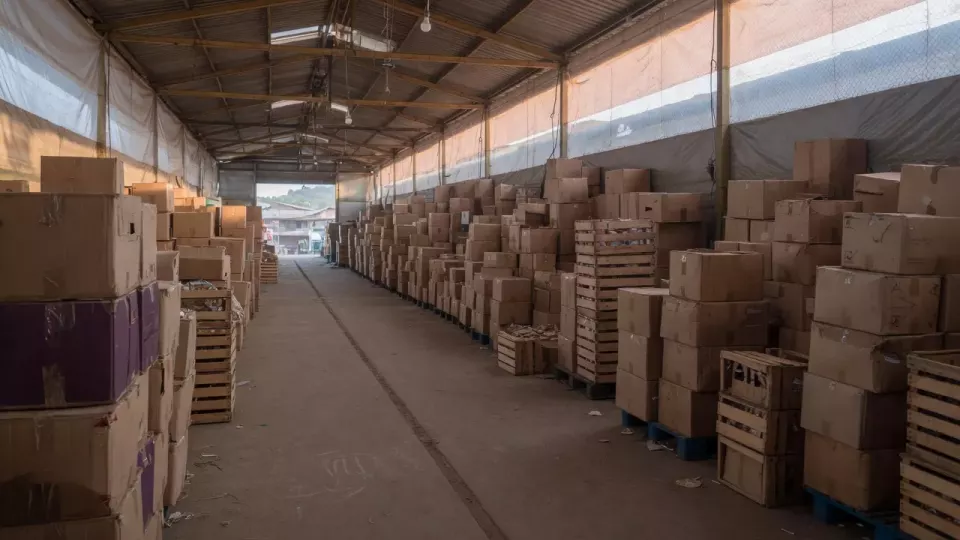
Amos Chege, who runs a dairy and pastry business in Nakuru, experienced this danger firsthand. When a period of community mourning brought an unexpected surge in demand, Chege turned to digital credit to build up his stock and meet incoming orders. At the time, it seemed like a sensible move — customers were buying, and business was brisk.
The turnaround, however, was swift and brutal. Once the mourning period passed, so did the demand. Chege found himself holding excess stock alongside mounting loan repayments, carrying interest rates that his lender had set well above what the Central Bank of Kenya recommends. Unable to break free from the cycle, he eventually shut down his shop entirely.
Personal banker John Mathu says Chege's experience is far more common than most people realise. "You take that credit facility and order stock. But in a short time, that craze is gone, and you're left with dead stock and a loan to clear," Mathu explains. His view is that the core problem lies in the impulsive nature of credit-driven restocking — decisions made on excitement rather than sound business judgment.
The risks Mathu identifies are wide-ranging. Traders who chase short-lived trends using borrowed money frequently end up with dead inventory — goods that nobody wants to buy — while still owing creditors. Missing repayment deadlines also strains relationships with distributors and suppliers, gradually eroding the trust and goodwill that small business owners spend years building. Worse, some traders resort to taking out new loans just to clear old ones, locking themselves into debt traps that become increasingly difficult to escape.
Perhaps the most insidious risk of all is that heavy reliance on credit can conceal the deeper rot within a business. Problems such as poor financial management, wasteful spending, or weak sales strategies can go undetected for months when borrowed money keeps the shelves full. By the time the credit dries up, the damage is often irreversible.
Mathu's advice to small business owners is straightforward: build a personal inventory reserve covering roughly 40 percent of your regular stock. That buffer means you can ride out slow months without reaching for a lender every time the shelves need refilling. In Kenya's unpredictable retail environment, that kind of financial discipline could well be the difference between keeping your business alive and closing your doors for good.