Ruto Challenges Banks to Lend More to Kenya's Small Businesses
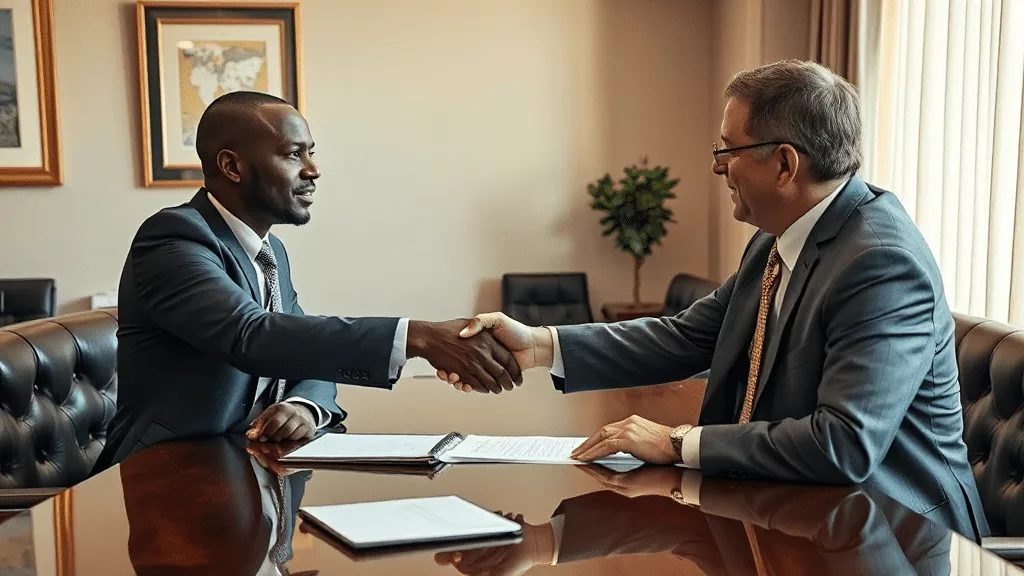
Speaking at the Kenyatta International Convention Centre in Nairobi on June 27, 2026, President William Ruto marked World MSME Day by throwing down a direct challenge to Kenya's commercial banks — do far more to put money in the hands of small business owners across the country.
The President drew attention to a glaring contradiction at the heart of the Kenyan economy: MSMEs contribute 40 percent of total economic output, yet the vast majority of those businesses are effectively locked out of formal financial services. Commercial banks have collectively disbursed roughly KSh1 trillion to the sector over the past three years, a figure Ruto flatly dismissed as "woefully low" given the depth and breadth of demand.
To put a sharper edge on the problem, Ruto named the number: Kenya's small businesses are staring at a KSh3 trillion financing gap — the additional capital the sector needs to genuinely unlock its potential and become a true engine of national growth.
The President was quick to point out that his administration has not been sitting still. Through the Hustler Fund, the government has channelled KSh90 billion to more than 27 million Kenyans since the programme began. Over 8 million Kenyans have also been cleared from credit blacklists, and 2 million of them have since rebuilt their credit profiles well enough to rejoin the formal economy. Alongside these measures, the government launched a Revised MSMEs Policy 2026, intended to reshape the regulatory environment in favour of small traders.
Ruto pressed the financial sector with a question that cut to the chase: how can Kenya pursue meaningful economic growth while the majority of its citizens have no real access to the banking system? Financial exclusion, he argued, is not merely a welfare concern — it is a structural drag on the country's ability to develop.
For a model of what is possible, the President pointed beyond Kenya's borders to Bangladesh's Grameen Bank. Over five decades, Grameen has extended more than $37 billion in interest-free loans to borrowers that mainstream lenders would have turned away without a second glance. The lesson, in Ruto's own words, was blunt: "The unbanked are not a risk to be kept at arm's length."
With small businesses underpinning so much of Kenya's economic activity, the President's remarks at KICC signal intensifying government pressure on the financial sector to revisit its risk assumptions and extend meaningful credit access to a far broader share of the population.