Mombasa SEZ Expansion Draws Ksh 6 Billion Investment from UAE Firms
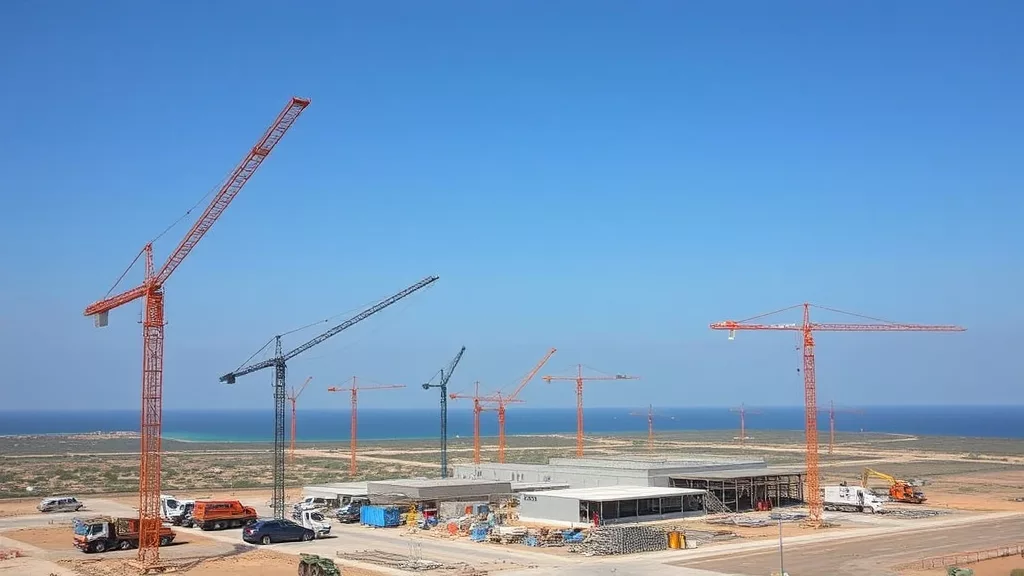
The Mombasa Special Economic Zone has secured its largest-ever single-round foreign investment commitment, with two United Arab Emirates conglomerates signing agreements in June worth a combined Ksh 6.02 billion for manufacturing and cold-chain logistics facilities that authorities say will create more than 4,400 direct jobs over five years.
The agreements were formalised during a bilateral investment forum in Abu Dhabi attended by Cabinet Secretary for Investments, Trade and Industry Salim Mvurya, and mark a significant acceleration in the deepening economic relationship between Kenya and the Gulf states that President William Ruto's administration has cultivated since 2022.
What the Investors Are Building
The larger commitment — Ksh 3.9 billion — comes from Dubai-based Emaar Industrial Group, which will construct a light manufacturing campus spanning 47 acres within the SEZ perimeter. The facility is designed to produce consumer electronics assemblies, automotive components, and processed food products for the East African market. Emaar has indicated it will source at least 40 per cent of its workforce locally, with a preference for residents of Mombasa and Kilifi counties.
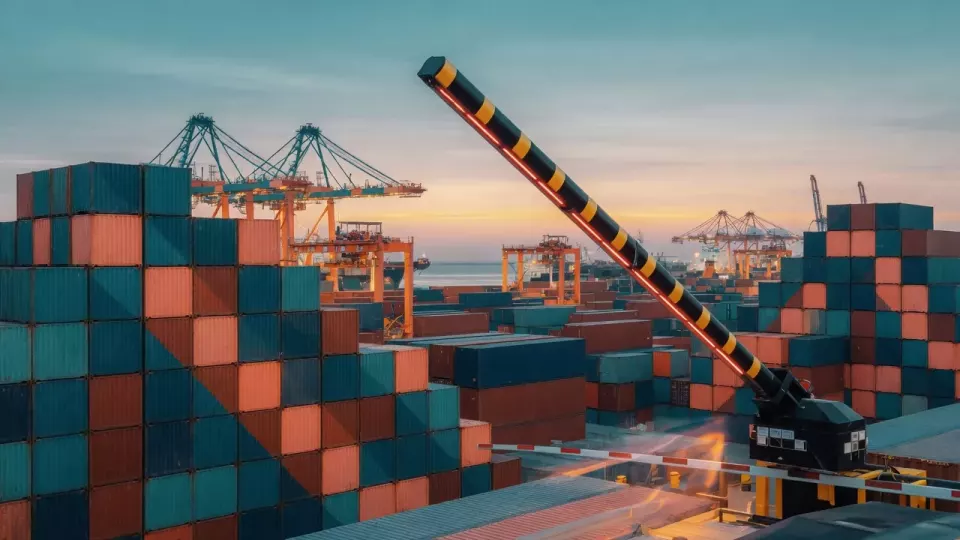
The second commitment, totalling Ksh 2.1 billion, is from Abu Dhabi logistics operator Gulf Meridian Cargo, which will build a refrigerated warehousing and transhipment hub at the SEZ's port-interface zone. The facility is designed to handle 280,000 metric tonnes of temperature-sensitive cargo annually, serving not only Kenya's export horticulture sector but functioning as a regional cold-chain node for Uganda, Rwanda, and the Democratic Republic of Congo.
"This is exactly the kind of anchor investment a special economic zone needs to catalyse a cluster," said Kenya Export Zones Authority (KEEZA) Chief Executive Officer Francis Owino at the Nairobi signing ceremony. "When a serious logistics operator locates here, it de-risks the decision for manufacturers who depend on cold-chain infrastructure."
Mombasa SEZ's Chequered History
The Mombasa SEZ, gazetted in 2019, has had a slower start than its promoters originally envisaged. Early delays in infrastructure development, prolonged uncertainty over incentive structures, and competition from Djibouti's Doraleh Multi-Purpose Port restrained investor appetite in the zone's first years. A comprehensive review conducted in 2023 led to amendments in the SEZ Act that strengthened dispute resolution mechanisms and extended the corporate tax holiday period from ten to fifteen years.
Those reforms appear to be bearing fruit. The zone now hosts 23 licensed enterprises, up from nine in 2022, with total committed investment across all tenants reaching Ksh 21 billion. The UAE deals announced this month alone represent 28 per cent of that cumulative total.
Mombasa Governor Abdulswamad Nassir, who has lobbied consistently for greater national government investment in the county's economic infrastructure, welcomed the announcement but urged the Treasury to accelerate road and power upgrades around the SEZ perimeter. "Investors sign agreements; they will build when the road to the zone is not a liability," he said at a press conference following the announcement. The Mombasa-Mariakani corridor upgrade, partially financed by the African Development Bank, is scheduled for completion in the first quarter of 2027.
Gulf Capital and Kenya's Strategic Posture
The Mombasa SEZ deals are the latest chapter in a Gulf-Kenya investment relationship that has grown markedly since Ruto's administration prioritised diplomatic engagement with Abu Dhabi and Riyadh. Total UAE foreign direct investment in Kenya reached Ksh 94 billion between 2023 and mid-2026, spanning real estate, infrastructure, hospitality, and now industrial manufacturing.
Critics of the Gulf investment push have raised questions about labour standards and the degree to which profits are repatriated rather than reinvested domestically. A parliamentary committee on trade and investment last year recommended mandatory local content thresholds in SEZ licences, a proposal the government has adopted in principle but not yet enacted in regulation.
Officials at KEEZA are conscious of the political scrutiny but argue that the employment creation argument is robust. At a time when Kenya's youth unemployment rate sits above 35 per cent and the post-Gen Z protest moment has sharpened political expectations around economic delivery, the prospect of 4,400 direct manufacturing jobs in a coastal county that has historically felt economically marginalised carries weight beyond the balance-of-payments statistics.
Construction on both facilities is expected to begin in the fourth quarter of 2026, with first operations projected for late 2028.