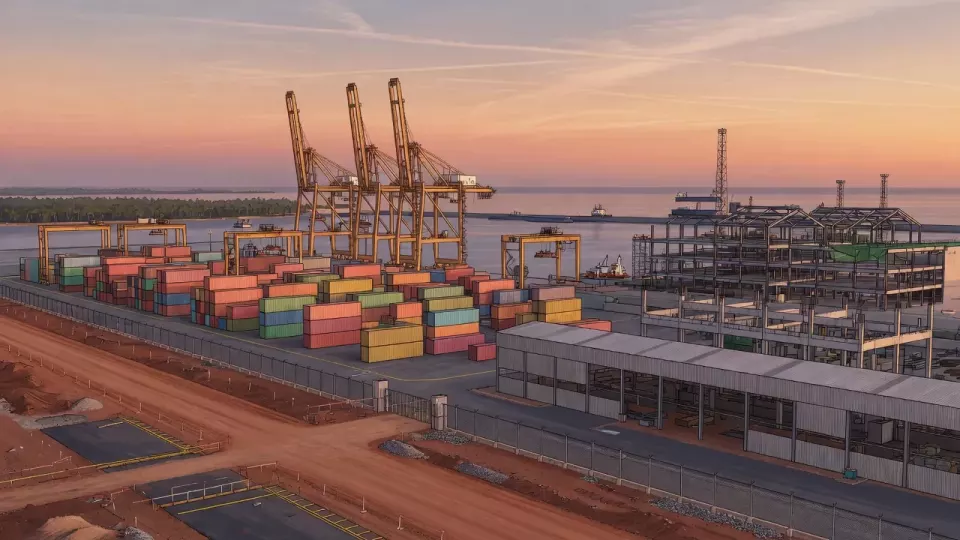
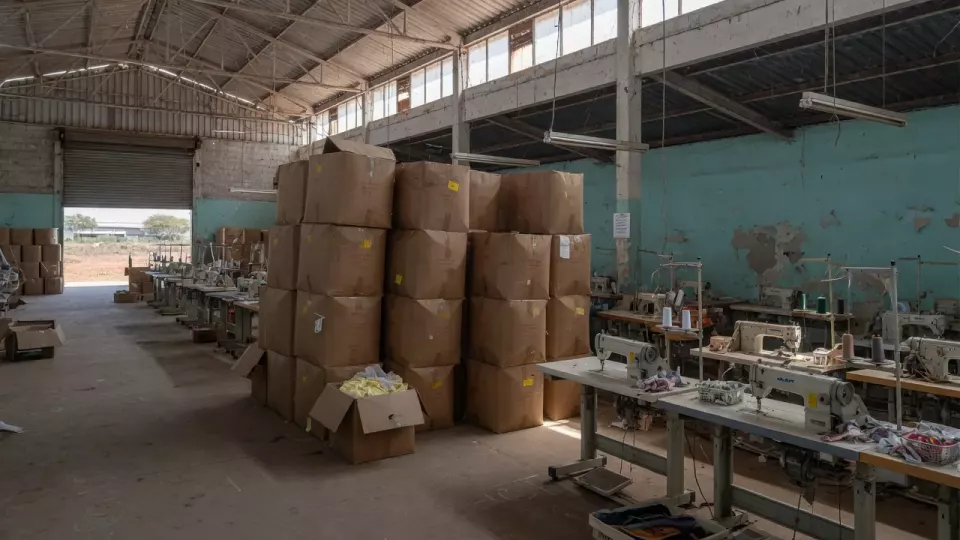
Kenya's Printing and Packaging Industry Expands with Sh3.2bn Plant in Thika
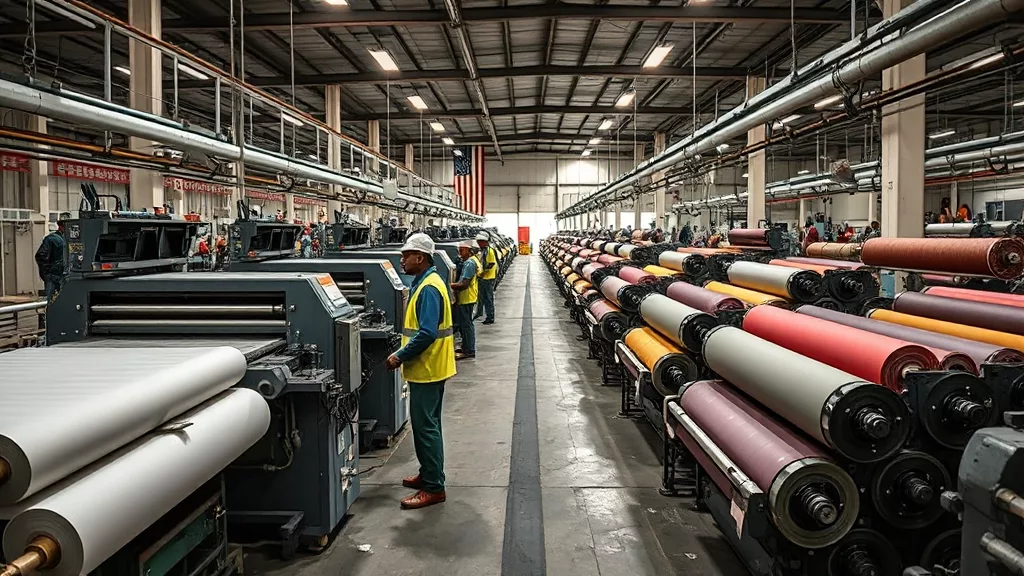
Kenya's printing and packaging industry is set for a step change in capacity with the announcement of a Ksh 3.2 billion flexible packaging and commercial printing facility in Thika's industrial zone, the sector's single largest capital investment in the country's history and one that its backers say will reduce East Africa's dependence on imported packaging from South Africa, India, and China.
The plant, which will be operated by Pan Africa Packaging Industries Limited (PAPIL) — a consortium led by Kenyan investors with participation from a Mauritius-based private equity firm and two FMCG multinationals as anchor off-take partners — broke ground in Thika's Industrial Area on June 18. It is scheduled to reach first commercial production in the third quarter of 2027.
Why Thika, and Why Now
The location in Thika is not accidental. The town 45 kilometres north of Nairobi has been Kenya's pre-eminent light industrial corridor since the colonial era, and its existing ecosystem of food processing companies, textile manufacturers, and consumer goods producers creates a natural customer base for a packaging supplier looking to minimise logistics costs.
PAPIL Chief Executive Officer Rebecca Mutinda said the feasibility analysis had been compelling on multiple fronts. "Every major FMCG company operating in East Africa is currently importing a significant proportion of its flexible packaging — sachets, pouches, laminated films — from outside the region," she told ZaKenya.com. "The unit economics of that model are being squeezed by shipping costs and lead times. We are solving a problem that every cereal company, every soap manufacturer, every beverage packer has been experiencing for a decade."
The timing also reflects sector tailwinds. Kenya's domestic consumer goods market continues to expand, driven by population growth and increasing urbanisation. The EAC's progressive removal of non-tariff barriers has created a regional market of over 300 million people that a Thika-based packer can serve more cost-effectively than an Asian supplier can. And Kenya Revenue Authority enforcement on transfer pricing — which has historically allowed multinationals to over-price imported packaging from related parties — is making local sourcing comparatively more attractive from a tax-efficiency perspective.
Technology and Capacity
The Thika plant will house six flexographic printing lines capable of producing up to 18,000 metric tonnes of printed flexible packaging annually, alongside a digital printing suite for short-run and customised packaging. The facility will also incorporate an in-house solvent recovery system and a water-based inks laboratory — environmental compliance features that are increasingly demanded by multinational FMCG clients operating under global sustainability commitments.
The investment in digital printing capacity is particularly significant. Kenya's advertising and FMCG sectors have seen rapid growth in demand for small-batch, highly customised packaging — seasonal promotional packs, regional product variants, localised language packaging for the EAC market — that conventional high-volume flexographic printing cannot economically serve. PAPIL has partnered with a German digital printing technology supplier for the installation and maintenance of this capacity.
At full operation, the plant is projected to employ 620 people directly, with a further 1,400 indirect jobs estimated in the supply chain — paper merchants, ink distributors, transport operators, and engineering services. PAPIL has signed a memorandum of understanding with the Thika Technical Training Institute to develop a packaging technician apprenticeship programme that will supply trained operators to the facility and to the broader industry.
A Sector Finding Its Footing
Kenya's printing and packaging industry has historically been characterised by fragmentation — numerous small commercial printers serving local markets with aging equipment — rather than the scale operations that regional export ambitions require. The Kenya Association of Manufacturers (KAM) has identified packaging as a priority sub-sector for industrialisation in its 2025-2030 Manufacturing Agenda, noting that packaging is a prerequisite for value addition across the entire food processing value chain.
KAM Chief Executive Officer Mucai Kunyiha said the PAPIL investment demonstrated that domestic capital was available for large-scale manufacturing when the policy environment was supportive. "The remaining barrier is energy cost," he added. "Industrial electricity tariffs in Kenya are still high relative to competing manufacturing locations in Ethiopia and Egypt. If the government can credibly address that, we will see more investments of this size."
Kenya Power has separately announced a Large Power User tariff review expected in August 2026, which could reduce unit costs for manufacturers consuming above one megawatt of power. If approved, PAPIL says the tariff revision would improve the plant's projected return on investment by approximately 1.8 percentage points — a meaningful difference over a long-dated industrial asset.