Nairobi Jazz Festival 2026 Draws 80,000 Attendees Over Three Days
The Nairobi Jazz Festival concluded its 2026 edition at Uhuru Gardens last weekend having drawn a record 80,000 attendees across three days of performances that ranged from contemporary American jazz to Congolese rumba, Ethiopian azmari fusion, and homegrown Kenyan benga-jazz crossover — cementing the event's status as the premier live music festival in East and Central Africa.
The attendance figure, confirmed by festival organisers Herbal Music Kenya on Monday, represents a 23 per cent increase over the 65,000 who attended the 2024 edition — the previous record — and comfortably exceeds the 75,000 target that the festival's backers had set at the start of the year. The event sold out its Ksh 3,500 three-day passes within 48 hours of going on sale in March, with single-day tickets for the Saturday headliner programme selling out within six hours.
The Performances: World Class Meets Nairobi's Own
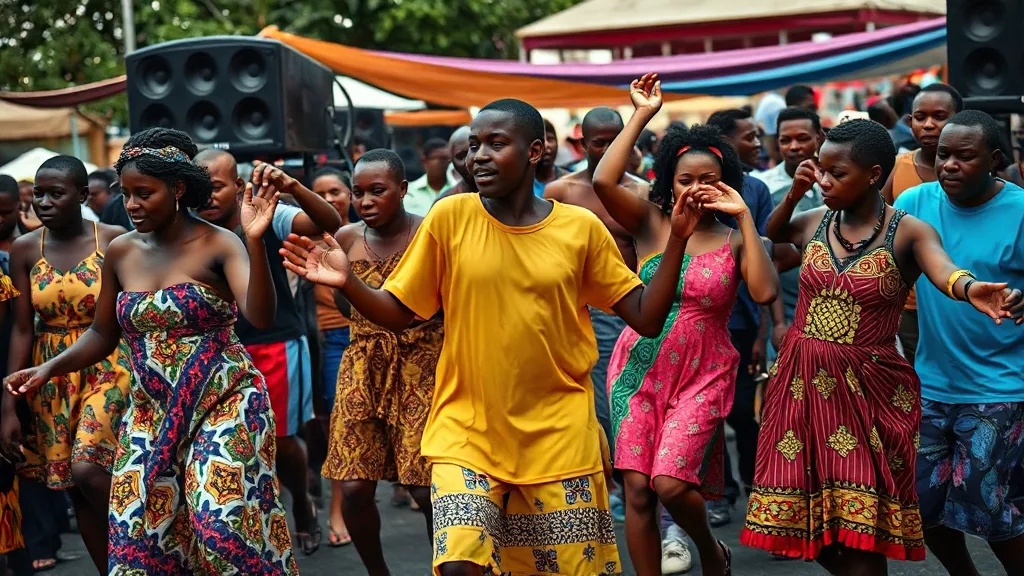
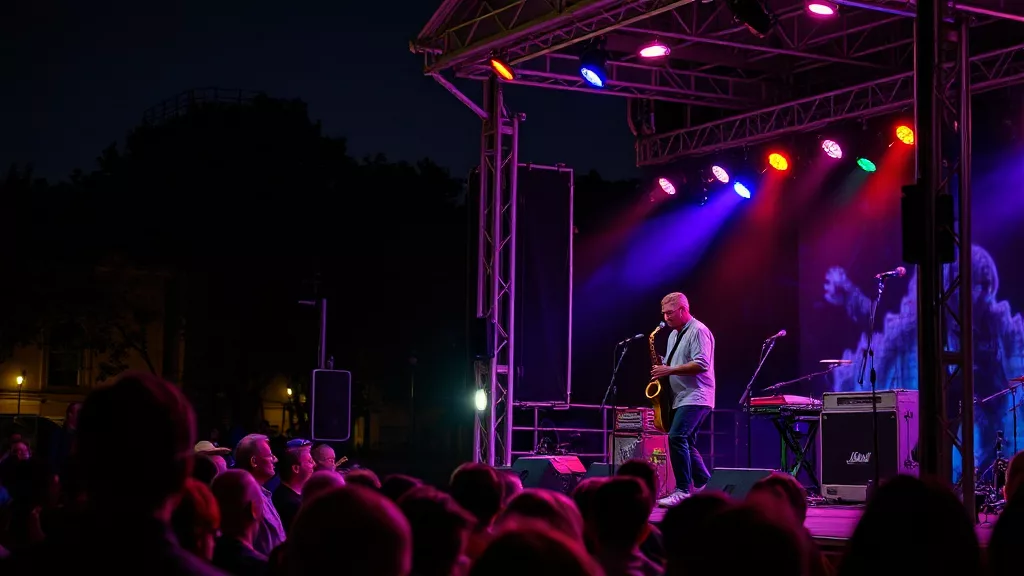
This year's headlining international acts included US saxophonist Kamasi Washington, whose extended set on Friday evening has already generated extensive social media discussion for its intensity and the rapport he built with what he described from the stage as "the most alive festival audience I have ever played for." South African pianist Nduduzo Makhathini anchored the Saturday afternoon programme, followed by Mali's Fatoumata Diawara in a performance that drew the largest single-set crowd of the weekend. Cuban ensemble Chucho Valdés & Afro-Cuban Messengers closed Saturday with a two-hour set that had the front third of the audience dancing continuously for the final 45 minutes.
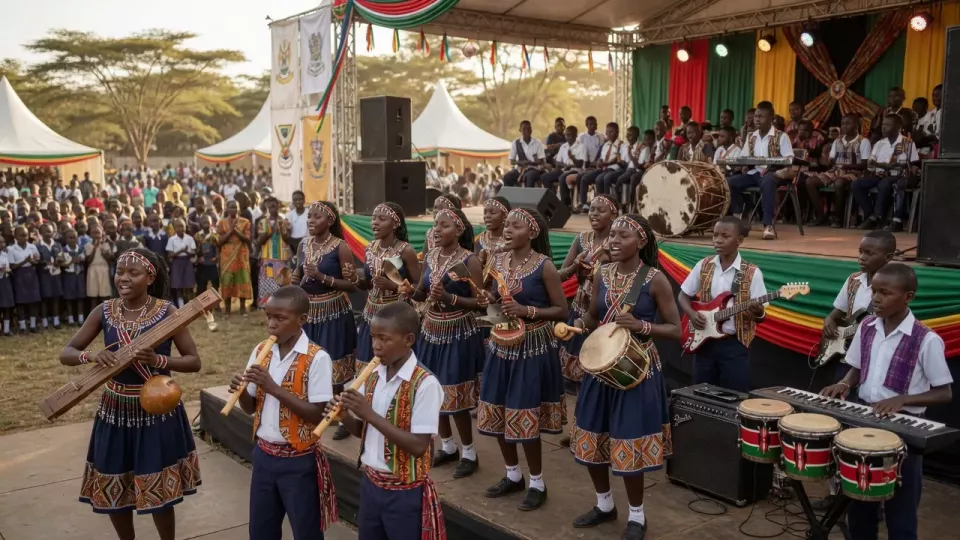
But for many attendees, the most memorable performances of the weekend were homegrown. The Nairobi Horns Project, who opened the festival on Friday morning to an audience of perhaps 3,000 early arrivals, had grown to a crowd of over 12,000 by the end of their 70-minute set — a word-of-mouth surge that veterans of Nairobi's live music scene described as unprecedented. Afro-jazz vocalist Asha Bhosle Ochieng, performing under her stage name Simply Asha, debuted new material from her forthcoming album Mtoni wa Moyoni to a rapturous response.
Economic Impact and Cultural Significance
The festival's economic footprint extended well beyond ticket sales. Nairobi County's Culture and Events Office estimated that the three-day event generated approximately Ksh 2.8 billion in direct economic activity, accounting for hotel bookings, restaurant spending, transport, and retail sales in the Langata and Kibera neighbourhoods surrounding Uhuru Gardens. Visitors from Uganda, Tanzania, Rwanda, and Ethiopia accounted for a notable share of premium ticket buyers, highlighting the festival's growing role as a driver of cultural tourism in the EAC region.
For Kenya's creative economy advocates, the figures carry significance beyond the commercial: they represent a counter-narrative to the austerity discourse that has dominated public conversation since Kenya's IMF programme was confirmed in 2024. "When 80,000 people spend their weekends at Uhuru Gardens listening to jazz, that is an economic sector the government should be nurturing with the same seriousness it applies to tea and tourism," said festival co-founder Muthoni Drummer Queen, whose vision for Nairobi as a serious live music capital has been the driving force behind the event since its inaugural edition in 2012.
Organisation and Infrastructure
The 2026 edition also saw improvements in logistics that addressed complaints from previous years. The introduction of a cashless payment system — run exclusively through M-Pesa's tap-to-pay infrastructure — significantly reduced queuing at food and merchandise vendors. A dedicated shuttle service from Nairobi CBD, Westlands, and Eastlands reduced private vehicle congestion, with an estimated 18,000 festival-goers using the shuttle option. Medical teams from the Kenya Red Cross and the newly operational SHA (Social Health Authority) rapid-response unit were stationed across the venue, and festival organisers reported zero medical emergencies requiring hospitalisation over the three-day run.
Planning for the 2027 edition is already under way, with festival organisers and the Nairobi County Government in discussions about whether to expand to a four-day format and add a second stage to accommodate demand that this year's venue configuration could not meet. An application has also been submitted to UNESCO's Creative Cities of Music network, which organisers hope will further elevate Nairobi's international profile as a music destination.