Lupita Nyong'o Returns to Kenya, Inspires Young Filmmakers at Nairobi Workshop
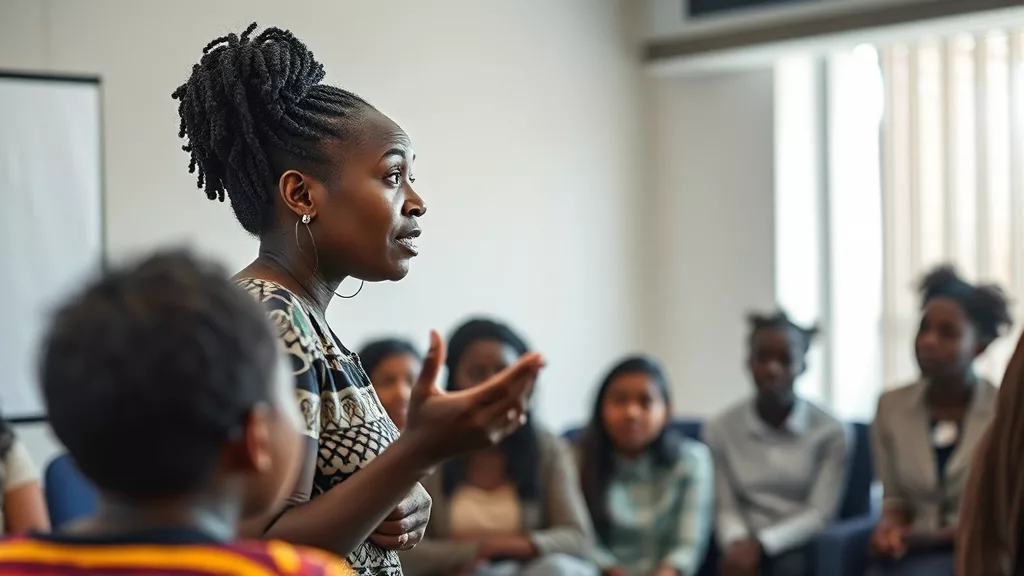
She arrived without the fanfare one might expect of an Oscar winner, slipping into the Nairobi Film School's converted warehouse space in the Industrial Area on a Tuesday morning, carrying a cardboard cup of chai from a roadside kiosk. For Lupita Nyong'o, Kenya's most globally celebrated actress, the low-key entrance was entirely deliberate. "I am not here as a celebrity," she told the 35 selected participants gathered in the room. "I am here as someone who learned to tell stories, and who wants to understand what stories you need to tell."
The five-day intensive workshop, which ran from 30 June to 4 July, was convened by the Kenya Film Commission in partnership with Nyong'o's New York-based production company, Mvua Films. Participants — selected from more than 1,200 applicants through a competitive process — included directors, screenwriters, cinematographers, and producers aged between 19 and 31, drawn from across the country including from Kisumu, Mombasa, Garissa, and Nakuru.
Craft, Commerce, and Courage
The curriculum was structured around three pillars that Nyong'o described as the non-negotiables of a sustainable filmmaking career: craft, commerce, and courage. Morning sessions focused on practical storytelling — script analysis, casting instinct, working with non-professional actors — while afternoons were given over to the business of film: co-production agreements, festival strategy, international distribution, and the increasingly vital world of streaming platform commissioning.
Netflix Africa's head of original content, who joined via video call on day three, confirmed that the platform has a standing brief to commission at least eight Kenyan original productions per year through 2028 but has struggled to find projects with production-ready documentation. "The talent is absolutely here," she told participants. "What we need are completed financing plans, chain of title documentation, and estimated delivery schedules. These are learnable skills, and that gap is closeable."
Nyong'o herself led sessions on courage — the willingness to make films about subjects that are locally specific, culturally honest, and commercially uncertain. She was candid about her own career choices. "When I did 'Us' with Jordan Peele, people told me horror was not for me. When I pushed to make certain projects with African settings, I was told there was no market. I made those choices anyway," she said. "Your instincts about your own stories are your most valuable asset. Do not let anyone price them out of you."
Structural Gaps and Government Commitments
The workshop also served as a forum for frank conversations about the structural challenges facing Kenyan cinema. Participants raised the cost and availability of professional-grade equipment, the absence of a functioning film tax rebate scheme, weak intellectual property enforcement, and the lack of a domestic theatrical distribution network capable of supporting locally produced feature films.
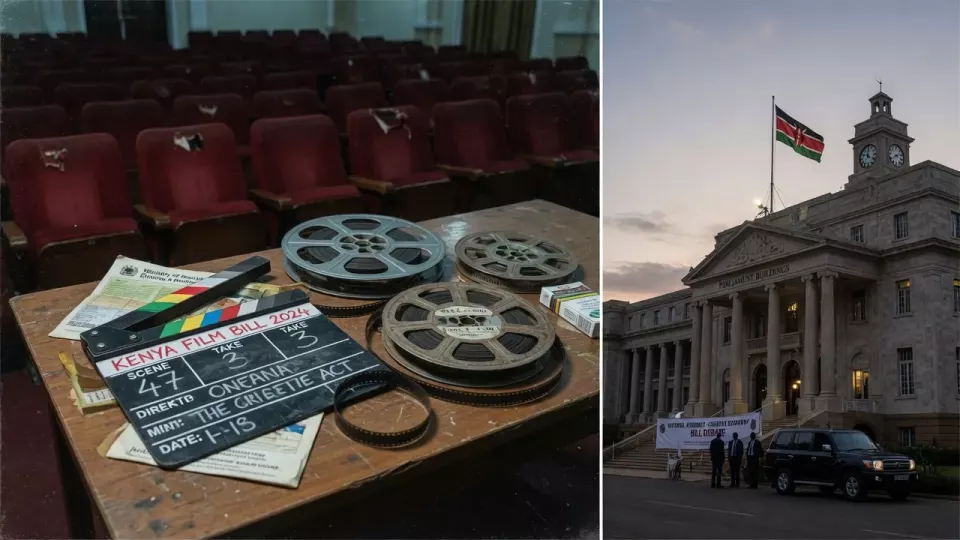
Kenya Film Commission CEO Timothy Owase, who attended two days of the workshop, acknowledged the gaps and referenced commitments made in President Ruto's 2026 State of the Nation address to establish a Kenya Film Fund with an initial capitalisation of Ksh 500 million. "We are targeting legislation by the end of this financial year," Owase said. "We recognise that we have been promising infrastructure for too long. The time for delivery is now."
Nyong'o announced at the close of the workshop that Mvua Films would partner with the Kenya Film Commission to provide five fully funded post-production attachments per year, placing Kenyan editors, sound designers, and colourists in professional facilities in Nairobi and Johannesburg for six-month placements. She also committed to executive producing one feature film by a Kenyan director within the next 24 months. "I left Kenya to find a film education," she said in her closing remarks. "I want the next generation to be able to get that education without leaving." The room gave her a standing ovation that lasted, by several accounts, a full two minutes.