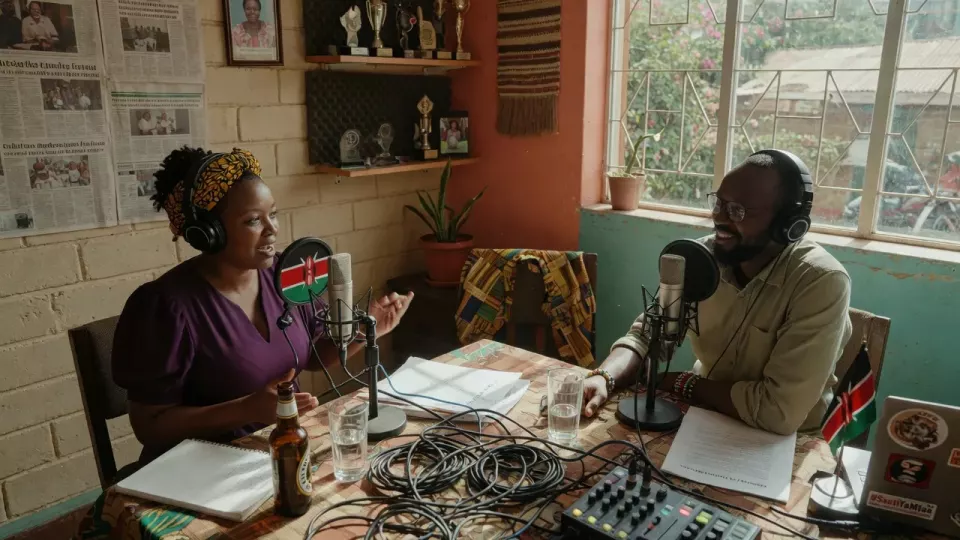
Kenya's Comedy Scene Explodes Online as YouTube Stars Draw Millions of Views
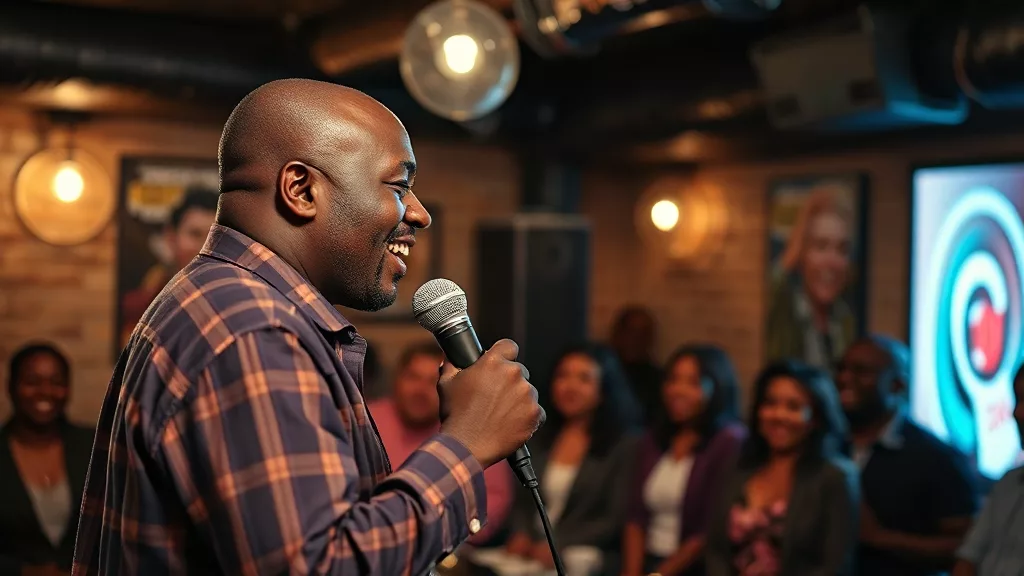
Kenya's online comedy scene has entered a phase of explosive growth in 2026 that industry observers are describing as a structural shift in the country's entertainment landscape — one that is transferring audience power, advertising revenue, and cultural influence from traditional broadcast media to a new generation of digital-native creators who are reaching millions of Kenyans on YouTube, TikTok, and Instagram without a television studio, a production budget, or a network gatekeeper in sight.
The numbers tell a striking story. Kenya now has 17 YouTube channels focused primarily on comedy or comedy-adjacent content — sketch, satire, reaction, and lifestyle — that have each surpassed one million subscribers. The top five among them collectively registered 340 million views in the first quarter of 2026 alone. The leading channel, Nairobi-based sketch collective Churchill Show Online — an independent digital spin-off from the long-running NTV programme — crossed 3.2 million subscribers in April, making it one of the ten most-subscribed YouTube channels in all of sub-Saharan Africa.
The Creators Driving the Wave
Several individual creators have emerged as cultural figures in their own right. Makena Njeri, who performs as "Makena Goes Viral" and whose weekly sketch series satirising Nairobi's middle-class aspirations has drawn comparisons to the early work of US creator Issa Rae, now employs a production team of 11 people and commands brand partnership fees that her management says begin at Ksh 800,000 per integrated video. Her April sketch lampooning the contradictions of the SHA health insurance rollout — a bureaucratic nightmare rendered as a medical drama — received 4.7 million views in its first two weeks.
Felix Odhiambo, better known as "Otieno wa Digital" — whose character work around a village elder navigating smartphones, M-Pesa, and 5G with bewildered dignity has made him the most-shared Kenyan comedian on WhatsApp — has leveraged his platform into a merchandise operation, a podcast, and a live touring show that sold out Nairobi's Carnivore Grounds for three consecutive nights in March. His monthly YouTube revenue, disclosed in a candid interview with the Business Daily, exceeds that of most senior news anchors at established broadcast networks.
The Business Behind the Laughs
The financial architecture of Kenya's YouTube comedy boom is more sophisticated than it might appear. The most successful creators operate what are effectively small media companies, managing ad revenue, brand deals, merchandise sales, live events, and increasingly, content licensing arrangements with international platforms. Safaricom's marketing department has become one of the sector's biggest spenders, recognising that a 90-second integration in a Kenyan comedy video reaching two million viewers delivers measurably better brand recall than a 30-second television spot.
The Kenya Revenue Authority has also noticed. KRA's digital economy taxation unit, established in 2024, has begun engaging YouTube creators directly — requiring those earning above a monthly threshold to register and remit income tax. The compliance rate among top-tier creators is reported to be higher than sceptics predicted, partly because the creators' own brand transparency makes concealment difficult, and partly because, as one creator told ZaKenya.com with a wry smile, "after everything the Gen Z movement said about accountability, it would look very bad to dodge your taxes."
Challenging Traditional Media
The growth of digital comedy is not occurring in a vacuum — it is actively reshaping Kenya's traditional broadcast landscape. TV ratings for comedy programming have declined on several channels, and at least two major network comedy shows have been cancelled in the past 18 months, with executives privately citing the online competition. Some broadcasters have responded by partnering with digital creators rather than competing with them: Citizen TV's pilot programme of commissioning YouTube-proven comedians to develop broadcast formats has yielded two new shows in 2026.
For young Kenyans — a demographic that has shown through the 2024 protests that it is capable of organising with extraordinary speed and creativity when motivated — the comedy ecosystem serves a function that goes beyond entertainment. In a political and economic environment characterised by austerity, uncertainty about the 2027 elections, and institutional distrust, laughter has become a legitimate form of public commentary. "Comedy is how Kenyans have always told truth to power," said media researcher Dr. Njambi Njoroge of the University of Nairobi's School of Journalism. "The platform has changed. The impulse has not."