Afrobeats Takes Over Nairobi: How Kenya Became the Genre's New East African Home
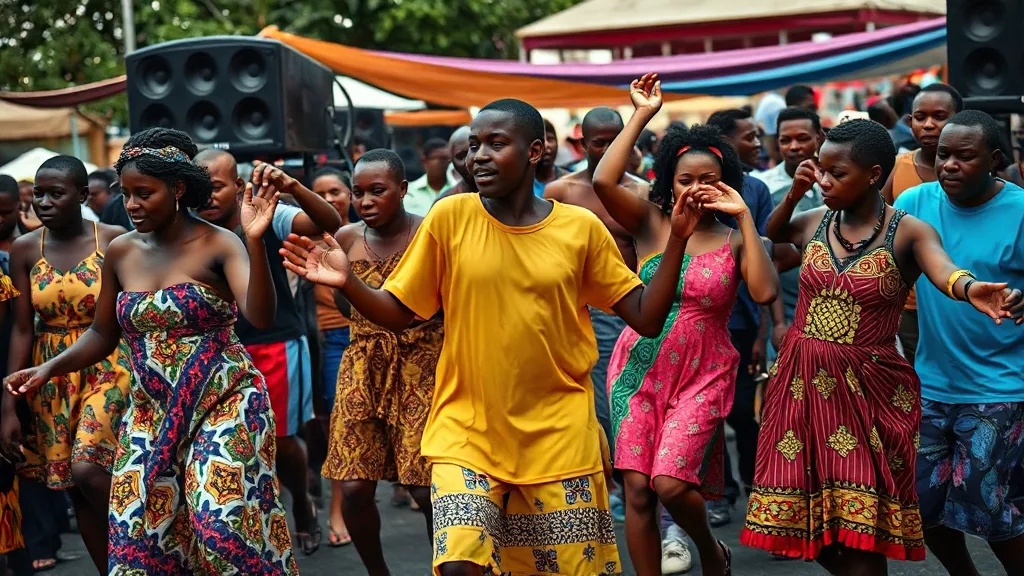
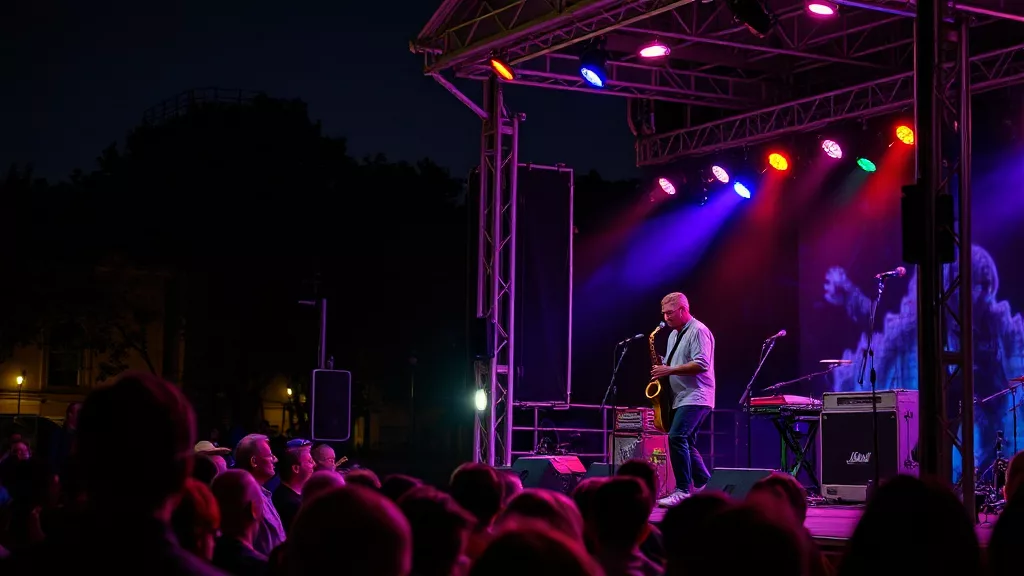
On a humid Friday evening at the newly refurbished Carnivore Grounds in Langata, some 8,000 fans pressed against the barriers as Nairobi-born producer and vocalist Bien commanded the main stage alongside three Nigerian headline acts. The scene — electric, sweaty, and unmistakably Kenyan — would have been unthinkable five years ago, when Afrobeats enthusiasts had to travel to Lagos or Accra to experience the genre at full throttle. Today, the genre has come to them.
Nairobi in mid-2026 has emerged as the undisputed capital of Afrobeats in East Africa, and industry insiders say the transformation is structural, not accidental. A confluence of forces — Gen Z's assertive cultural identity following the 2024 protests, Safaricom's ongoing 5G rollout enabling seamless high-quality streaming, and a generation of formally trained studio producers — has reshaped the city's musical landscape in ways that are drawing global attention and real money.
A New Creative Infrastructure
The numbers tell the story plainly. According to the Kenya Copyright Board's mid-year report released in June 2026, digital music revenue in Kenya grew 38 per cent year-on-year, reaching Ksh 4.2 billion in the first half of the year. Streaming platforms including Boomplay, Audiomack, and Spotify have reported that Nairobi now ranks among their top five African cities by monthly active users, surpassing Cairo and Johannesburg in engagement per capita.
Behind this growth is a quiet but significant infrastructure boom. In the past 18 months, at least a dozen new recording studios have opened in Nairobi's Westlands, Kilimani, and Eastlands neighbourhoods, many of them equipped with internationally certified acoustic treatment and Dolby Atmos mixing capabilities. "We are no longer sending our masters to London or Lagos for mixing," said producer Kevo Kaystar, whose credits include collaborations with Burna Boy's band members. "The talent and the equipment are here. What was missing was confidence, and that has arrived."
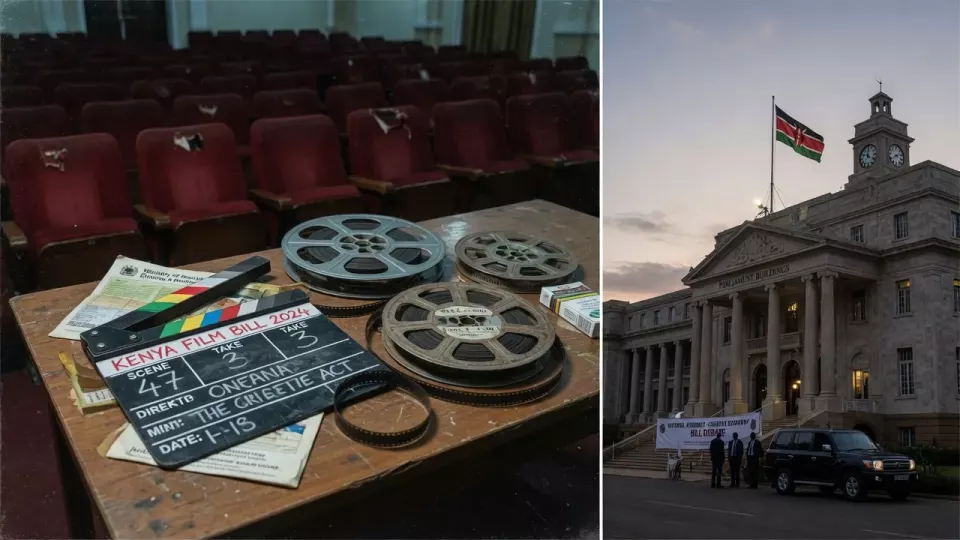
The Kenyan government has taken note. The Creative Economy Bill, currently in its third reading in the National Assembly, proposes a Ksh 2 billion Creative Industries Fund to be administered by the Kenya Film Commission, with a dedicated music production component. Cabinet Secretary for Youth Affairs and Creative Economy Salim Mvurya told Parliament in May that the creative sector now contributes 5.8 per cent of GDP, double the figure recorded in 2020.
The Artists Driving the Movement
At the forefront of the Nairobi Afrobeats surge is a cohort of artists who are consciously fusing the genre's West African rhythmic foundations with Swahili lyricism, Benga guitar lines, and Bongo Flava textures from across the border in Tanzania. Trio Mio, Maandy, and Jovial have each scored pan-African chart placements in 2026, while Wakadinali — whose raw, street-forged sound blurs Afrobeats with genge — performed at the Coachella Valley Music and Arts Festival in April, becoming the first Kenyan act to do so.
International labels have responded. Universal Music Africa signed three Nairobi-based artists to global deals in the first quarter of the year, while Warner Music established a Nairobi A&R office in March, its first on the continent outside of Lagos and Johannesburg. "East Africa has been sleeping on the global stage for too long," said Warner's East Africa director Amina Odera. "Nairobi is the door, and it is wide open."
The Cultural Context
Observers are quick to point out that the boom cannot be separated from the political and social awakening that followed the Gen Z-led protests of 2024. That movement, which drew hundreds of thousands of young Kenyans into the streets to challenge the Finance Bill, also catalysed a broader assertion of Kenyan youth identity. Music became one of its most powerful expressions. "The protest generation is also the artist generation," said Dr Njeri Wanjiku, a cultural studies lecturer at the University of Nairobi. "They are not imitating Nigeria. They are translating Afrobeats into something that is authentically theirs."
With the 2027 general election approaching and youth voter registration at record highs, the intersection of music, identity, and politics in Nairobi will only deepen. For now, however, the city is content to dance.