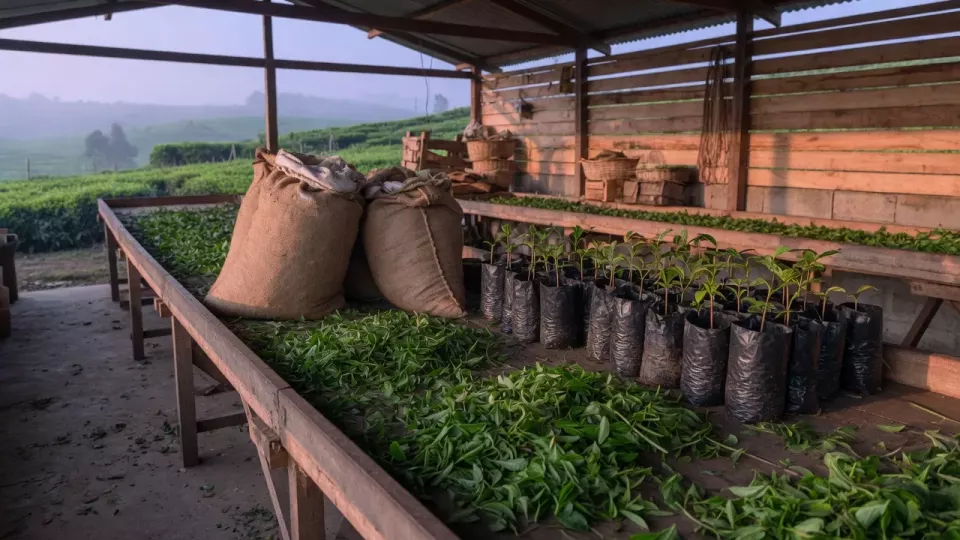
Ruto's Allies Turn Up Heat on Tea Board Levy, Demand Government Back Kenya's Tea Farmers
A group of President William Ruto's close political allies has broken ranks with the Tea Board Of Kenya, publicly demanding that a controversial buyer levy be eliminated in the interest of the country's struggling tea sector. The united front signals growing pressure from within the ruling establishment to address a charge that leaders argue is doing more harm than good to one of Kenya's most important agricultural industries.
At the heart of the dispute is a Sh2.28 per kilogram fee that the Tea Board of Kenya levies on buyers. Senate Majority Leader Aaron Cheruiyot and Embu Governor Cecily Mbarire, who spearheaded the push, contend that the charge is not merely inconvenient — it is actively sending buyers to other markets. The two leaders estimate that this flight of buyers is costing the sector approximately Sh1.2 billion each year, a figure they say cannot be ignored.
The leaders chose a school fundraising event as the platform to deliver their sharpest criticism yet, calling on the government to do away with the levy altogether. Cheruiyot was emphatic, arguing that it was time for those in authority to stand by the tea sector the same way the industry once stood by the nation. "It's time for them to nurture the tea sector," he said, drawing attention to how tea earnings helped cushion Kenya's economy when it faced serious difficulties in earlier years.
The scrutiny of the levy also reached the grassroots level, with MPs drawn from tea-producing constituencies holding meetings directly at factories to listen to the challenges affecting workers and producers on the ground. MP Muchangi Njiru was among the most vocal, arguing that the government should be the one absorbing sector costs rather than passing the burden onto producers through levies. He called specifically for public investment in research and marketing as the more productive path forward.
Cheruiyot went further by pledging to bring the collective concerns of the assembled leaders to the attention of President Ruto directly. He also pointed to the Tea Act 2020 as a law that was crafted with the right intentions — to bring stability to the sector by directing funds toward infrastructure development and research — arguing that the current levy contradicts the purpose the legislation was meant to serve.
The gathering drew an influential mix of stakeholders from across the tea belt. Embu Senator Alexander Mundigi joined his colleagues at the discussions, as did senior leadership from the Kenya Tea Development Agency (KTDA) Group and delegates from major tea factories operating in the region. Together, they delivered a single, consistent message: the government must channel resources into building the sector up, not chip away at its competitiveness through charges that are already proving costly to everyone involved.