Partnerships, Not Problems, Will Fix Africa's Food Security - Experts

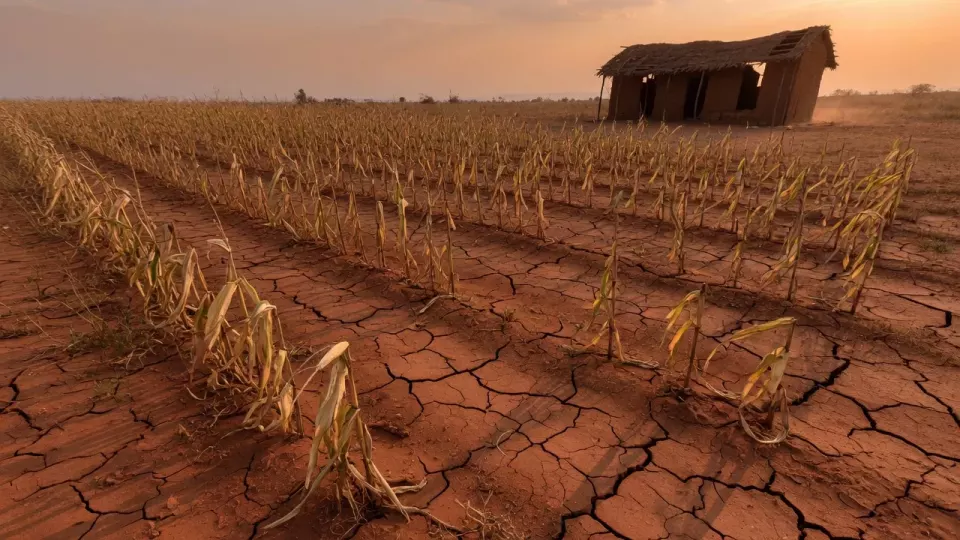
Africa's agricultural systems are under mounting pressure from climate change, persistent soil degradation, and widening food deficits. Yet researchers and agricultural specialists who convened at Kenya's Kalro Scientific Conference carried a markedly different message: the solutions already exist on the continent. The real obstacle, they insist, is getting those solutions to scale.
A side event organised by the Alliance of Bioversity International and CIAT drew particular attention from delegates. The alliance's Africa Managing Director stated plainly that the continent "already has the innovation, talent and partnerships needed to transform its food systems." The gathering's consensus was that the priority must now shift from developing new answers to rapidly deploying the ones already proven in research facilities — and getting them into the hands of smallholder farmers across the region.
Among the most promising innovations on display were newly developed bean varieties engineered to thrive under modern farming pressures. These improved cultivars mature within 65 to 75 days — significantly faster than conventional varieties — and can yield as much as two tonnes per hectare. One standout variety, named "Waithera," combines quicker cooking times with enhanced nutritional content and improved resilience to erratic weather patterns increasingly common across the continent.
The urgency behind this work is not hard to appreciate for Kenyan farmers and consumers alike. The country currently produces roughly 650,000 metric tonnes of beans each year, yet domestic consumption stands at 750,000 metric tonnes — a shortfall that forces Kenya to import beans in substantial quantities. Researchers at the conference argued that wider adoption of high-performing varieties like Waithera could meaningfully narrow this gap while simultaneously boosting the profitability of smallholder farmers through better seed-to-harvest ratios.
Beans are not only a food crop — they are a soil crop too. As legumes, bean plants draw nitrogen from the atmosphere and fix it directly into the soil, naturally reducing farmers' reliance on costly synthetic fertilisers. When incorporated into crop rotation or intercropping systems, they can progressively restore soil fertility, a critical advantage given the widespread land degradation affecting farmland across East Africa and beyond.
Agricultural experts at the conference were careful to note, however, that supply-side gains alone will not complete the transformation. Nutrition specialists argued that consumers must also be brought into the conversation — understanding the nutritional value different foods carry and learning which preparation methods preserve those nutrients rather than destroying them.
The overall message from Kalro was one of cautious optimism. Africa's food security challenge is real and urgent, but the tools, knowledge, and networks to address it are already present. What remains is the collective will — across governments, research institutions, private sector players, and farming communities — to scale them without further delay.