Nairobi Hosts Key Workshop to Bolster Animal Disease Surveillance Across East Africa
Nairobi has taken centre stage as host city for a high-level regional workshop aimed at transforming how African nations detect and manage animal disease outbreaks. Experts from Eastern, Southern, and select West African countries have gathered for the event, which is bankrolled by the European Union as part of the Pan-African Programme for the Eradication of Peste des Petits Ruminants — the highly contagious livestock disease commonly known as PPR.
At the core of the workshop is hands-on training in the Animal Resources Information System, or ARIS — a platform designed to sharpen data collection and analytical skills among livestock and animal health officials across the continent. The sessions are intended to give participants the tools they need to build more robust national animal health databases that can hold up under the pressure of a real disease crisis.
Dr. Mary Mbole-Kariuki, speaking on behalf of the African Union's Interafrican Bureau for Animal Resources (AU-IBAR) leadership, set the tone early. "Good decisions are not based on impressions; they are based on evidence," she said, making the case that governments must move away from guesswork when managing threats to livestock populations.
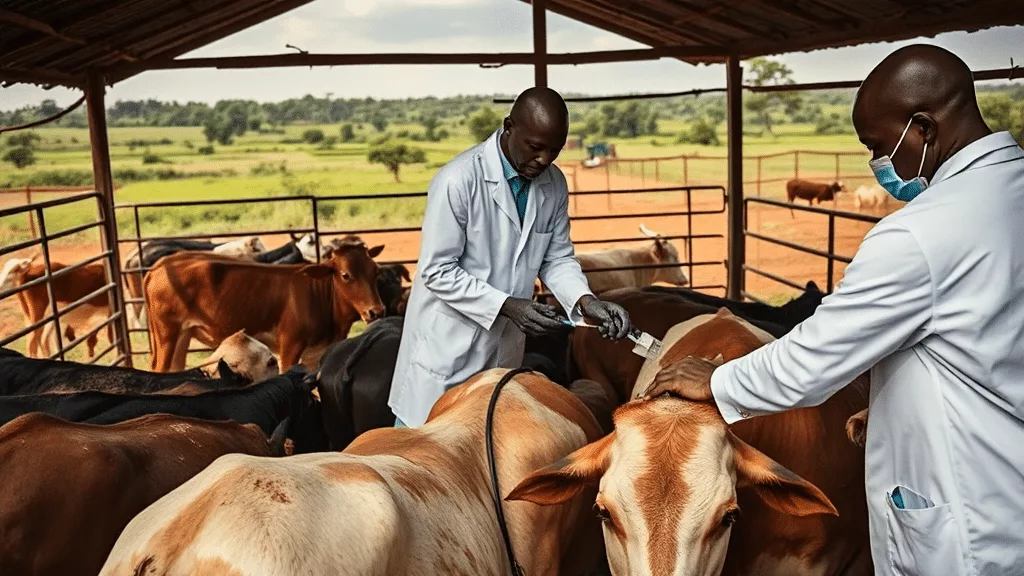
That call for evidence-based governance is not merely procedural. Officials at the workshop stressed that without reliable, timely data, countries across the continent are left fighting blind — unable to pinpoint where outbreaks are occurring, gauge how much of the livestock population has been vaccinated, or channel limited resources where they will do the most good. The stakes are high: food security and livestock productivity remain under persistent threat from diseases including PPR, foot-and-mouth disease, avian influenza, and lumpy skin disease, all of which continue to wreak havoc across Africa.
The World Organisation for Animal Health (WOAH) also added its weight to the discussion. WOAH Director-General Dr. Neo Mapitse emphasised that well-functioning animal health information networks are far more than a domestic concern — they form a cornerstone of global biosecurity and enable the kind of coordinated, cross-border disease response that single nations cannot achieve alone.
By the time the workshop wraps up, participants are expected to head home equipped to reinforce national animal health information systems, sharpen disease reporting protocols, and upgrade surveillance and emergency response mechanisms within their respective countries. For Kenya, which sits at the heart of the East African livestock trade corridor, the practical outcomes of this gathering carry considerable weight.
Nairobi's selection as host city underscores its growing stature as a hub for regional animal health governance — a fitting setting for a forum placing hard data, coordinated action, and evidence-based decision-making at the centre of Africa's ongoing fight against devastating livestock diseases.