Loitokitok Court Arraigns Suspect Caught Smuggling Unregistered Pesticides from Tanzania

A man has been arraigned before the Loitokitok Law Courts on charges of smuggling unregistered pesticides into Kenya from neighbouring Tanzania, in what authorities describe as part of a continuing crackdown on illegal agro-chemical trade along the border region.
The accused was intercepted by officers at the Nkama Police Roadblock while transporting the prohibited chemicals, with the illicit cargo reportedly earmarked for distribution in Kimana and Mashuru. Security agencies have been intensifying surveillance along the Kenya-Tanzania corridor, where unregistered and counterfeit agricultural inputs have become a mounting problem for traders and farmers alike.
When the case was called before the court, the defendant denied the charges levelled against him, entering a plea of not guilty. The magistrate granted him bail on financial terms: he may secure his release by depositing a cash bail of Ksh 300,000, or in the alternative, by furnishing a bond of Ksh 500,000 accompanied by a surety of equivalent value. The matter is set to proceed once those conditions are satisfied.
In the wake of the arrest, the Pest Control Products Board (PCPB) moved promptly to put the broader trading community on notice. The regulatory body stated in no uncertain terms that "Any individual found engaging in such activities will be prosecuted and subjected to the full force of the law," making clear that enforcement would extend well beyond the single suspect already in the dock.
The PCPB further stressed that buying, selling, or trafficking in pest control products that are either unregistered or smuggled into the country constitutes a criminal violation under Kenyan law. Every pesticide traded or applied within Kenya must first complete the board's official registration process, which exists to verify safety, efficacy, and proper labelling before any product reaches the hands of farmers or retailers.
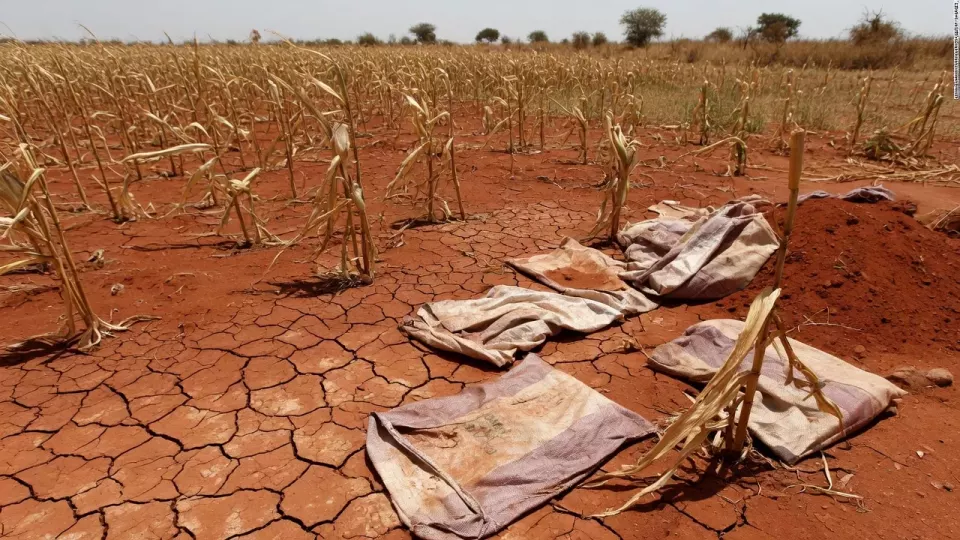
The Loitokitok area straddles the Kenya-Tanzania boundary in the shadow of Mount Kilimanjaro and serves as a busy commercial corridor between the two countries. Farmers across the surrounding Kajiado County depend heavily on pesticides to protect their crops, making the infiltration of unregistered chemicals a serious public health and food safety concern — such products bypass quality checks entirely and may contain substances harmful to people, livestock, and the environment.
Authorities are now calling on farmers, agro-dealers, and stockists throughout the region to purchase pest control products exclusively from licensed and registered suppliers. Any person with information about the illegal trade in pesticides is encouraged to contact the PCPB or the nearest police station so that the matter can be investigated promptly.