Kenya's Dryland Farmers Urged to See Trees as Income, Not Just Environment
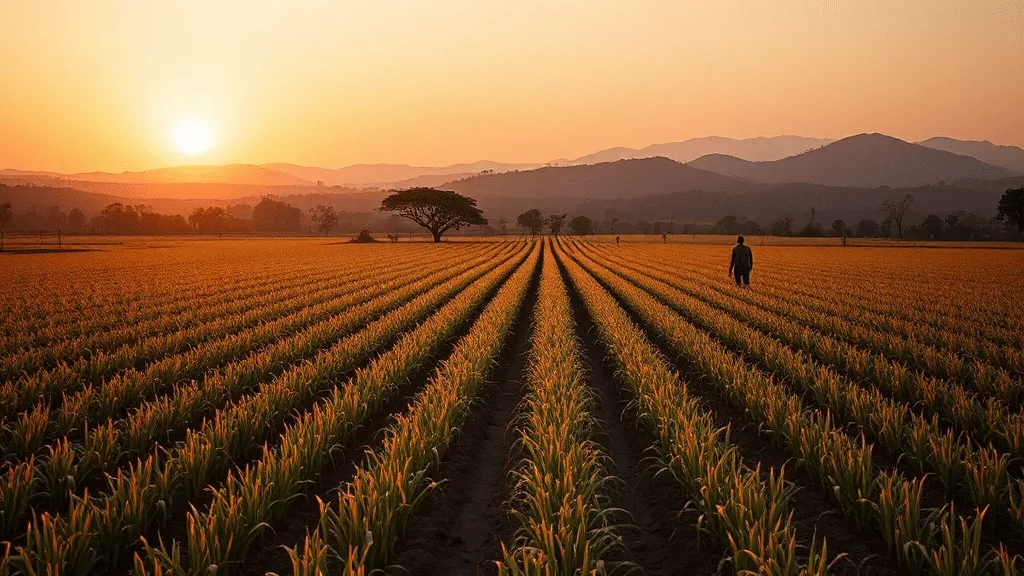
The message going out to farmers in Kenya's dryland counties is direct — trees are not charity, they are capital. A growing movement is reshaping how agroforestry is understood across arid and semi-arid regions, repositioning it as a core pillar of the green economy rather than an environmental afterthought.
At the center of this push is the Acorn programme, run by the Cereals Growers Association (CGA). The initiative currently supports more than 35,000 farmers spread across 12 counties, covering close to 18,000 hectares of land. In just two years, participants have put over 500,000 trees in the ground, backed by a programme nursery holding 1.2 million seedlings ready for distribution.
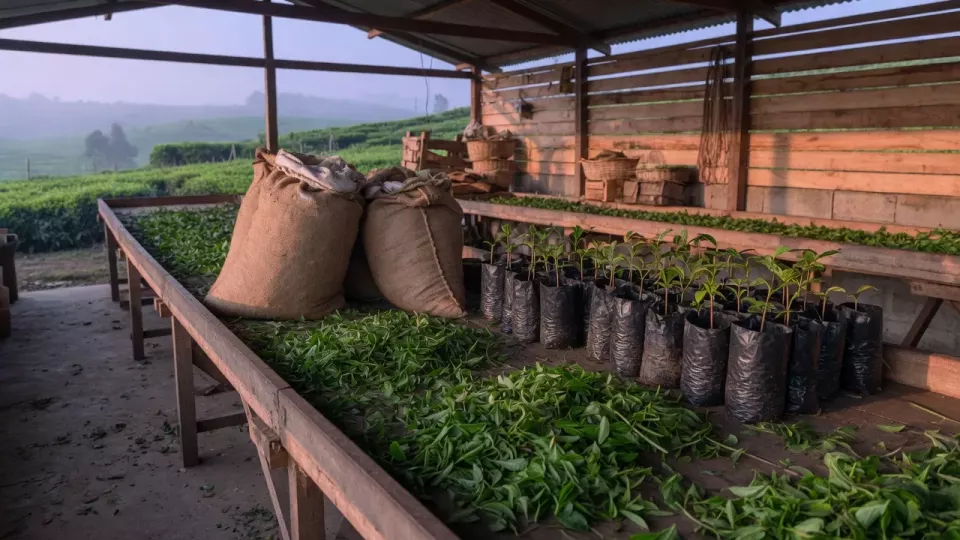
Beyond the raw numbers, trees deliver practical on-farm advantages. They improve soil structure, cut erosion, retain moisture, and create more favorable microclimates for surrounding crops — critical gains in drought-prone areas where one bad season can wipe out a smallholder's income. To help farmers choose the right species for their specific conditions, the JazaMiti digital platform guides planting decisions and improves seedling survival rates. Certified seeds, mulching, and conservation tillage are used alongside tree planting to squeeze maximum productivity from every plot.
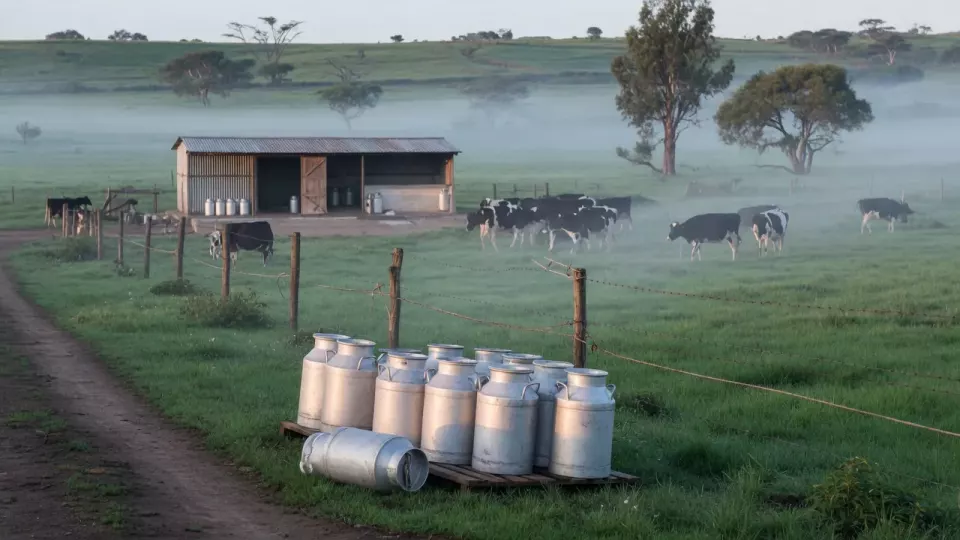
Agroforestry also diversifies what a farm can earn. Fruit trees such as mangoes and lemons produce marketable harvests, while moringa and acacia supply timber and fodder to local markets. Livestock keepers gain a particular advantage from fodder trees including Calliandra and Sesbania — species that can push daily milk output up by one liter per cow, a meaningful boost for pastoral households working on tight margins.
The results are already visible in places like Kitui, where farmer Mitau Nzomo has built a diversified enterprise around 300 mature mango trees, alongside beekeeping, fodder production, and livestock rearing. By timing his harvests for the off-season, Nzomo consistently commands premium farm-gate prices — a strategy that has turned tree planting into steady, reliable income.
CGA estimates that farmers who combine agroforestry with conservation agriculture can improve crop yields by 20 to 25 percent while cutting production costs by as much as 30 percent. Looking further ahead, carbon markets offer yet another income layer, since trees absorb and store carbon that can be monetised as credits. Aggregating enough farmers and verifying carbon stocks remain real hurdles, but the potential for carbon finance to deepen agroforestry's economic case is growing — and Kenya's dryland farmers are being urged not to be left behind.