Kenya Sets Avocado Record at 694,000 MT Despite Export Slump
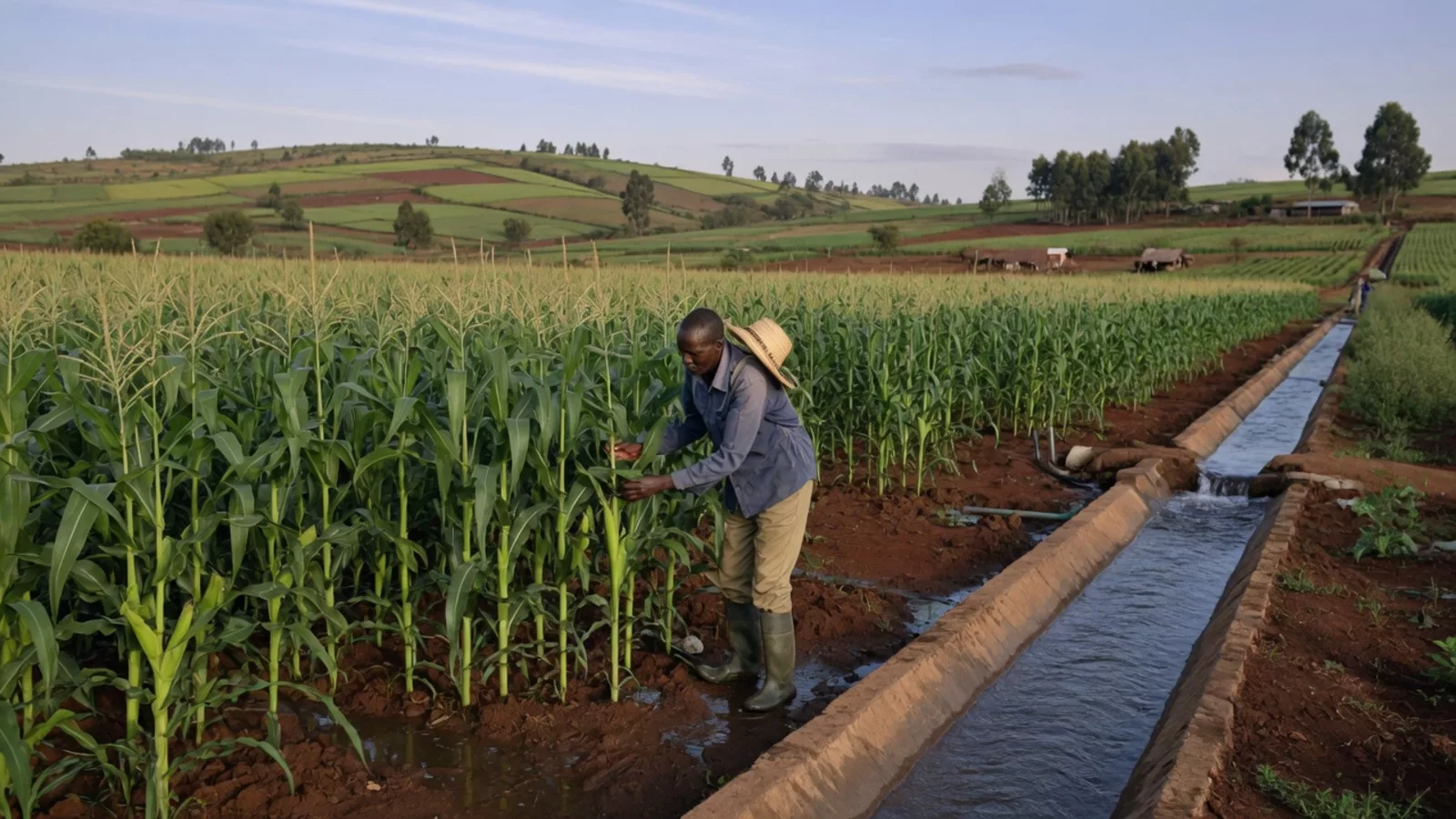
Kenya cemented its status as Africa's leading avocado producer in 2025, recording an unprecedented harvest of 694,000 metric tons — a milestone that underscores the country's growing dominance in one of the world's most sought-after commodities. The bumper harvest, driven by expanded farming across the Rift Valley, Central, and Nyanza regions, positions Kenya ahead of rival producers on the continent and signals the maturation of an industry that has rapidly transformed smallholder livelihoods over the past decade.\n\nDespite the record yield, Kenya's avocado export volumes told a more complicated story. Actual exports fell to 121,000 metric tons in 2025, a significant shortfall from available supply, as two major obstacles converged simultaneously. Red Sea shipping disruptions forced cargo vessels onto longer, more expensive routes around the Cape of Good Hope, raising freight costs and making Kenyan avocados less competitive on price-sensitive European markets. Compounding the logistical strain, the Kenya Agriculture and Food Authority tightened export controls to enforce quality and maturity standards, temporarily restricting volumes from farms that failed to meet certification thresholds.\n\nOne consequence of constrained export channels was a dramatic pivot toward domestic value addition. Avocado oil processing volumes surged from 3,326 metric tons in 2024 to 10,188 metric tons in 2025 — more than a threefold increase in a single year. Processors across Nairobi and Mombasa ramped up capacity to absorb the surplus fruit, supplying both the local market and international buyers seeking premium cold-pressed oil for cosmetic and culinary applications. Industry analysts see this shift as a structural positive, reducing the sector's overdependence on fresh-fruit export windows and creating resilient domestic revenue streams.\n\nKenya's rise as an avocado powerhouse is not accidental. Government programmes under successive agricultural transformation plans have directed investment toward irrigation infrastructure, nursery development, and farmer training across traditional growing counties including Muranga, Kirinyaga, and Kisii. The Hass variety, which commands premium prices in European supermarkets, has progressively displaced older cultivars, and the number of smallholder farmers participating in organised export supply chains has grown steadily. With an estimated 200,000 farming households now deriving significant income from avocados, the crop has become a critical pillar of rural economic resilience across the country.\n\nLooking ahead, industry stakeholders and the government are projecting a strong rebound in 2026. Export revenues are targeted to reach $170 million, buoyed by the opening of new Asian markets — particularly in China, Japan, and South Korea — where demand for fresh avocados and avocado derivatives is accelerating. Diplomatic trade negotiations and bilateral phytosanitary agreements signed in late 2025 are expected to ease market access barriers. If Red Sea shipping lanes stabilise and the Kenya Agriculture and Food Authority's quality programmes succeed in raising farm-level compliance, the country's avocado sector may finally translate its production supremacy into commensurate export earnings, delivering lasting economic gains for the hundreds of thousands of farmers who depend on what many now call Kenya's green gold.