Kenya's Tea Auction Prices Hit 10-Year High as Global Demand Outpaces Supply
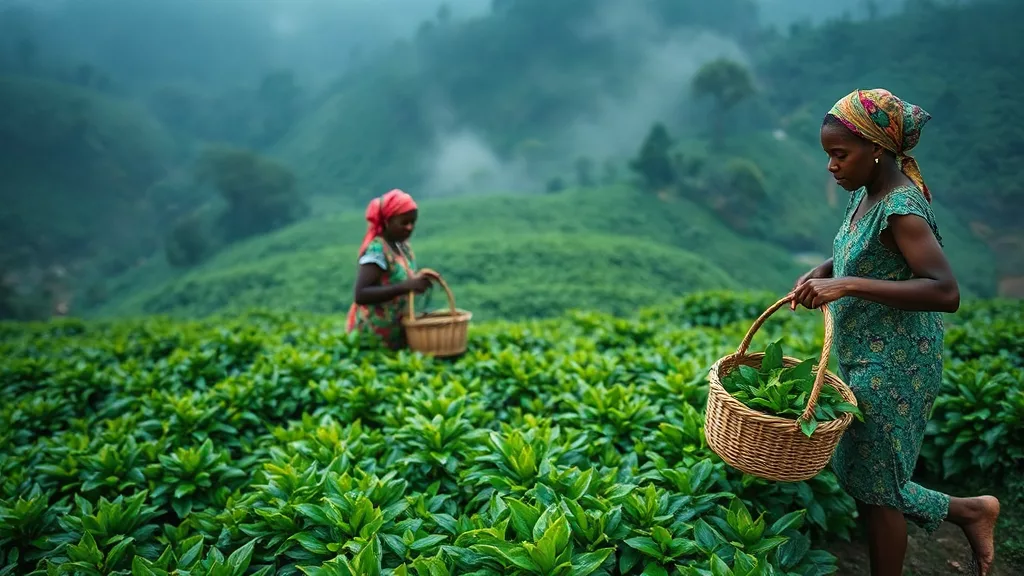
The Mombasa Tea Auction, East Africa's largest commodity exchange, recorded average prices of $3.42 per kilogramme in the week ending 20 June 2026 — the highest weekly average since September 2016 and a 34 per cent premium on the five-year mean. For the more than 600,000 smallholder households whose livelihoods depend on the crop, the surge represents a rare moment of financial relief after three years of cost-of-living pressure driven by IMF-backed austerity and persistent inflation.
What Is Driving the Price Rally
Analysts at the East African Tea Trade Association (EATTA) point to a confluence of supply-side disruptions and structural demand growth. Sri Lanka's output, still recovering from the 2022 economic collapse, remains roughly 12 per cent below its 2019 peak. Drought conditions in Assam, India's primary tea-growing belt, cut first-flush production by an estimated 18 million kilogrammes this season. Meanwhile, Pakistan — Kenya's single largest buyer, absorbing nearly 40 per cent of Mombasa volumes — has seen domestic consumption grow by 6.2 per cent year-on-year as population expansion and urbanisation push tea deeper into the household basket.
Egypt and the United Kingdom have also accelerated purchasing. British blenders, battling post-Brexit supply-chain uncertainty, have extended forward contracts through the first quarter of 2027, locking in Kenyan CTC grades at premiums not seen since the commodity boom of the mid-2010s. "The fundamentals have aligned in our favour for the first time in a decade," said EATTA Director General Kipkoech Mutai at a press briefing in Mombasa last month. "Kenya is the marginal supplier for the global orthodox market, and when competitors falter, our auction benefits immediately."
Farmers and the KTDA Respond
The Kenya Tea Development Agency (KTDA), which manages 54 factories serving approximately 560,000 smallholders across the central highlands and Rift Valley, announced in May that the second payment to farmers for the 2025/26 season would be the highest in a decade. Farmers affiliated to KTDA received an interim payment of Ksh 28 per kilogramme of green leaf in April, with the final bonus expected to push effective earnings above Ksh 35 per kilogramme once factory costs are deducted. That compares with Ksh 22 per kilogramme in the 2023/24 season.
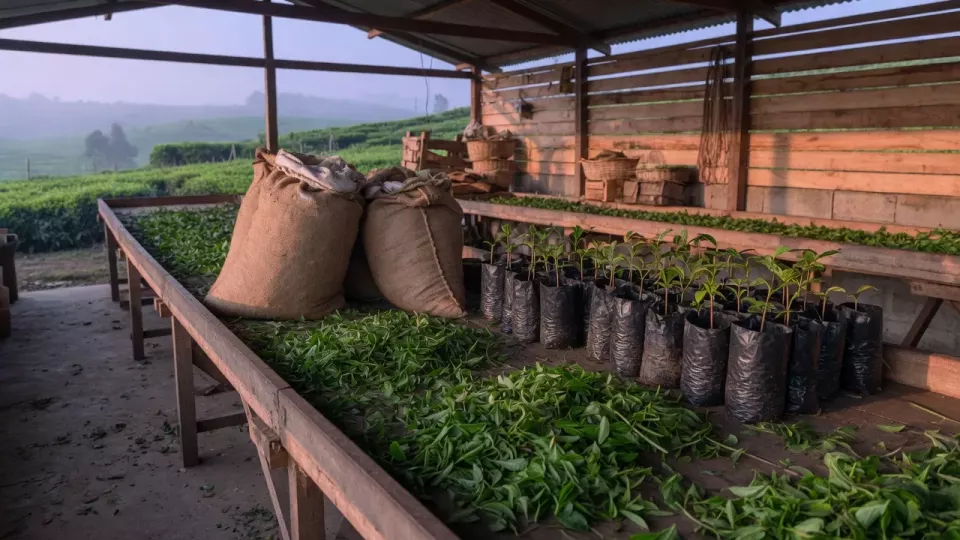
In Kericho County, which alone accounts for roughly a quarter of national tea production, farmers interviewed by ZaKenya.com described renewed confidence. "I had taken a loan to educate my children and I was struggling to repay it," said Grace Chepkoech, a smallholder with two hectares in Litein. "This season I cleared the loan and I still have money to repair my roof." Her experience echoes across the highlands, where the upturn has triggered a noticeable increase in applications for tea nursery seedlings as farmers seek to expand their plots.
Risks on the Horizon
Economists and agronomists caution that the rally may be partly cyclical. Kenya's own production volumes fell 8 per cent in the first quarter of 2026 compared with the same period last year, a consequence of irregular rainfall patterns linked to the El Nino aftermath that disrupted crop calendars across the country. Should the long rains of 2026 translate into a strong harvest in the second half of the year, supply pressure could ease and moderate prices.
There are structural concerns as well. The government's Value Added Tax on tea inputs, introduced under the 2023 Finance Act as part of KRA's broader revenue enforcement drive, continues to inflate operational costs for factories. Industry lobby groups have renewed calls for the Treasury to restore input tax exemptions before the 2027/28 Budget, warning that margins for processors could compress even as farm-gate prices rise. President Ruto's administration, entering its third year in office with one eye on the 2027 general election, has signalled willingness to engage the sector. Agriculture Cabinet Secretary Kavata Mwangangi told the National Assembly's Agriculture Committee in June that a tea-sector policy dialogue was scheduled for August, with pricing reforms, value addition, and market diversification on the agenda.