Kenya Launches $4.6B Irrigation Plan to Transform 400,000 Hectares
Kenya has unveiled an ambitious Sh598 billion ($4.6 billion) National Irrigation Sector Investment Plan, marking one of the most significant shifts in the country's agricultural policy in decades. Announced in March 2025, the plan — formally known as NISIP — charts a ten-year roadmap to bring 400,000 additional hectares under irrigation by 2035, dramatically reducing the nation's deep dependence on unpredictable rainfall and strengthening food security for more than 55 million people.
At the heart of the strategy is a public-private financing model that distributes responsibility across multiple stakeholders. The Kenyan government will directly finance 39 percent of the total cost, with the remaining 61 percent expected to come from private investors, development finance institutions, and bilateral partners. Among the flagship infrastructure projects are six mega dams slated to begin construction in 2026, representing the most ambitious expansion of water-harnessing infrastructure the country has seen in a generation, with dam sites selected specifically to unlock farming potential in regions historically left behind.
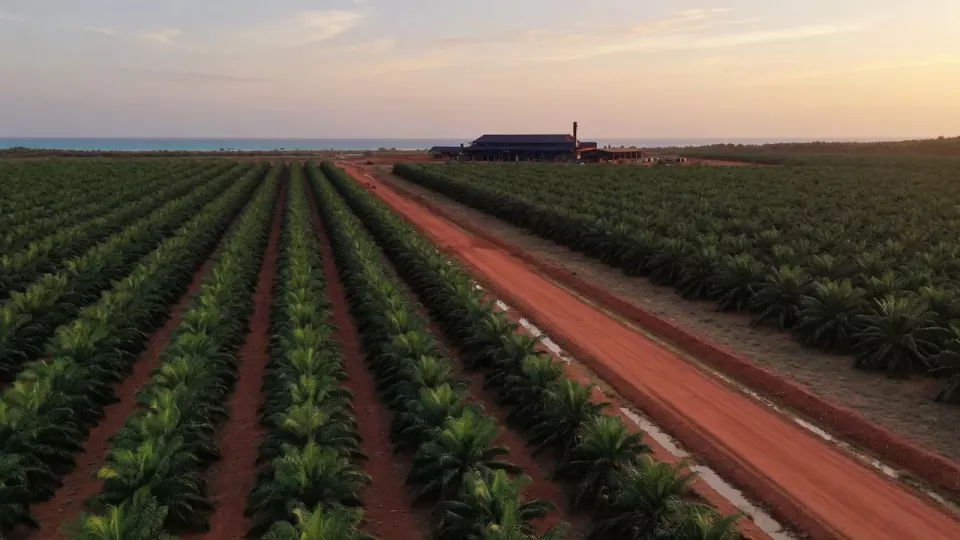
The planned dams span geographically and strategically critical regions of Kenya. The Lowaat Dam in Turkana County targets one of the driest and most food-insecure areas in the country, where chronic drought has long threatened pastoralist and farming livelihoods alike. The Thuci Dam in Embu County is designed to unlock the agricultural potential of the fertile Mt. Kenya region, which already serves as a breadbasket for much of central Kenya. Perhaps the most internationally prominent project is the Galana Kulalu Dam, co-financed by Kenya and the United Arab Emirates, which aims to revive and significantly scale up the long-stalled Galana Kulalu Food Security Project along the Tana River corridor in the Coast region.
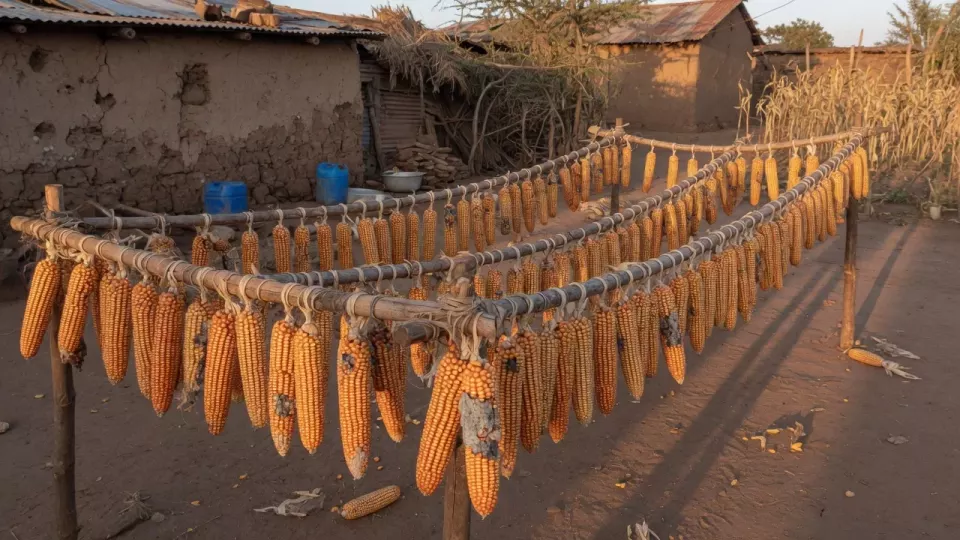
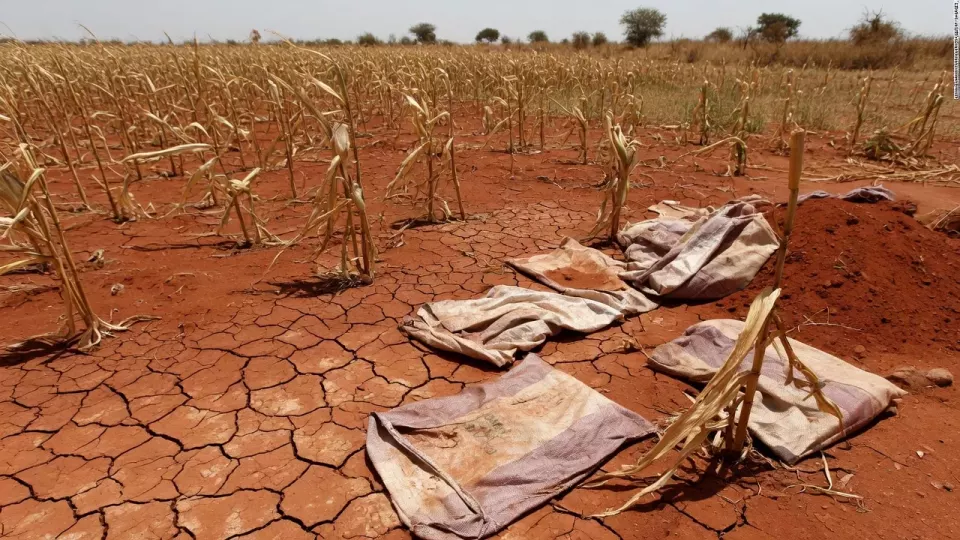
Kenya's agriculture sector employs an estimated 40 percent of the total population and contributes roughly a quarter of gross domestic product, yet approximately 80 percent of the country's farmland relies entirely on rainfall. This dependence has left millions of smallholder farmers acutely exposed to the increasingly erratic weather patterns driven by climate change, generating recurring cycles of drought, food shortages, and rural poverty. The NISIP is designed to structurally break that cycle by expanding reliable, year-round irrigation to a far greater share of Kenya's arable land — offering farmers a degree of production certainty that rain-fed agriculture simply cannot guarantee.
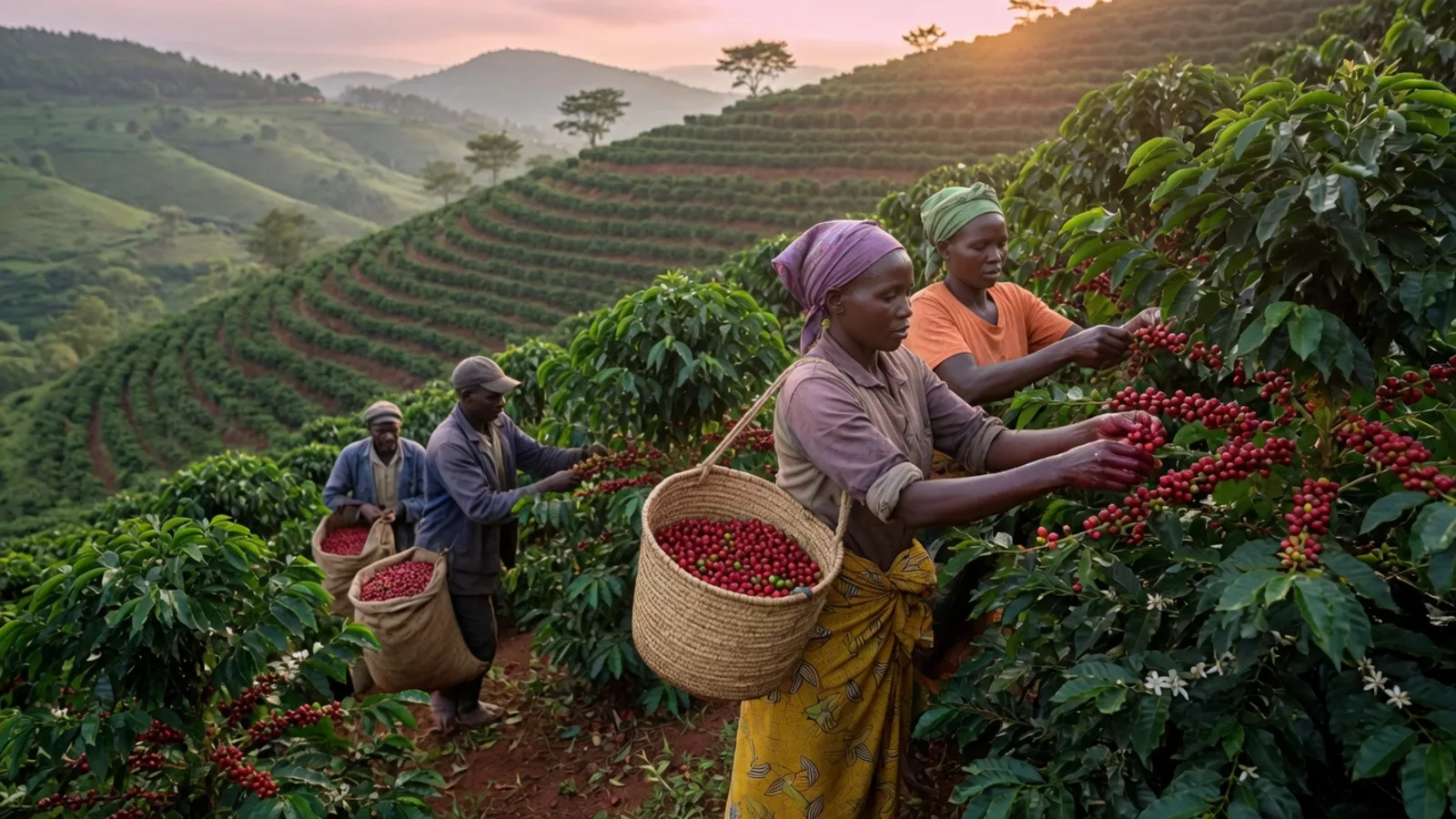
If successfully executed, the National Irrigation Sector Investment Plan could fundamentally reshape Kenya's food security landscape and position the country as a significant agricultural exporter within East Africa and beyond. Expanding irrigation has long been identified by economists and development organisations as the single most powerful lever for raising farm productivity in sub-Saharan Africa, and Kenya's decade-long commitment reflects that strategic logic. The critical test will be mobilising the private financing required and ensuring the gains are broadly shared — smallholder farmers must be central beneficiaries if the plan is to meet its social goals alongside its economic ones. With the first mega dams expected to break ground in 2026, the coming years will reveal whether NISIP translates from blueprint into transformative reality.