Kenya Establishes WAF Country Council to Drive Next-Generation Agricultural Growth

Kenya has formally launched the World Agriculture Forum (WAF) Country Council, a milestone initiative designed to reshape the country's agricultural sector through cutting-edge technology and scientific innovation. The ceremony was held at the International Livestock Research Institute (ILRI) in Nairobi, under the ambitious theme: "The Convergence of Intelligence: Strategic Investments in AI and Bioengineering for a Resilient Agricultural Future."
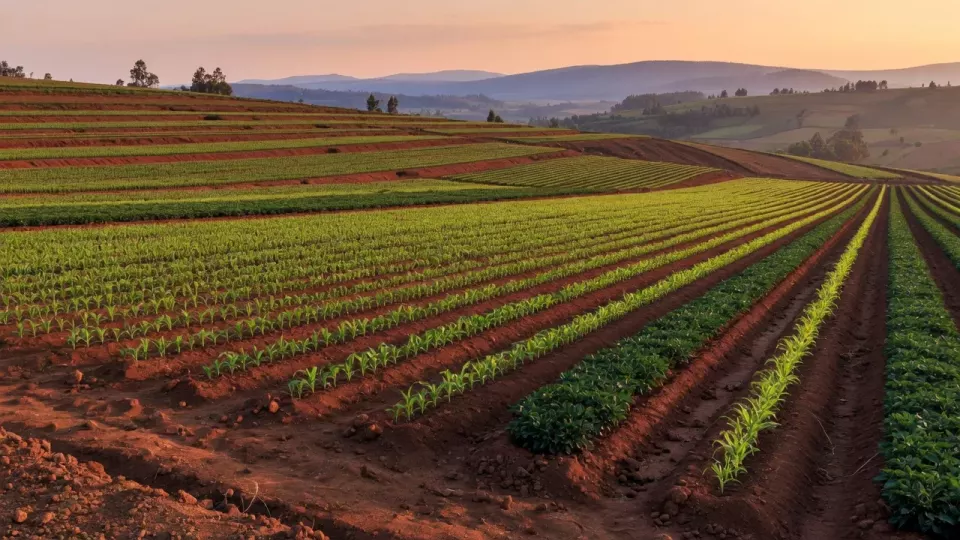
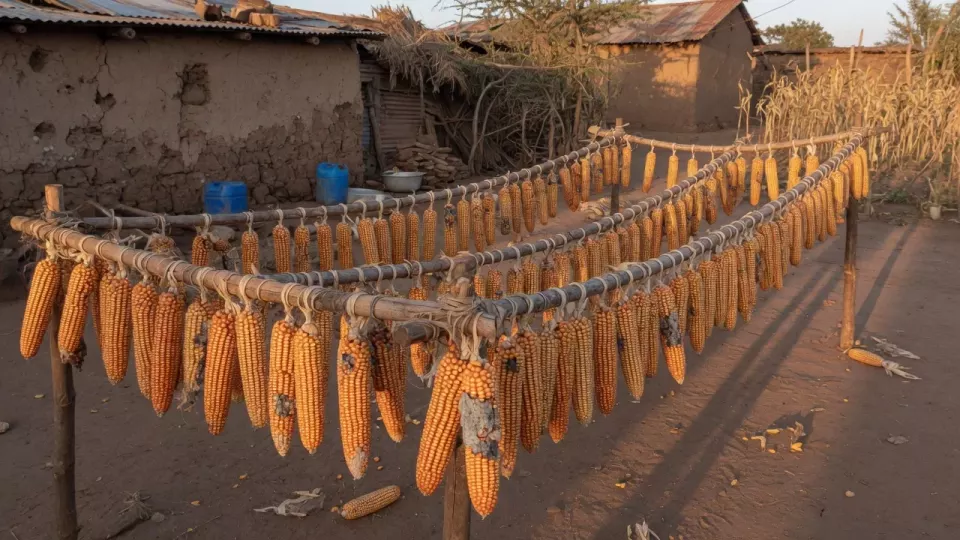
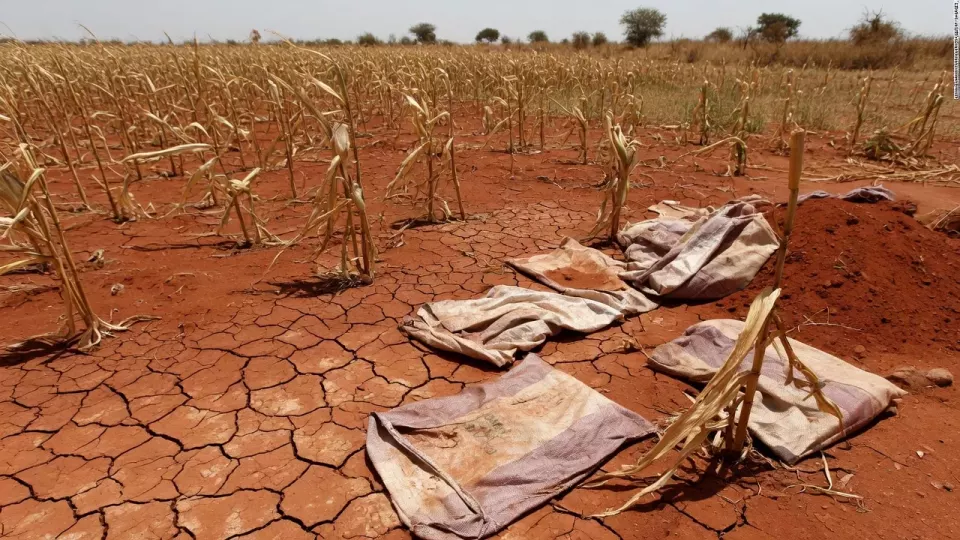
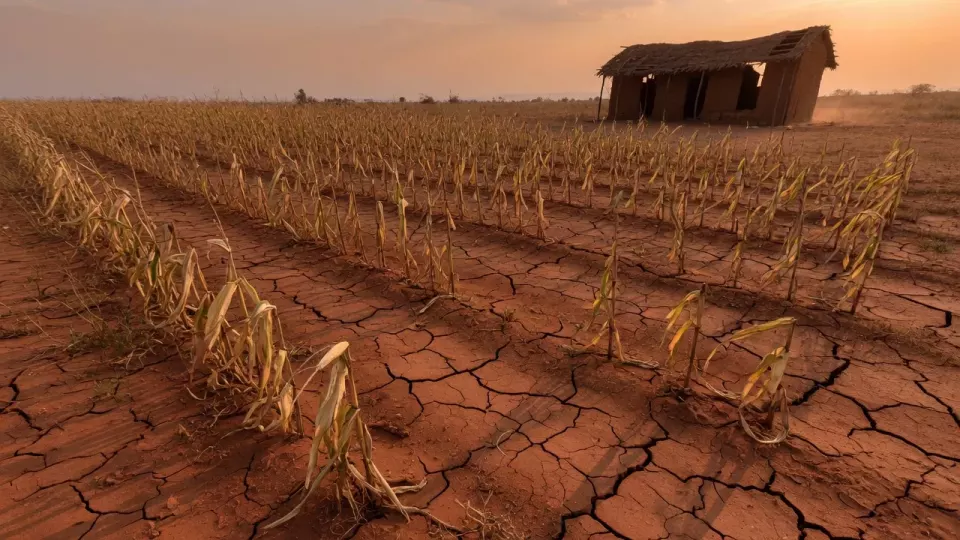
The timing of the launch is deliberate. Kenya's farming sector faces an increasingly difficult environment — erratic rainfall and shifting seasons driven by climate change are disrupting planting cycles, while trade restrictions continue to squeeze agricultural supply chains. Add a rapidly growing population to that mix, and the pressure on the country to produce more food, more efficiently, has never been greater.
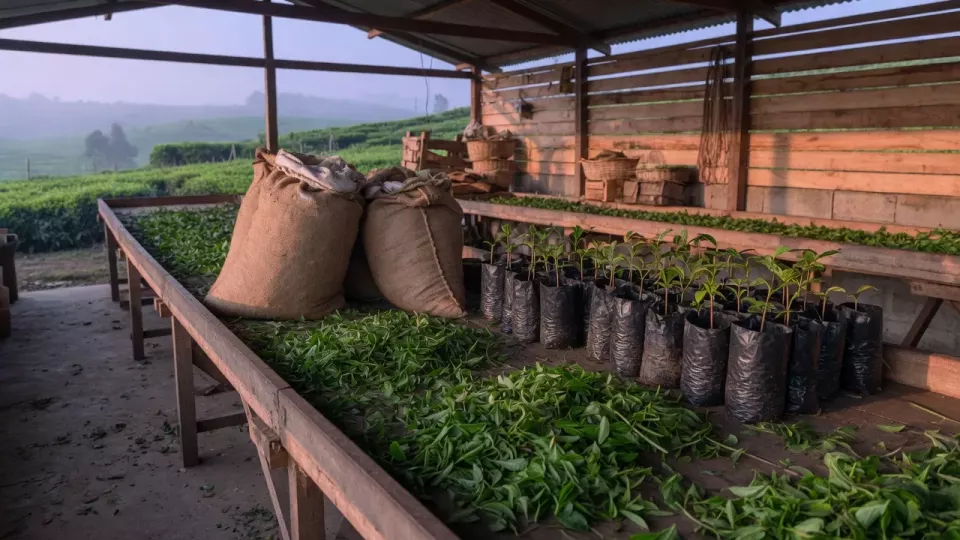
At the heart of the WAF Country Council is a push to close the gap between government policy ambitions and the day-to-day realities faced by Kenyan farmers. The Council intends to build integrated investment pipelines that bring together digital intelligence — think AI-powered farming tools and data-driven decision systems — alongside biological innovation such as bioengineering, to create practical, scalable solutions across the sector.
Speaking at the launch, Principal Secretary Prof. Shaukat gave the initiative his full backing, framing it as a once-in-a-generation opportunity. He described the coming period as Kenya's "Convergence Decade" — a window in which the combination of digital and biological intelligence can generate real, tangible opportunities for farmers across the country. His remarks signal that the government views this not as a peripheral project, but as a strategic national priority.
The Council has a clear roadmap. A central focus will be forging meaningful links between global investors and Kenya's local agricultural innovators, ensuring that finance finds its way to the ideas most likely to improve on-farm productivity. The Council will also work to accelerate uptake of AI and bioengineering tools across the sector while cementing Kenya's status as a continental agri-tech destination. By 2028, organizers are targeting a fully scalable implementation model ready for deployment at scale.
Movement is expected quickly. Technical working groups are set to convene within the next 30 days, tasked with tackling the thorniest issues: aligning regulations to support new technologies, designing appropriate financing mechanisms, and putting in place protections for farmers as these innovations are rolled out. Equal attention will be paid to making AI tools genuinely accessible to smallholder farmers, who stand to benefit the most from improved efficiency and climate resilience.
With the WAF Country Council now officially in place, Kenya is staking its claim as a regional leader in agricultural transformation — turning the mounting pressures of climate change and population growth into a platform for homegrown innovation.