Kenya Doubles Fertilizer Subsidy Budget to Sh18 Billion for 2026/27
The Kenyan government has more than doubled its fertilizer subsidy programme budget to Sh18 billion for the 2026/27 financial year, a dramatic increase from the Sh8 billion allocated in the previous cycle. The announcement, embedded in the national budget, signals a decisive shift in policy emphasis toward affordable agricultural inputs as the administration seeks to boost domestic food production and cushion smallholder farmers against volatile global markets.
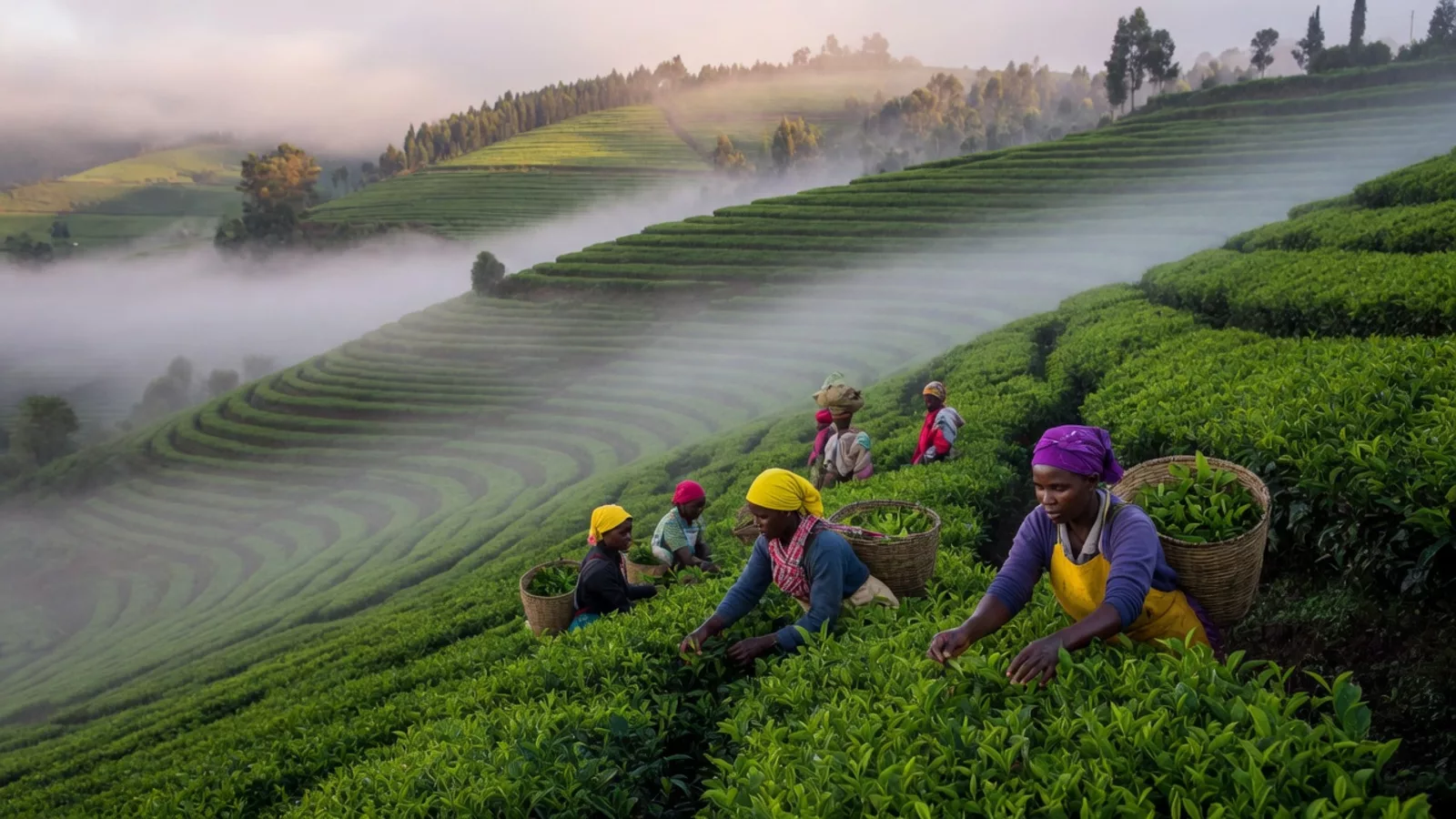
The expanded programme will channel subsidised fertilizer bags to farmers across several of the country's most productive agricultural counties, including Narok, Bomet, Nyamira and Kericho in the central highlands, as well as Bungoma and Kakamega in the Western region, and communities spread across the vast North Rift. These areas collectively account for a substantial share of Kenya's maize, wheat and tea output and are home to millions of smallholder farming families who operate on tight margins. The increased funding is expected to widen the reach of the programme significantly, bringing more households within the net of subsidised input access during the critical planting seasons.
Kenya's fertilizer subsidy scheme has been a central pillar of the government's Bottom-Up Economic Transformation Agenda, which places smallholder agriculture at the heart of the country's economic recovery and poverty reduction strategy. Over recent seasons, the cost of farm inputs has been a recurring pressure point for rural households. Global supply chain disruptions, fluctuations in international shipping costs, and currency depreciation have at various points pushed retail fertilizer prices well beyond what many Kenyan farmers can comfortably absorb. The subsidy programme has helped offset that burden, ensuring that key inputs such as DAP and CAN fertilizer reach farmers at below-market rates during the windows that matter most — the short and long rains planting periods.
Beyond the immediate budgetary boost, the government has identified domestic fertilizer manufacturing as a long-term structural answer to Kenya's dependence on costly imports. The Olkaria geothermal complex in Naivasha has been earmarked as the preferred location for a local production facility, with officials pointing to the site's abundant and competitively priced geothermal energy as a natural advantage for energy-intensive chemical manufacturing. Progress toward operationalising a fertilizer plant at Olkaria remains a stated government priority for 2026. If realised, the project could give Kenya the ability to produce inputs at scale, stabilise farm-gate prices over the long term and reduce the foreign exchange burden currently associated with large annual fertilizer import bills.
The doubling of the subsidy allocation arrives ahead of the long rains planting season and is expected to translate into measurable productivity gains across Kenya's major growing regions. Agricultural economists have long argued that well-targeted input subsidies generate strong multiplier effects — improving crop yields, lifting rural incomes and reducing pressure on the country's food import bill. For a nation where agriculture employs close to 40 percent of the workforce and contributes roughly a quarter of gross domestic product, the Sh18 billion commitment represents both a significant fiscal statement and a practical intervention at a pivotal moment. If distribution logistics hold and the programme reaches its intended beneficiaries on time, the 2026/27 planting seasons could mark a meaningful step forward in Kenya's goal of achieving food self-sufficiency.