Kenya and Germany Ink Deal to Expand Smallholder Irrigation Across Seven Counties

Kenya has secured fresh support from Germany to roll out irrigation projects targeting smallholder farmers across seven counties in the Lake Region Economic Bloc in western Kenya. The deal was formalised during high-level bilateral development discussions held in Berlin on June 25, bringing together Kenya's National Treasury Principal Secretary Chris Kiptoo and Joachim Schmitt, who heads Germany's Federal Ministry for Economic Cooperation and Development. The talks mark a deepening of agricultural ties between the two countries at a moment when food security remains a pressing concern for millions of Kenyan farming households.
The new commitment builds on an existing German-backed irrigation programme that has already delivered strong results in the Mount Kenya region. Irrigation Principal Secretary Ephantus Kimotho underlined the economic transformation the initiative has brought about, pointing out that annual farmer incomes are projected to jump dramatically — from Sh12.4 million to Sh45.7 million — based on outcomes from projects already on the ground. Those numbers have made a compelling argument for rolling the model out to new parts of the country.
Five irrigation schemes — Miuka, Kandeki, Gatene, Magatianthi, and Kiramanti — have so far been completed under the existing collaboration. Together, these projects cover roughly 1,300 acres and have directly improved the livelihoods of 1,540 farmers. Two of the five schemes are now fully operational, with management formally handed over to local farming communities who are already working the irrigated land.
Under the expanded partnership, Germany has pledged funding for community engagement activities, project preparation work, and climate-smart agricultural initiatives aimed at bolstering food security and building resilience among smallholder households. The two governments also discussed drawing the private sector more deeply into agricultural value chains, alongside targeted programmes designed to encourage youth participation in climate action and sustainable farming practices.
A substantial portion of the Berlin discussions focused on how best to integrate irrigation, agriculture, and trade programmes in order to improve market access for farming communities and widen economic opportunities across rural areas. Officials from both sides agreed that aligning these programmes is essential to ensuring that gains in farm productivity translate into tangible income growth and long-term livelihood stability.
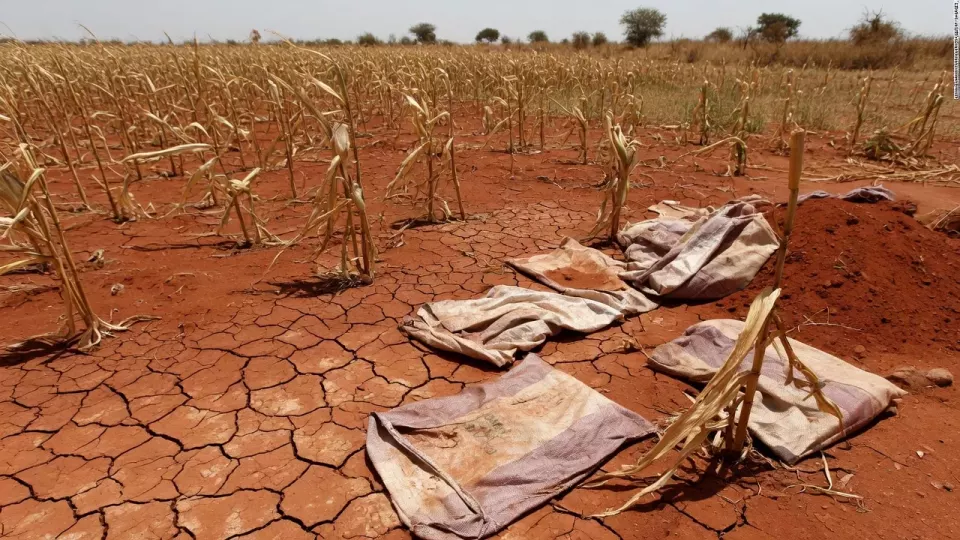
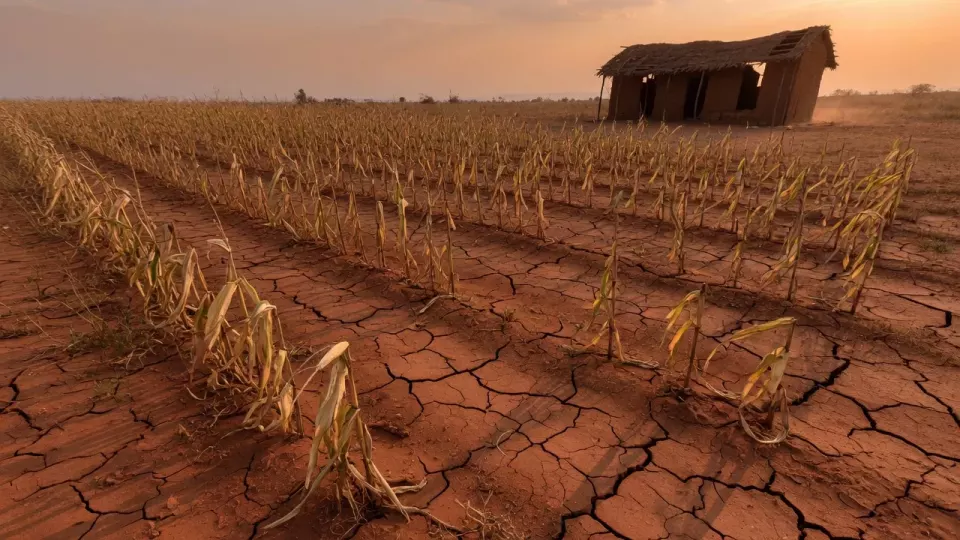
For smallholder farmers in the Lake Region Economic Bloc, the agreement is a meaningful step toward breaking the cycle of dependence on rain-fed agriculture — a vulnerability that erratic weather and prolonged dry spells have repeatedly exposed across western Kenya. With German financial and technical backing now formally in place, county governments and farming cooperatives across the seven target counties can expect project preparations to begin in the months ahead, bringing improved water access — and the income security that comes with it — closer to reality.