Kenya Agriculture Sector Hits KSh 4 Trillion, 23% of GDP in 2025
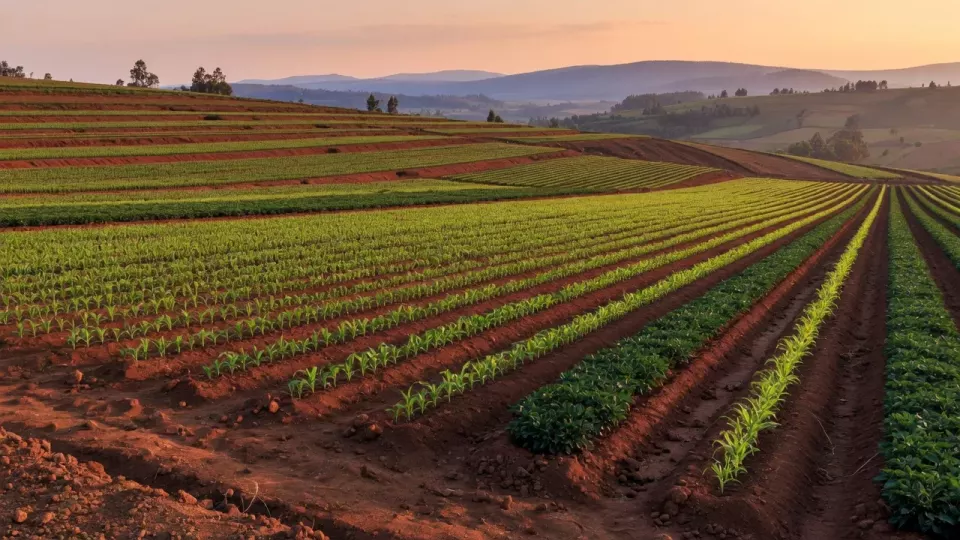
Kenya's agriculture, forestry and fishing sector crossed a landmark threshold in 2025, generating KSh 4.07 trillion and claiming 23.2 percent of the country's gross domestic product — the highest share recorded since at least 2009. The milestone underscores the enduring centrality of farming to the Kenyan economy, even as the sector navigated a year marked by uneven crop performance and shifting weather patterns across the country's major agricultural zones.
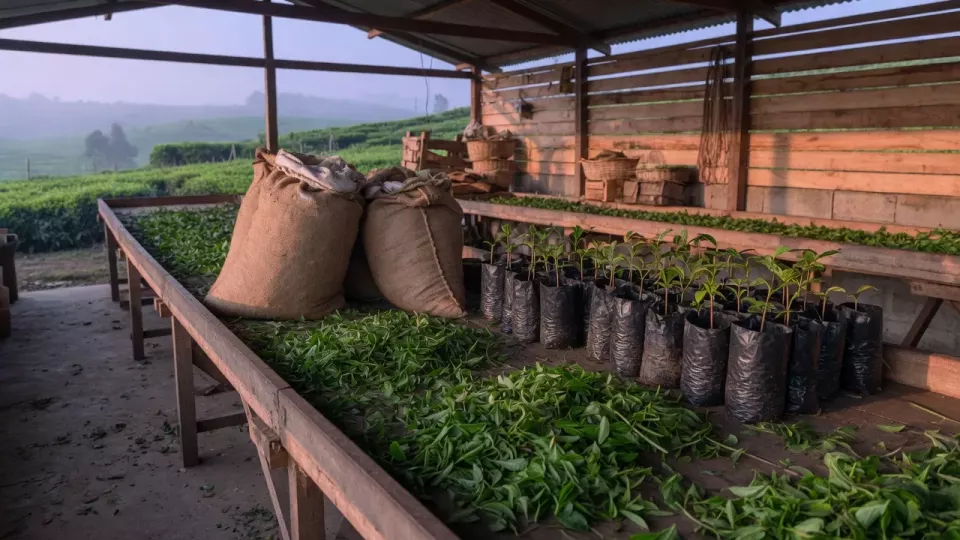
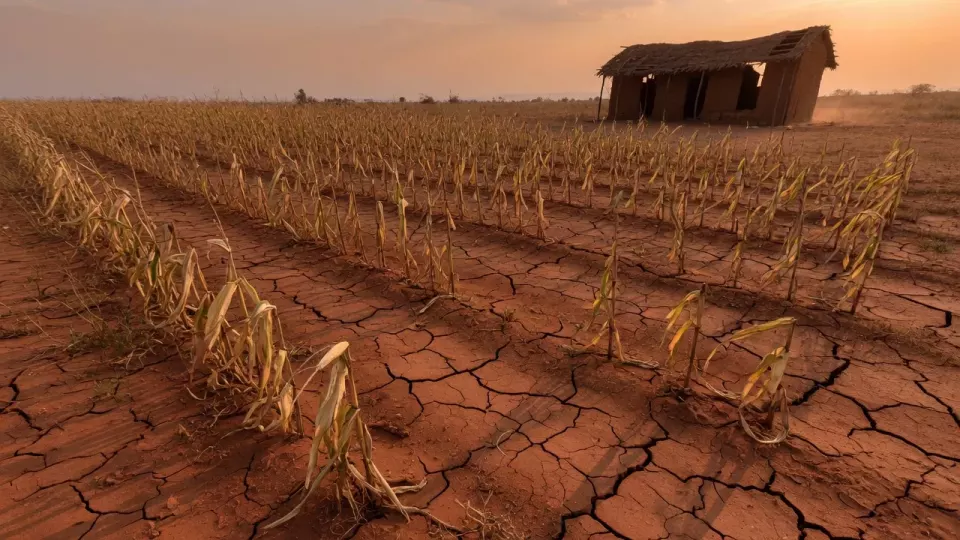
Despite the record-high GDP share, the sector's overall growth rate eased to 3.1 percent in 2025, down from 4.4 percent the previous year. The slowdown was driven largely by significant contractions in two of Kenya's most commercially important crops. Tea production fell by 8 percent, a sharp reversal for an industry that normally anchors Kenya's export earnings and positions the country among the world's top three tea exporters. Sugar cane deliveries to millers suffered an even steeper decline of 24.7 percent, tightening domestic supplies and adding fresh pressure on an industry already grappling with structural inefficiencies and competition from cheaper imports.
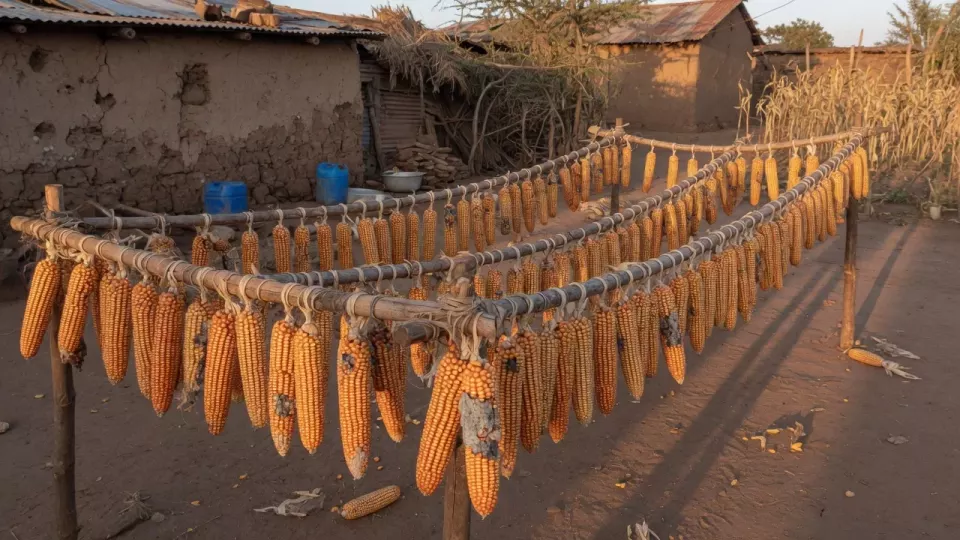
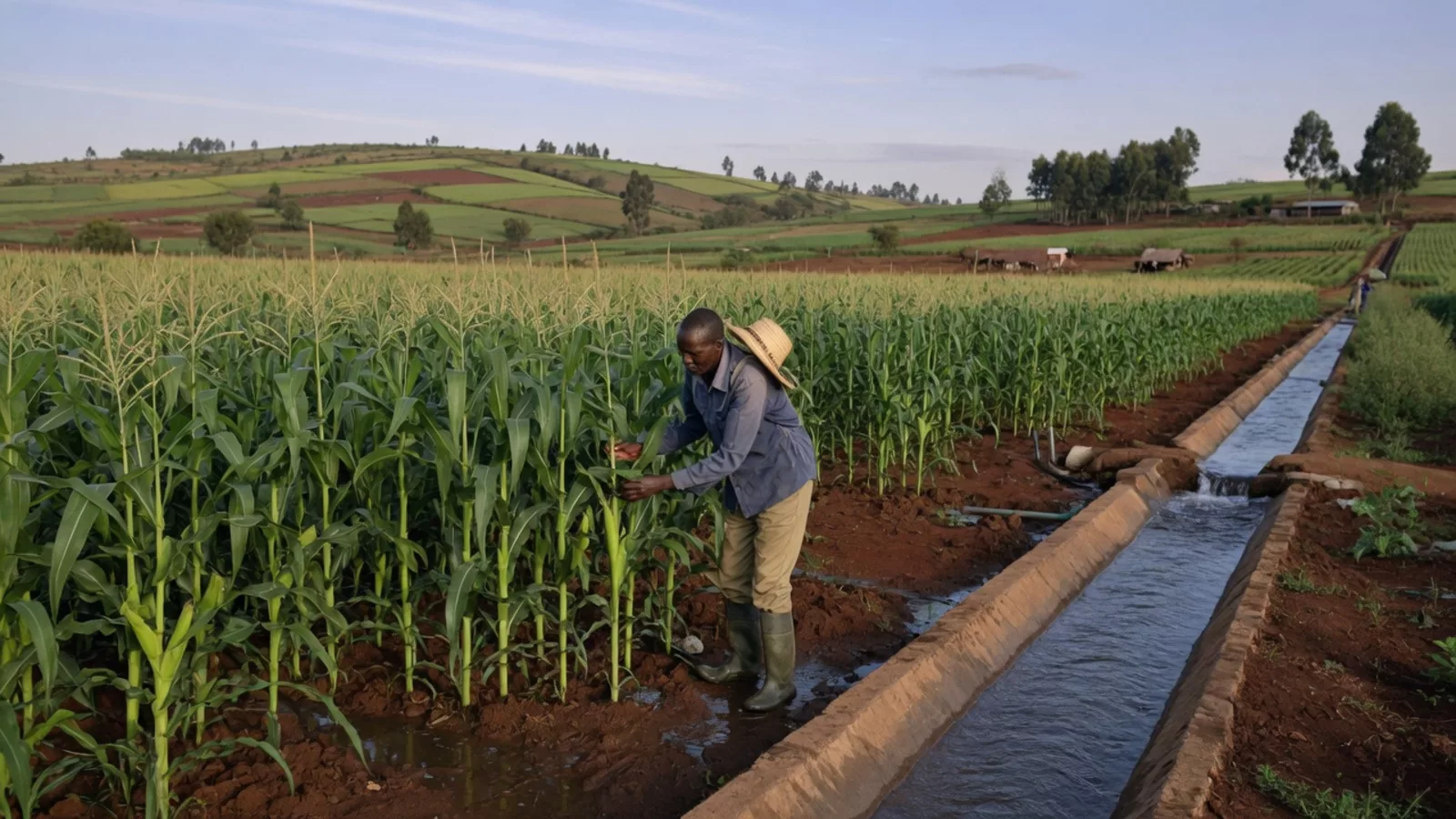
Agriculture has long served as the backbone of the Kenyan economy, employing the majority of the rural workforce and providing livelihoods for an estimated 70 percent of Kenyans either directly or indirectly. Beyond tea and sugar, the sector encompasses a broad spectrum of activity — smallholder maize and bean farming, horticulture for export markets in Europe and the Middle East, dairy production, fisheries along Lake Victoria and the Indian Ocean coast, and commercial forestry. This diversity gives the sector a degree of resilience, though it also means that a single bad season for key crops can ripple across millions of households simultaneously.
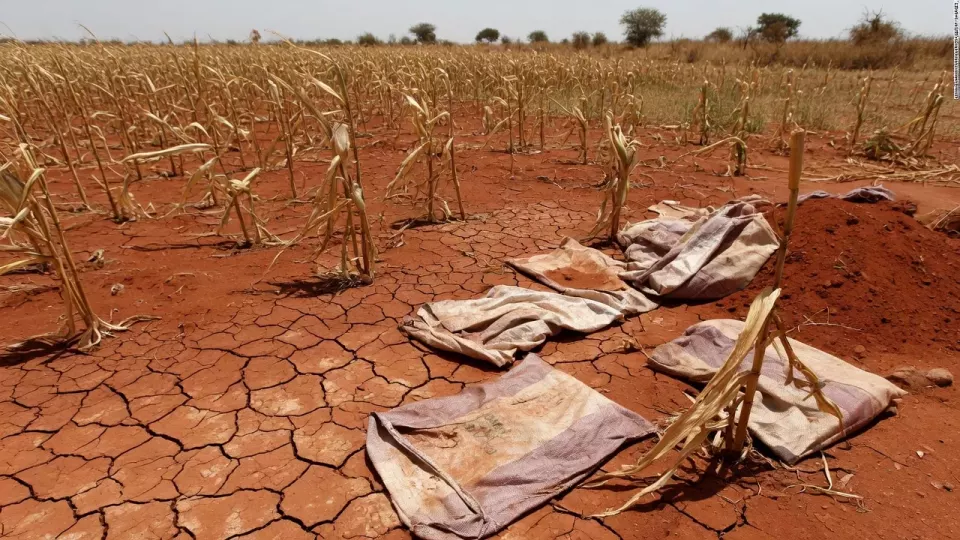
The rise in agriculture's GDP share, even amid slower growth, reflects a broader dynamic in the Kenyan economy: while construction and financial services have expanded, the relative weight of farming has held firm. Government programmes including the subsidised fertiliser initiative and irrigation investments under the Bottom-Up Economic Transformation Agenda have been credited with supporting output levels, particularly among smallholder farmers who account for the bulk of domestic food production and who remain most exposed to the effects of climate variability.
Looking ahead, the performance of Kenya's agriculture sector in 2026 will depend heavily on rainfall reliability, policy continuity, and the pace at which structural reforms reach struggling industries such as sugar. Analysts and farm lobby groups have called on the government to accelerate the turnaround of loss-making sugar companies and to invest in climate-resilient crop varieties as increasingly erratic weather threatens long-term yields. With agriculture still responsible for feeding and employing tens of millions of Kenyans, the sector's fortunes in the coming seasons will remain one of the most consequential economic stories in the country.