How the 4K Club Is Turning Kenya's School Learners Into Sustainable Farming Champions
At St Joseph's Kamusinde School in Bungoma County, a quiet revolution is taking root — quite literally. Students at the institution have found a renewed connection with the land through the 4K Club, an initiative backed by The Anglican Development Services (ADS) Western. What was once considered tedious or even a form of punishment has become a hands-on pathway to environmental stewardship.
For years, farming in Kenyan schools carried a heavy stigma. It was regularly used as a disciplinary tool, breeding resentment rather than passion for the land. The 4K Club is actively dismantling that legacy by immersing learners in regenerative agriculture — a modern approach centred on restoring soil health, promoting biodiversity, and building the climate resilience that Kenya's farming communities urgently need.
Club members are not merely reading about agriculture — they are practising it. Through lessons in composting, mulching, crop diversification, and soil conservation, students are acquiring skills with real-world value. The club's chairperson, Dominick Simiyu Wekesa, captures the spirit of the experience: "The club has allowed us to learn by doing. We are learning how healthy soils, good farming practices, and environmental conservation are connected."
The programme's ripple effect is already visible beyond the school gate. Club member Elizabeth Nasimiyu has taken on the role of an informal ambassador within her own household, sharing what she has learnt with her family. "Through the club, I have learned how to improve soil fertility using locally available materials," she says — a skill of particular value in communities where commercial agricultural inputs remain expensive and hard to access.
Alfred Wafula Mulongo, the club's patron, believes the programme's greatest strength lies in this transfer of knowledge — from classroom and school garden to the family shamba. "When learners understand why they should protect the soil, conserve water, and diversify crops, they carry that knowledge home," he explains. That multiplier effect means a single school initiative can generate benefits across entire communities.
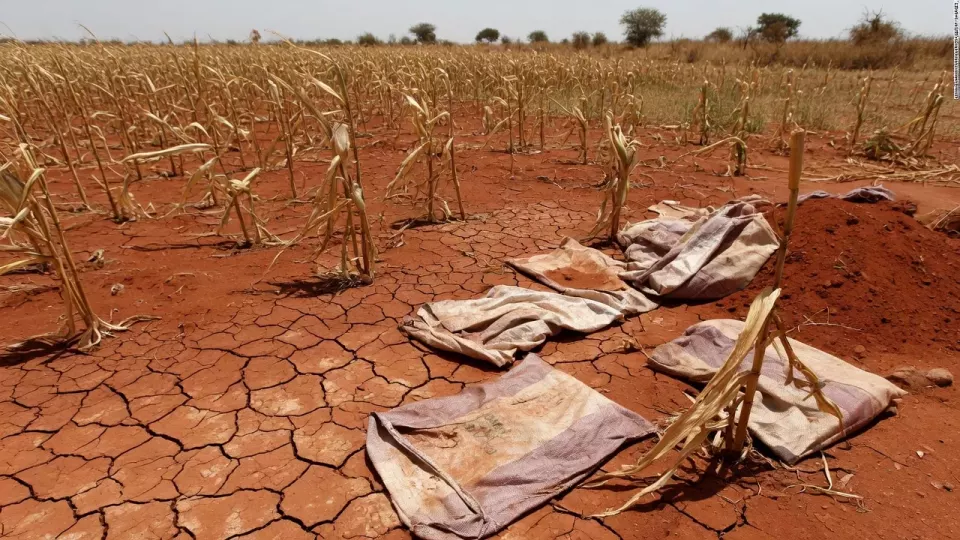
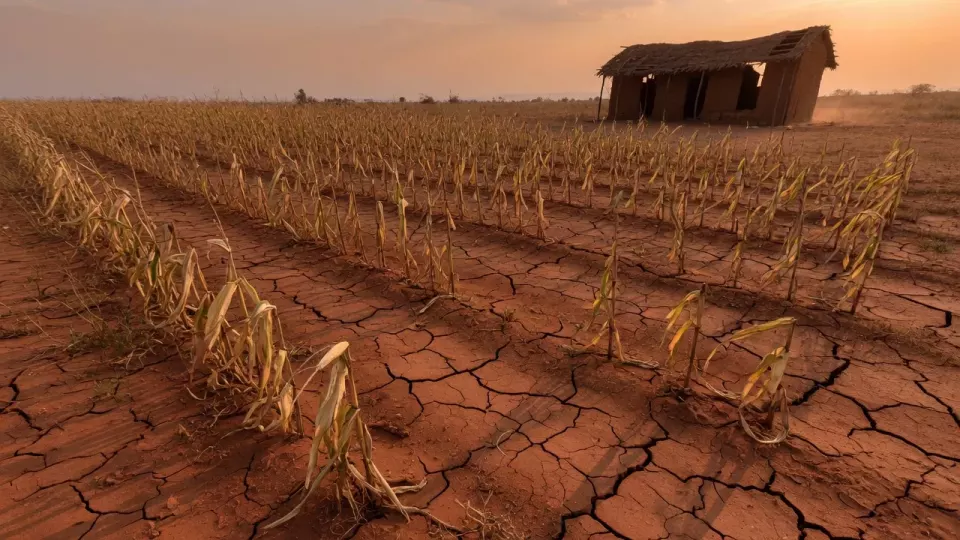
The urgency behind such programmes cannot be overstated. Climate change continues to destabilise Kenya's agricultural systems through erratic rainfall, prolonged dry spells, and widespread soil degradation, placing enormous pressure on the next generation of food producers. At St Joseph's Kamusinde, the 4K Club is giving young Kenyans both the practical tools and the environmental understanding to confront those challenges directly — turning food security from an abstract national concern into something personal, tangible, and actionable.