Africa's Agroecology and Conservation Experts Converge in Bomet for Regional Exchange Forum

Bomet County has emerged as the focal point of a significant pan-African dialogue, hosting a three-day regional exchange forum that has drawn agroecology experts and conservation practitioners from 11 countries across the continent. The event, jointly organized by WWF and the Biovision Foundation, is examining how agroecological farming methods can be woven into broader conservation strategies to benefit both people and the environment.
The forum has attracted a wide geographic spread of delegations, with representatives travelling from Cameroon, Central African Republic, DR Congo, Gabon, Kenya, Madagascar, South Africa, Tanzania, Uganda, Zambia, and Zimbabwe. The diversity of countries at the table reflects a growing continental consensus that food production and ecological health must be addressed together rather than in isolation.
Convened under the title "Agroecology for Biodiversity and Livelihoods: Building Capacity and Partnerships in Africa," the gathering has set three core ambitions: demonstrating how nature-positive farming can reverse biodiversity loss, building resilience to climate shocks, and strengthening food security. Delegates are also conducting field visits to see real-world applications up close and are exploring how these approaches can be anchored within global commitments such as the Kunming-Montreal Global Biodiversity Framework.
Speaking on behalf of WWF-Kenya's Chief Executive Officer, Kevin Gichangi made a strong case for agroecology's dual promise, noting that it "enables communities to produce food while restoring ecosystems" — a balance he described as essential as climate pressures continue to mount. Karen Luz of WWF's Global Food Practice reinforced this position, calling agroecology "an effective pathway for addressing food security while conserving ecosystems," and framing it as a cornerstone of long-term sustainability efforts across the region.
Bomet Deputy Governor Shadrack David Rotich welcomed the forum's arrival in his county, pointing out that agroecological principles align closely with the county government's development priorities and its objectives around sustainable land-use planning. His remarks underscore a broadening appetite among devolved governments to embed environmental thinking into local agricultural policy.
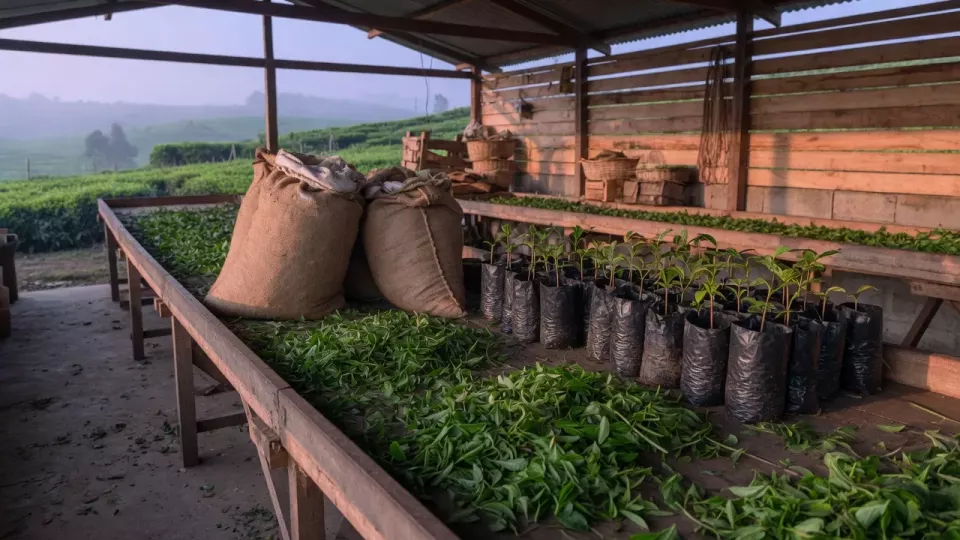
The choice of Bomet as host venue is more than symbolic. The county's mixed farming landscapes are places where the daily pressures of food production and environmental stewardship collide, making it an ideal classroom for the visiting delegations. Field visits scheduled into the programme are intended to move conversations beyond conference rooms and into the lived realities of farmers managing these competing demands.
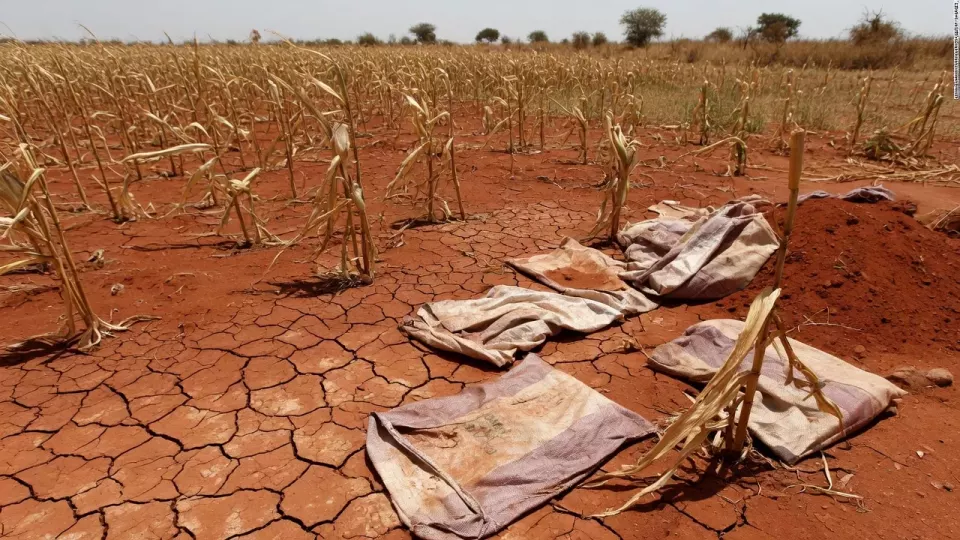
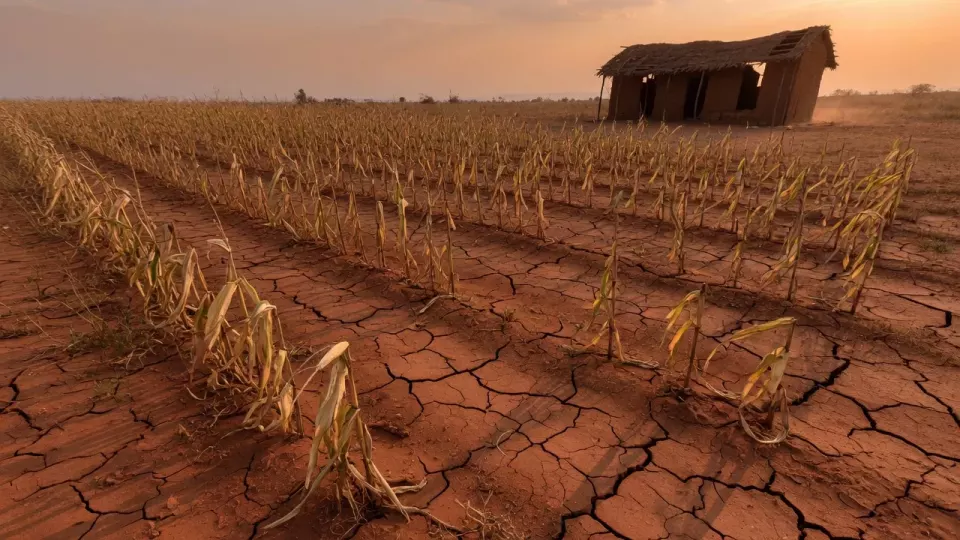
With drought, land degradation, and food insecurity bearing down on communities across Africa, gatherings of this nature carry real urgency. The cross-border networks and partnerships being built in Bomet could significantly shape how the continent's agricultural and conservation communities coordinate their responses in the coming years — with Kenya, once again, serving as a convening ground for Africa-wide solutions.