Fans Pay the Price: FIFA's Dynamic Ticket Strategy Fills 99.7% of World Cup Seats
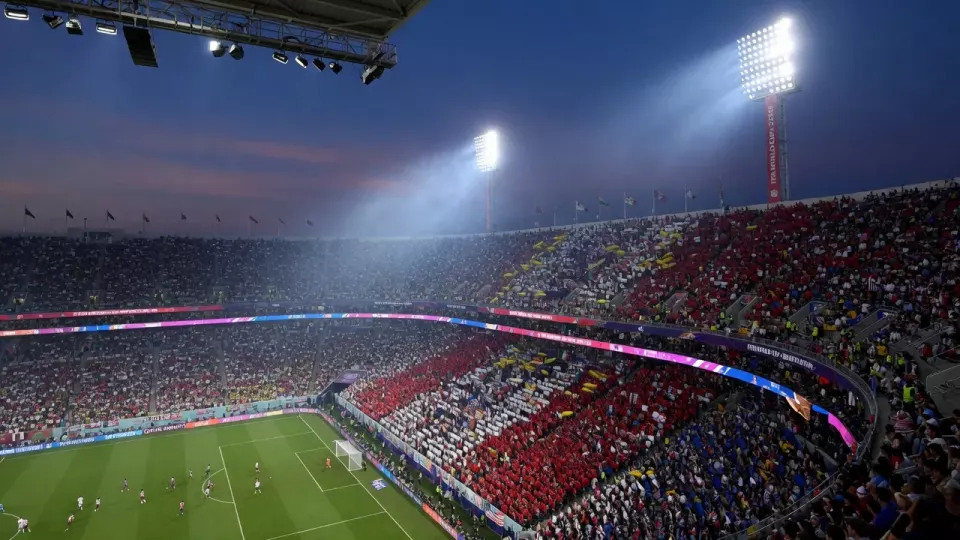
When FIFA set group-stage ticket prices at $575 for the 2026 World Cup — more than double the most expensive group ticket available at Qatar 2022 — sceptics predicted empty seats and fan revolt. Neither materialised. According to figures reported by Nation.Africa, approximately 99.7 per cent of available seats were filled across the preliminary stage, with more than half of the 72 group matches reaching full capacity. The remaining games came within a few hundred seats of sellout.
Key points
- FIFA's 2026 World Cup group tickets started at $575, more than double Qatar 2022's most expensive group price.
- Dynamic pricing helped fill 99.7% of group-stage seats; over half of the 72 group matches sold out completely.
- FIFA's own resale platform listed final tickets from around $7,000; SeatGeek averaged over $11,000 per seat.
- Some secondary-market listings for the final reached approximately $32,000 per ticket.
The pricing structure was unprecedented in the tournament's history. FIFA implemented dynamic pricing for the first time at a World Cup, a mechanism that adjusts ticket costs in real time according to demand. While entry-level group tickets opened at $575, the system rapidly inflated costs upward. By the time Argentina and Spain met in the final at the New York/New Jersey Stadium, FIFA's own resale platform was listing seats starting around $7,000, with secondary market platform SeatGeek averaging more than $11,000 per ticket and some listings reaching approximately $32,000.
Underpinning the perceived frenzy was a strategy that market observers call “slow ticketing.” Rather than releasing the full inventory at once, organisers drip-fed batches of seats into the market, creating artificial scarcity that drove urgency among buyers. The tactic kept headlines dominated by sold-out alerts and waitlists, manufacturing an atmosphere of exclusivity that arguably primed consumers to pay ever-higher prices as new allocations were released. Chris Leyden, senior director at SeatGeek, noted that demand “held up remarkably well” as each knockout round arrived with fresh matchup combinations and fresh surges in pricing.
For FIFA's balance sheet, the calculation has proved transformative. Analysts project the governing body will exceed $15 billion in total revenue for this World Cup cycle — a record for the organisation, and well ahead of the $11 billion target it set heading into Qatar 2022. The expansion of the tournament to 48 teams, generating 104 matches compared to the previous 64, amplified both ticket inventory and overall income.
The financial windfall has not come without sharp criticism. Ronan Evain, executive director of Football Supporters Europe, dismissed the tournament as “a World Cup for a happy few,” describing access as restricted largely to wealthy visitors. New York City Mayor Zohran Mamdani publicly lobbied FIFA to release affordable tickets for local residents ahead of matches played in the metropolitan area. Columbia University associate professor Adam Elmachtoub questioned the opacity of the pricing algorithm: “No one really knows how this works,” he said, arguing that greater transparency would have eased consumer frustration across a tournament of this scale.
Yet the numbers have silenced much of the debate over whether fans would simply stay away. Ticketing expert Scott Friedman, a former executive with the NBA's Cleveland Cavaliers, credited FIFA with accurately reading global appetite. “What FIFA did a very good job of was determining what demand would be,” Friedman said, noting that fans ultimately “ended up paying” the elevated prices across all 104 matches. The data bore him out.
For African supporters — many of whom were already locked out by visa restrictions and travel costs before even considering a match ticket — the 2026 tournament's commercial triumph is a reminder of how far football's flagship event has drifted from its stated universal mission. FIFA filled the stadiums. Whether it filled them with the right fans remains a question that will outlast the final whistle.
Sources: Nation.Africa.