Ruto vows peaceful 2027 polls and crackdown on political violence
Key points
- President William Ruto has pledged peaceful 2027 elections.
- He also vowed to crack down on political violence and related networks.
- The message is aimed at voters, parties, and security agencies ahead of a long campaign runway.
- Practical takeaway: Peace pledges matter when matched with budgeted security plans and prosecutions — track deeds, not only rally lines.
President William Ruto has vowed that Kenya will hold peaceful elections in 2027 and that the state will act against political violence, according to public remarks covered across national media.
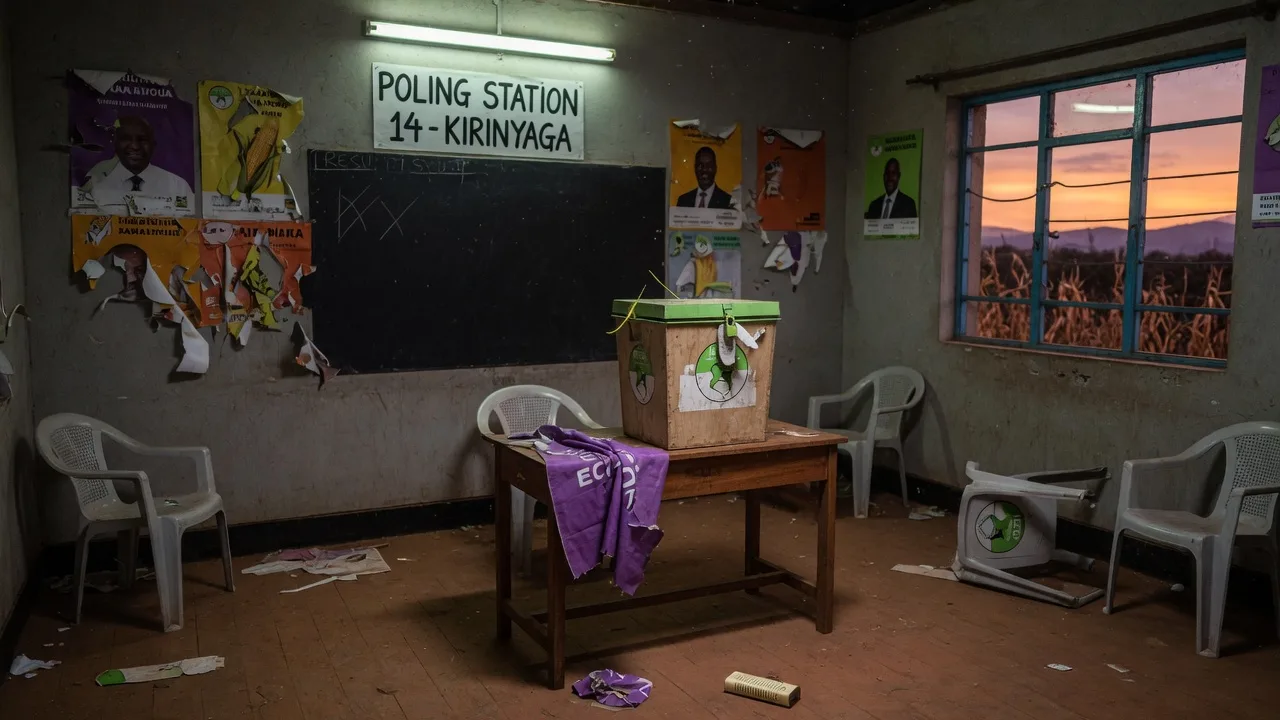
The framing pairs electoral credibility with a hard line on goon networks and street coercion — issues that have scarred previous cycles and local contests.
Context
With parties already jostling for 2027, early presidential messaging on peace is both reassurance and a political claim. Civil society and observers will measure it against police conduct, prosecution of violence, and fairness of the campaign environment as the calendar tightens.
Sources: . ZaKenya summary for readers in Kenya; verify details on original reports.
For readers tracking this story, the reliable next step is to separate what has already been verified in the published account from what still depends on official follow-up — court filings, agency circulars, company statements or county budget lines. Where the original report lists institutions, named officers or dollar/shilling figures, those anchors remain the ceiling of what can be stated without fresh primary documents.
Process matters as much as the headline. Affected residents, businesses or claimants should keep reference numbers, payment receipts, OB entries or written correspondence where relevant, and should treat social-media summaries as secondary until they match an official update. Journalists and civic monitors will look for the next scheduled hearing, disbursement batch, regulatory notice or implementation timeline rather than for recycled opinion.
Stakes for the public are practical: service delivery, legal rights, money, safety or market access. If later official numbers revise an early tally, the later figure controls. This expansion does not add new statistics, new quotes or new named actors beyond those already present in the article body above; it only clarifies how to read the existing facts and what to watch next without inventing outcomes.
Political claims harden only when parties publish instruments — nominations, coalition pacts, IEBC notices or parliamentary motions. Until then, tour schedules and interview lines are positioning, not ballot outcomes. Voters should match pledges against budgets and statutory calendars.