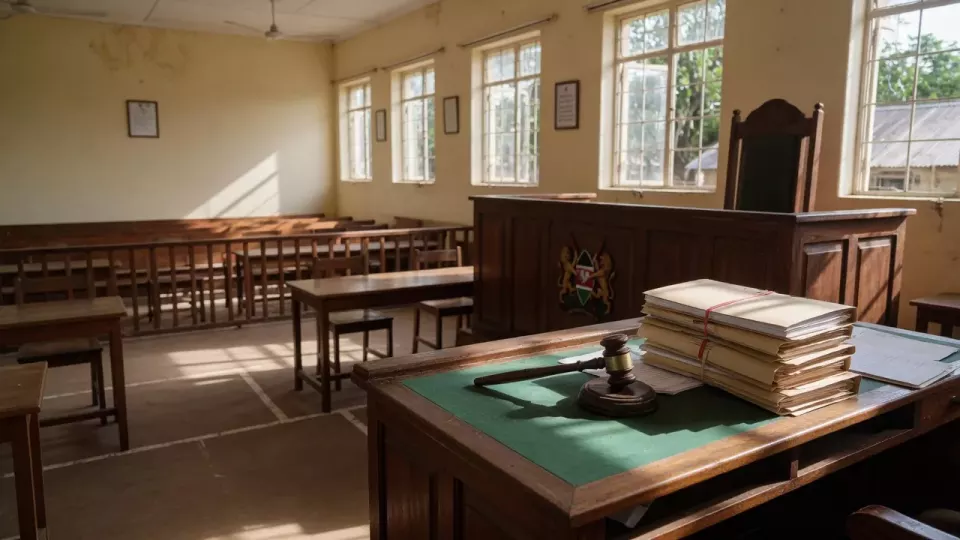
LSK targets 12 judges and a magistrate in escalating court boycott plan
Key points
- LSK has named 12 judges and one magistrate for an indefinite targeted boycott, according to Nation.Africa.
- The step follows a planned one-day nationwide court protest by advocates.
- Some judges have publicly urged LSK to drop the boycott, warning litigants will suffer most.
The Law Society of Kenya (LSK) has escalated its confrontation with parts of The Judiciary by naming 12 judges and one magistrate for an indefinite, targeted court boycott, Nation.Africa and other outlets report.
According to that coverage, the targeted action is timed to begin after a planned one-day nationwide court boycott — a two-stage strategy that first freezes ordinary court business broadly, then focuses pressure on specific judicial officers.
Judges push back
Not all of the Bench is silent. Reporting from Eastleigh Voice quotes judges urging LSK to abandon the boycott plan, arguing that litigants — not institutions — will absorb the greatest cost when hearings stall. Commercial disputes, criminal trials and family matters all stack up when advocates refuse to appear.
Earlier coverage also captured the Judiciary publicly cautioning the society over planned boycotts, framing access to justice as a constitutional duty that should not become a bargaining chip in professional disputes.
What is at stake
Court boycotts sit at the uncomfortable intersection of professional advocacy and public service. LSK argues that naming officers is a way to defend the integrity of the bar and the courts; critics counter that indefinite boycotts undermine the very rule of law advocates claim to protect.
For ordinary Kenyans, the practical risk is delay: postponed mentions, stalled bail applications, and commercial matters left in limbo. How long the boycott lasts — and whether named officers become permanent flashpoints — will determine whether this remains a short protest or a structural crisis in the justice system.
Browse justice and government contacts in the ZaKenya directory.
Summary based on public multi-outlet reporting. LSK and Judiciary statements should be checked as the dispute evolves.