Kenyan Lawyers to Boycott Courts Over Judiciary Corruption and Delays
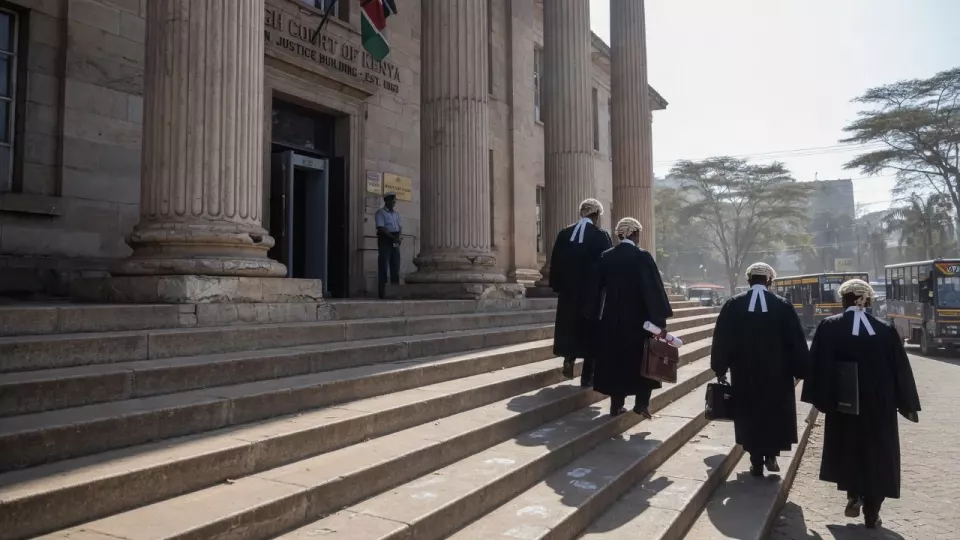
Advocates to Down Tools in Protest on Wednesday
Kenya's legal profession is set to come to a near standstill on Wednesday, July 22, after the Law Society of Kenya (LSK) declared a nationwide one-day boycott of court proceedings. The decision, announced by LSK President Charles Kanjama, follows months of unresolved grievances over what the Society describes as deepening corruption, judicial misconduct, and persistent systemic failures within the country's courts.
Key points
- Law Society of Kenya declared a one-day nationwide court boycott for 22 July, citing corruption and judicial misconduct.
- LSK President Charles Kanjama announced lawyers would abstain from hearings across all courts in Kenya.
- Exceptions allow case filing and appearances solely to secure new hearing dates or extend interim orders.
- LSK cited abuse of office, chronic backlogs, and dysfunctional court registries as key grievances.
The boycott will see advocates across Kenya abstain from attending court hearings and making applications. However, the LSK has carved out limited exceptions: case filing will continue as normal, and lawyers may appear solely to secure fresh hearing dates or to extend existing interim orders — steps deemed necessary to protect the rights of litigants.
A Profession Pushed to the Limit
The LSK has cited a broad range of concerns that it says have eroded public confidence in the justice system. These include abuse of office by judicial officers, unethical conduct, chronic backlogs, dysfunctional court registries, and the repeated breakdown of The Judiciary's e-filing platform. The Society also raised the issue of what it characterised as the systematic undermining of advocates' professional dignity within court environments.
Kanjama, speaking in Machakos during a meeting with members of the Society's Southeast and Machakos Chapters, said the boycott was intended to signal to the Judiciary the gravity of the profession's concerns and to compel meaningful institutional action. He was quoted as stating:
Judicial independence must go hand-in-hand with accountability, integrity, transparency and responsiveness to legitimate concerns raised by court users and the Bar.
Demands Beyond One Day
The one-day action is only part of a broader strategy approved by the LSK Council. In a more pointed escalation, the Society has resolved to launch an indefinite, targeted boycott of courts presided over by any judge or judicial officer who has obtained an injunction preventing the Judicial Service Commission (JSC) or the Ethics And Anti-Corruption Commission (EACC) from investigating complaints lodged against them. According to the LSK, such manoeuvres represent an unacceptable obstacle to judicial accountability.
To sustain pressure over the long term, the LSK will also establish a confidential reporting platform enabling advocates to submit verified accounts of judicial misconduct, registry inefficiencies, corruption, and delays. The Society says the information gathered will be presented to the Judiciary and the JSC through formal, structured engagement channels.
What the Boycott Means for Court Users
Members of the public with pending cases should note that while no substantive hearings will take place on Wednesday, the administration of justice will not entirely grind to a halt. Lawyers may attend court strictly to reschedule matters or to preserve interim orders already in force, ensuring that urgent protections remain in place throughout the protest day.
The boycott marks one of the most significant shows of collective action by the legal profession in recent years and underscores growing frustration within the Bar over what advocates describe as a judiciary that has been slow to hold its own members to account.
Sources: Capital FM, KBC.