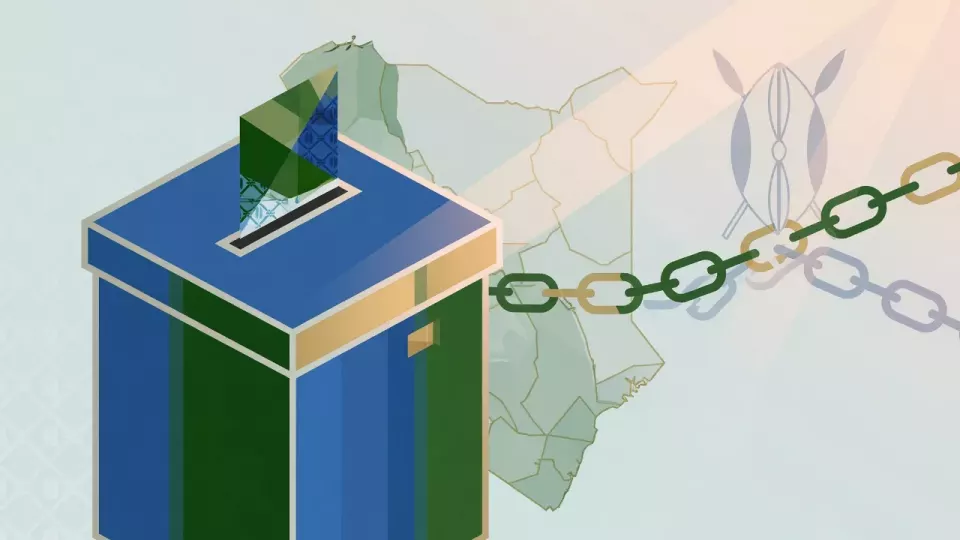
Kenya 2027 elections hub: parties, power shifts, and what to watch
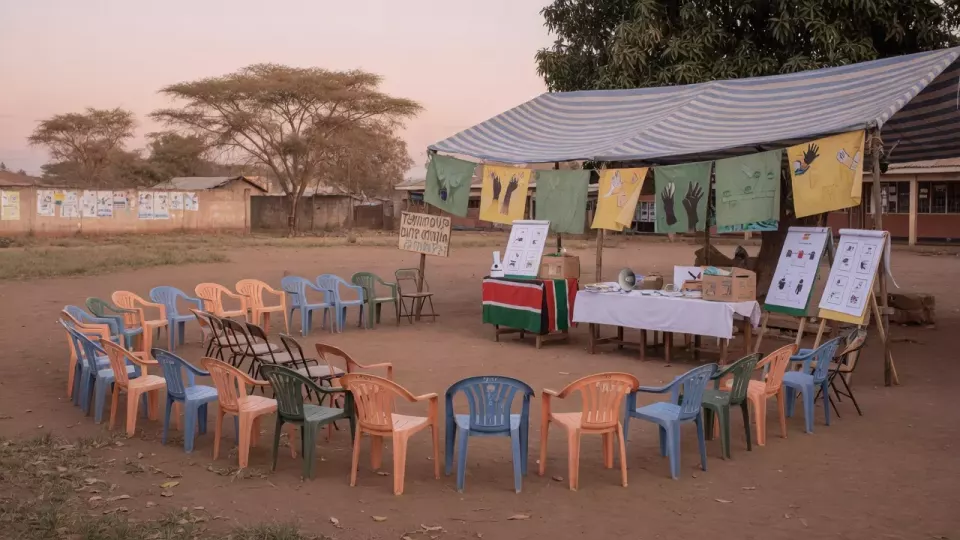
Key points
- High Court (Thande, Malindi): constitutionally the next presidential poll is 11 Aug 2026; IEBC’s 10 Aug 2027 plan was held incorrect — invalidity suspended.
- 2027 practical planning may continue, but coalition maths, cost of living, and institutional trust still shape the race.
- Mini-polls, defections, and party “soul” fights are early signals; treat them as data points, not destiny.
- This hub is the map; daily politics stories — including the election-date judgment — are the moving pins.
Kenya’s next general election cycle is already visible in today’s headlines: by-election shocks, party capture claims, State House tours, and new or recycled presidential hints. Readers need a place that does not expire when one mini-poll fades. This 2027 politics hub is that place on ZaKenya.
High Court Malindi: constitutional poll date is 11 August 2026
Lady Justice M. Thande of the High Court at Malindi held that Article 136(2)(a) fixes the next presidential election on Tuesday, 11 August 2026 — the second Tuesday of August in the fifth year after the 9 August 2022 General Election — and that the Independent Electoral and Boundaries Commission’s public plan for 10 August 2027 rests on an incorrect reading of the calendar. The court still suspended the declaration of invalidity so that IEBC’s 2025–2027 operations plan is not forced overnight into a logistically impossible 2026 sprint. Full explainer: High Court: Constitution sets poll for 11 Aug 2026, not IEBC’s 2027 plan.
For this hub’s map, treat the ruling as a structural pin: parties, coalitions and IEBC planning documents may still organise around 2027 in practice, but the constitutional clock the court described runs earlier. Watch appeals, IEBC’s formal response, and whether Parliament or the Executive seek clarifying legislation. Until higher courts or a settled political bargain say otherwise, readers should hold both dates in view — the declaratory constitutional date and the suspended practical calendar.
Three layers of the map
1. National brands. Who controls the ballot logo, the war chest, and the narrative on security and the economy?
2. Regional bargains. Mountain, Coast, Western, Nyanza, North — tickets are stitched county by county.
3. Household issues. Unga, jobs, police conduct, health cover, school costs. Parties that only win on TV lose on nomination day and on election day.
Signals worth tracking (without overreading them)
- Mini-polls and celebrations — morale and organisation tests, not national referendums.
- Defections and inductions — access to the centre versus local backlash risk.
- Impeachments and court eligibility fights — who can still appear on a ballot.
- Opposition splits and “party capture” claims — whether reformers build new vehicles or fade.
ZaKenya’s ongoing reporting under Politics and Kenya News should be read against these layers.
What citizens can do between now and 2027
- Track ward-level delivery (water, roads, clinics), not only national rallies.
- Keep voter registration details current when IEBC windows open.
- Demand peaceful competition — goon culture is a governance failure, not “energy.”
- Use the directory for IEBC and government contacts when official errands matter.
How this hub stays useful
We will not rewrite history every week. Instead, major politics explainers and breaking stories should loop back here. For commercial or partnership queries separate from politics reporting, see Advertise and Collaborate.
Democracy is a long game. This page is the scoreboard frame; your vote remains the only final whistle.
Evergreen political hub for orientation only. Not an endorsement of any candidate or party. Verify dates, coalition names, and IEBC notices from primary sources.