Judiciary: All Courts Will Sit on Wednesday Despite LSK Boycott
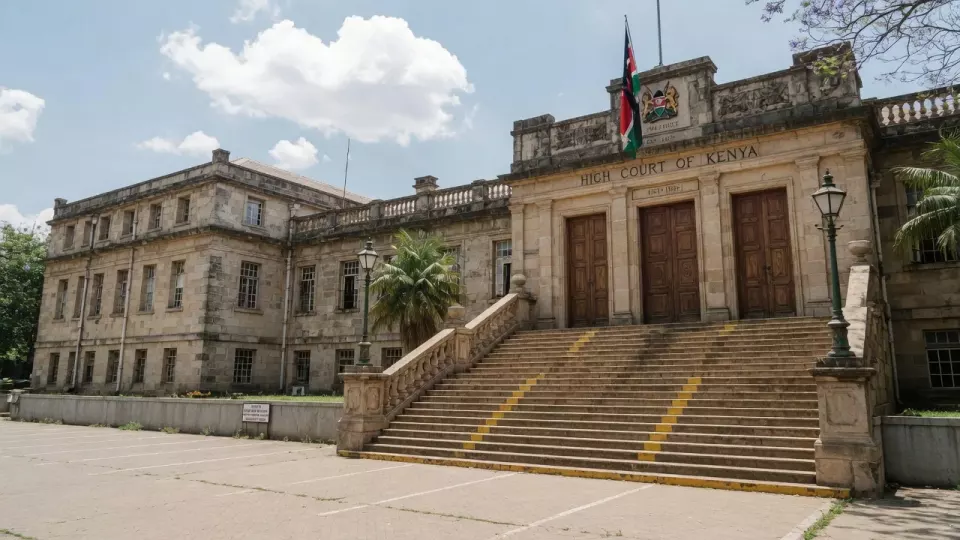
Kenya’s Judiciary has given notice that no court will close its doors on Wednesday, July 22, regardless of a planned one-day nationwide boycott by the Law Society of Kenya (LSK).
Key points
- Kenya's Judiciary confirmed all courts will remain open Wednesday July 22 despite the LSK boycott.
- Judiciary Spokesperson Paul Ndemo stated all courts nationwide will continue hearing matters as scheduled.
- LSK President Charles Kanjama announced the boycott on July 17, citing systemic failures in justice administration.
- LSK members point to hearing delays, late rulings, registry inefficiencies, and inadequate judicial officer accountability.
In a statement issued ahead of the action, Judiciary Spokesperson Paul Ndemo confirmed that “all courts throughout the Republic will remain open and will continue hearing and determining matters as scheduled on Wednesday, 22 July 2026.” The declaration draws a clear line between the institution and the legal profession’s representative body, which had signalled it would suspend courtroom appearances to press for administrative reforms.
The LSK, under President Charles Kanjama, announced the boycott on July 17, citing a catalogue of systemic failures it says have eroded the administration of justice. Advocates point to persistent delays in hearing matters, the late delivery of rulings, chronic inefficiencies in court registries, and what the Society describes as inadequate accountability among judicial officers. Members of the bar have also raised concerns about the physical working conditions they encounter in courts across the country.
The Society nonetheless indicated that not all activity would halt: filing of new cases would continue, as would court mentions and applications for interim orders — but only to the extent of securing fresh hearing dates or extending existing orders already in place.
The Judiciary took issue with both the substance and the proportionality of the protest. Ndemo characterised the boycott as “not an appropriate or proportionate response,” arguing that the primary casualties of a court closure would be the very litigants the legal profession exists to serve — ordinary Kenyans who may have waited months or years for their day in court.
On the question of case delays, the Judiciary pushed back with data. Figures for the 2024/25 financial year show that the most common causes of adjournment were witnesses who failed to appear, accounting for 16.8 per cent of postponements, followed by absent parties at 12.3 per cent, and advocates who came to hearings unprepared at 11.5 per cent. The institution argued that responsibility for backlogs is therefore shared, rather than resting solely with the bench or court administration.
The Judiciary also presented its performance record in defence. During 2024/25, courts across the country disposed of 647,686 cases against 621,425 new filings — a clearance rate of 104 per cent — while the overall backlog fell by 30 per cent despite a 20 per cent rise in the number of matters filed.
Both parties acknowledged a longer history of dialogue. Ndemo noted that the Judiciary and the LSK have met at least five times over the past two years to discuss concerns about the justice system. A further consultative session, involving the Judicial Service Commission, the LSK Council, and representatives of the Senior Counsel bar, is scheduled for July 31.
The Judiciary also underscored its constitutional independence, stressing that judges are answerable only to the Constitution and the law, and may not be directed on how to determine cases before them.
Sources: Capital FM, KBC.