Affordable Housing Interiors: Maximizing Limited Space in Nairobi Developments

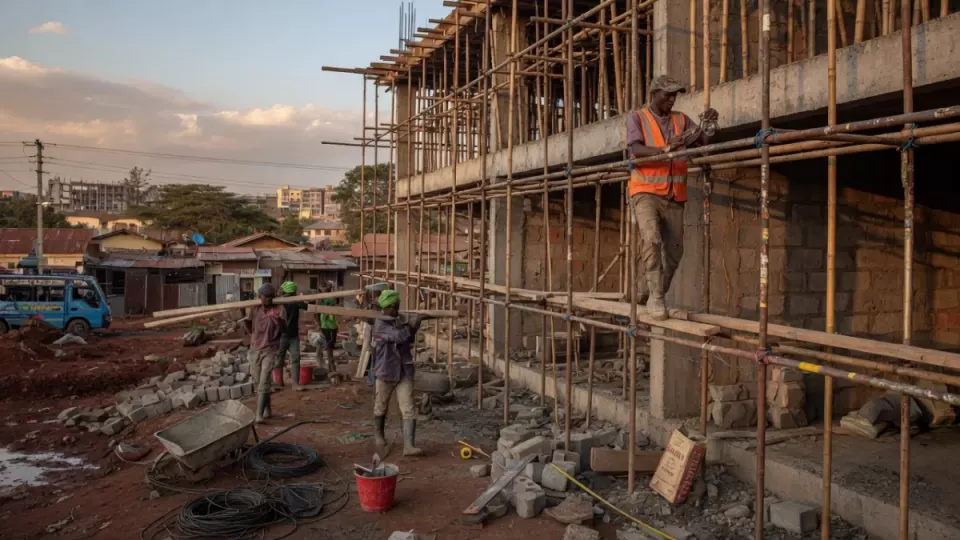
Nairobi's affordable housing boom created specialized design niche focused on maximizing compact spaces in developments like Tatu City, Two Rivers, and Kenyatta National Hospital residential projects. Designers including SanctumSpace Interiors and Nairobi Space Solutions report 340% project volume increase since 2022, addressing demand from young professionals and families purchasing first homes averaging 65-120 square metres. Budget constraints (KES 150,000-400,000 per unit) contrasted with requirements for multi-functional spaces demand innovative solutions distinguishing professional-designed affordable apartments from generic developer-standard finishes.
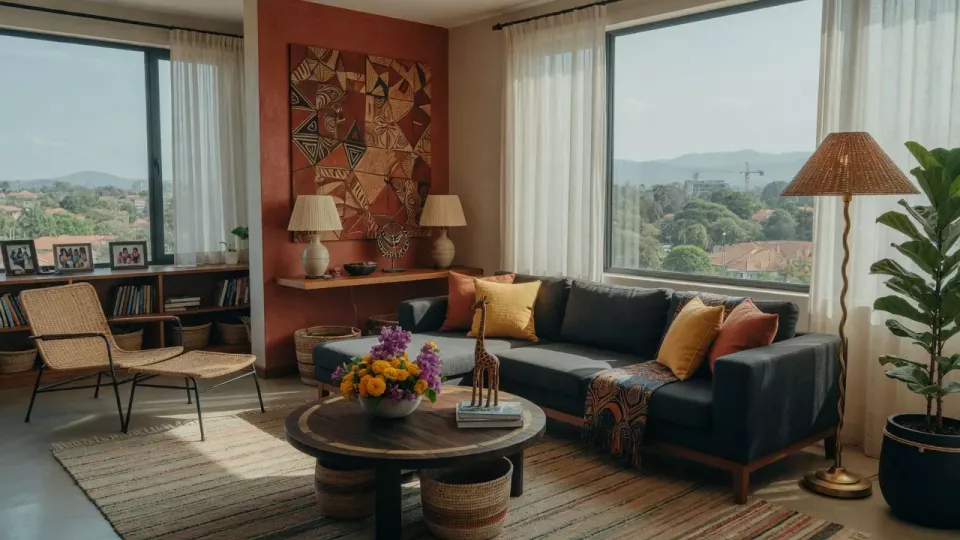
Key strategies include wall-to-wall storage solutions maximizing vertical space, murphy beds and fold-down desks enabling bedroom-office duality, and open floor plans eliminating unnecessary walls. Kitchens integrate dining surfaces doubling as work areas, reducing footprint. Lighting design emphasizes layered schemes?ambient, task, and accent lighting?creating spatial illusion of larger dimensions. Reflective surfaces, mirrors, and light color palettes (80% white/cream walls) enhance perceived space. Multifunctional furniture from local manufacturers (KES 8,000-35,000 per piece) replaces traditional separate beds, sofas, and desks, reducing unit quantities while maintaining comfort and storage.
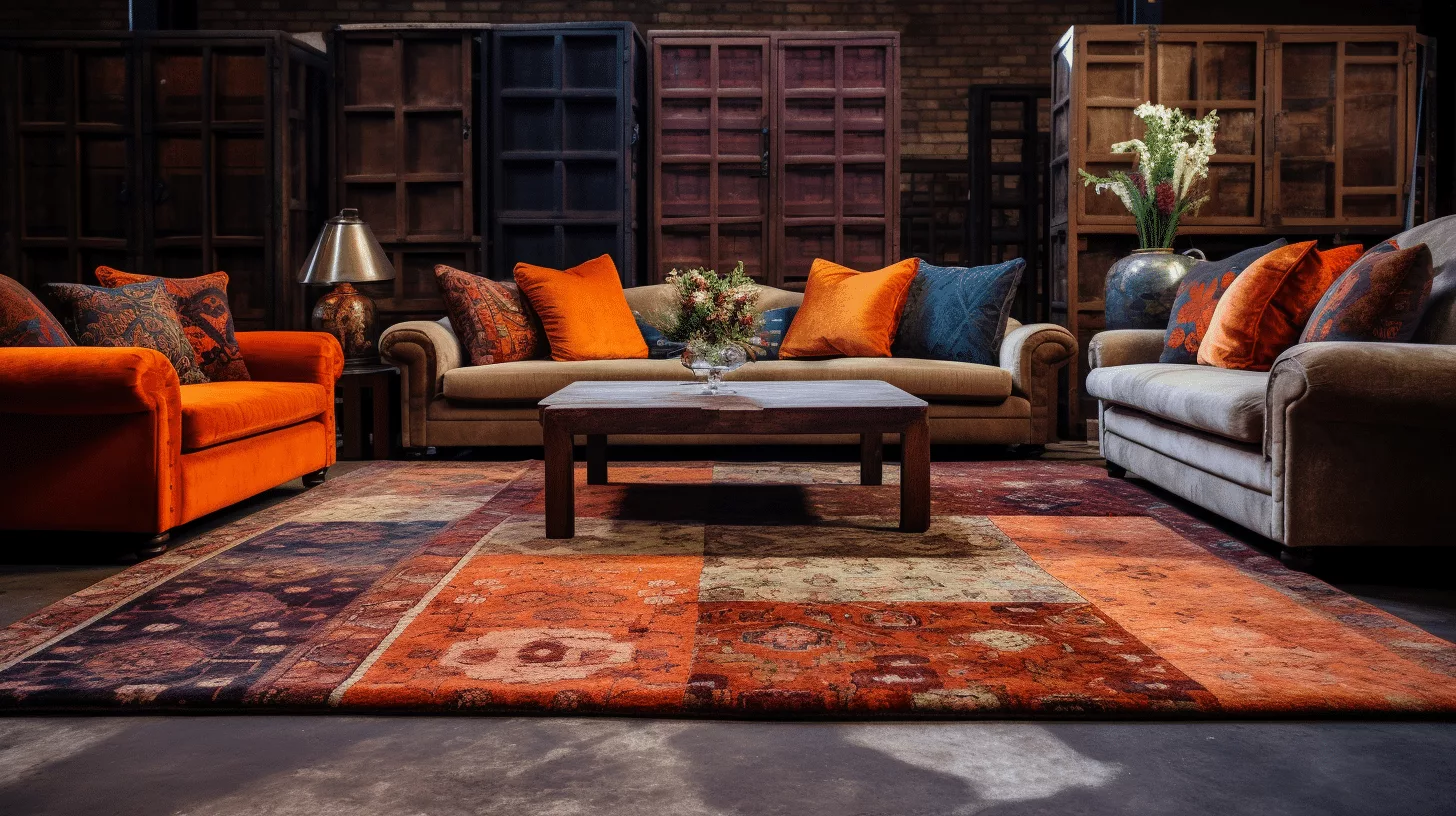
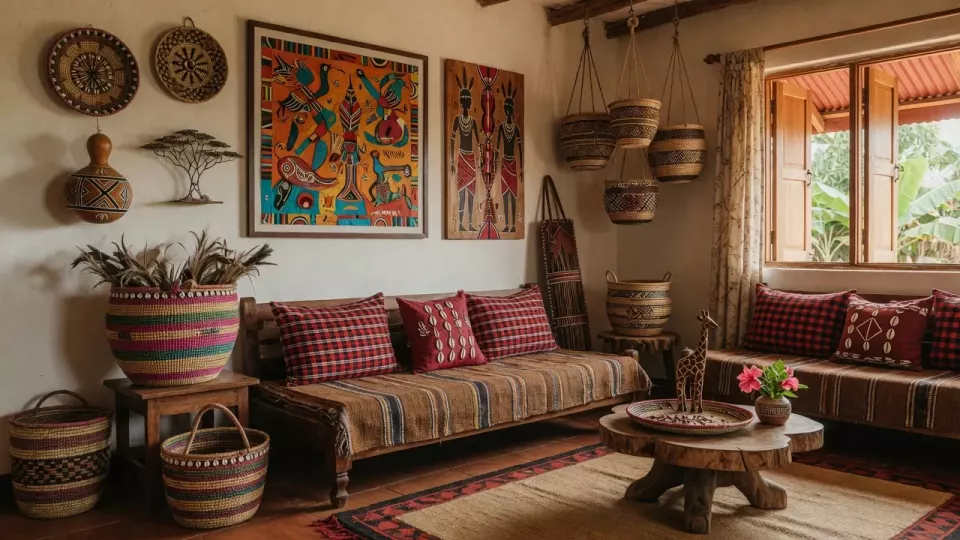
Material selections emphasize durability and low maintenance: vinyl flooring and ceramic tile withstand high traffic, require minimal upkeep compared to carpeting in limited spaces. Laminate cabinetry and engineered wood reduce costs while maintaining aesthetic appeal. Textiles provide color and warmth through curtains, area rugs, and throws, changeable seasonally without renovation expenses. Developers increasingly offer design packages as differentiators, partnering with design firms to provide standard interior schemes. Units with professional designs command rental premiums of 12-18%, recovering investment within 18-24 months, incentivizing affordable housing quality.
Sustainability consciousness influences material choices even in budget-constrained projects. Recycled or reclaimed materials reduce costs while addressing environmental concerns. Water-efficient fixtures, LED lighting, and thermal insulation improve operating costs despite initial installation expenses. Affordable housing residents, often young professionals with environmental awareness, appreciate sustainable finishes. Industry data suggests professionally-designed affordable housing units retain value 15-22% better than developer-standard equivalents during resale. Design accessibility benefits extend beyond aesthetics: thoughtful spatial planning reduces stress, improves mood, and supports wellbeing?outcomes valuable across income levels.