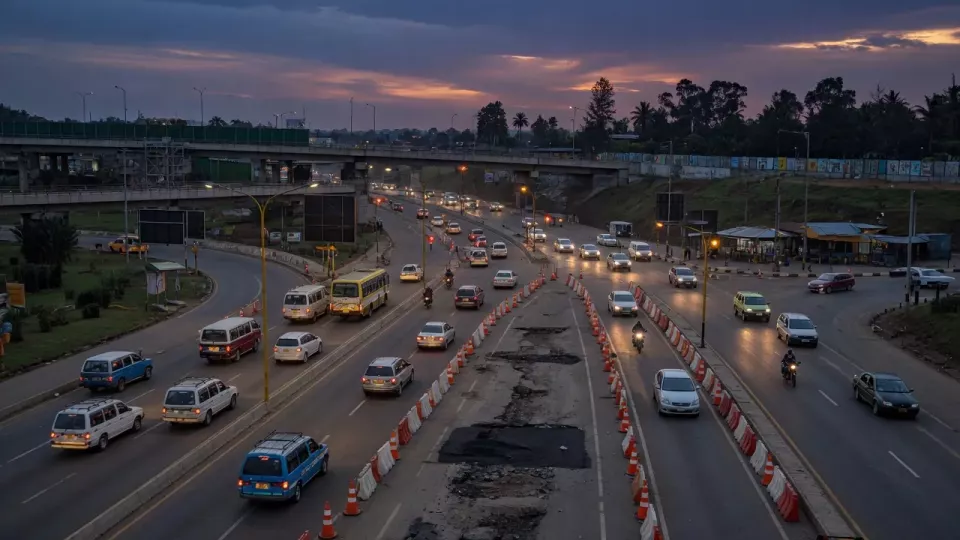
Murban spike and thin subsidy buffer put Kenya fuel prices back under pressure
Key points
- Global crude briefly topped about $112/barrel before easing; Murban — Kenya's import benchmark — rose more than 22% in days.
- Rule-of-thumb cited: about Sh2.6/litre in Nairobi per $1 Murban move; a large spike could add tens of shillings if fully passed through.
- EPRA cycle 15 July–14 August held Nairobi petrol Sh214.03, diesel Sh222.86, kerosene Sh191.38 via 8% petroleum VAT and Sh945m levy support.
- CS Wandayi: supply stable to end-July under G-to-G; subsidy outlays since April exceed Sh20bn with multi-billion arrears still outstanding.
Kenya's fuel bill is again a political timer. After global crude spiked past about $112 (roughly Sh12,500) a barrel on Middle East escalation fears before easing toward the high $80s, the Standard reported fresh pressure on pump economics just over a year from the next national vote.
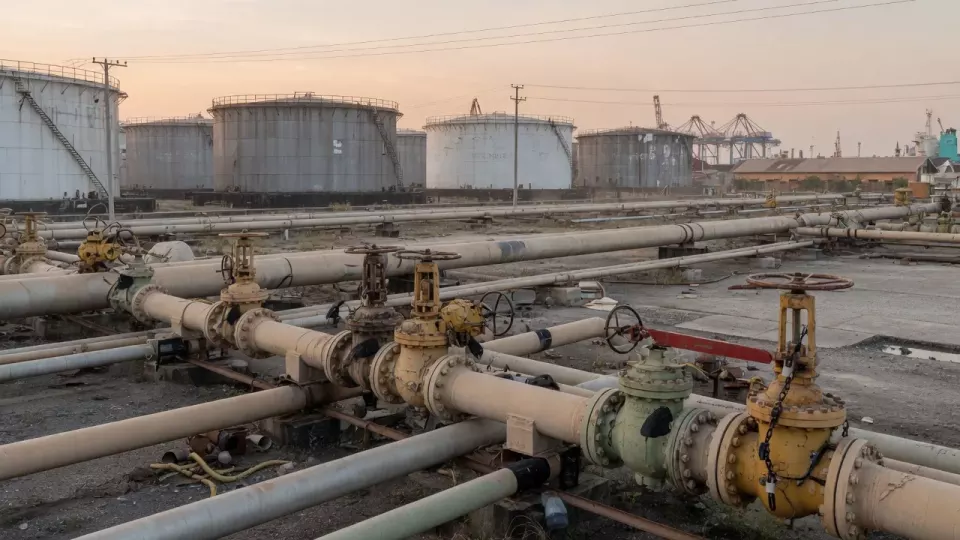
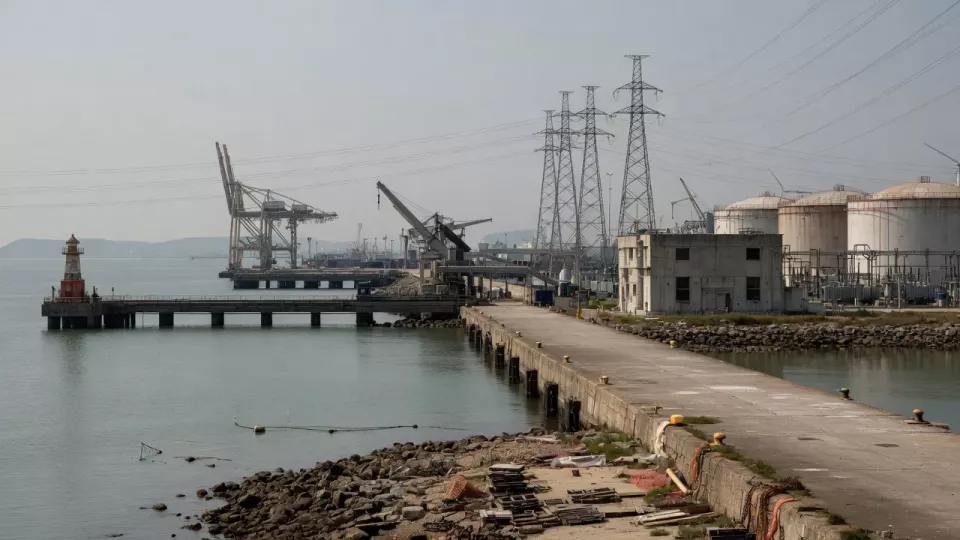
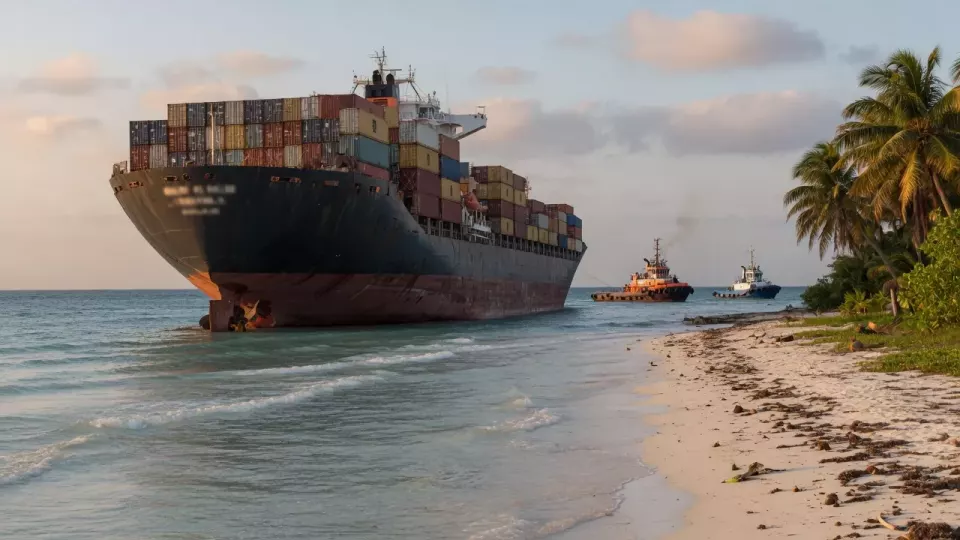
For importers the sharper local signal is Murban, the crude grade Kenya uses as its main price benchmark. That marker jumped more than 22 per cent within days as Houthi threats around the Red Sea stacked on top of Hormuz-related risk. Shipping chokepoints matter because Kenya is an import-dependent market: tanker routes and insurance premia feed landed cost before EPRA's formula ever prints a sticker price.
How a barrel becomes a litre
Energy analysts quoted in the report put a working rule near Sh2.6 per litre in Nairobi for every $1 move in Murban. On that arithmetic, a $22-class jump could theoretically add more than Sh57 a litre if fully passed through — a headline risk, not an automatic next-cycle decree, because taxes, levies and any remaining subsidy still sit between import parity and the pump.
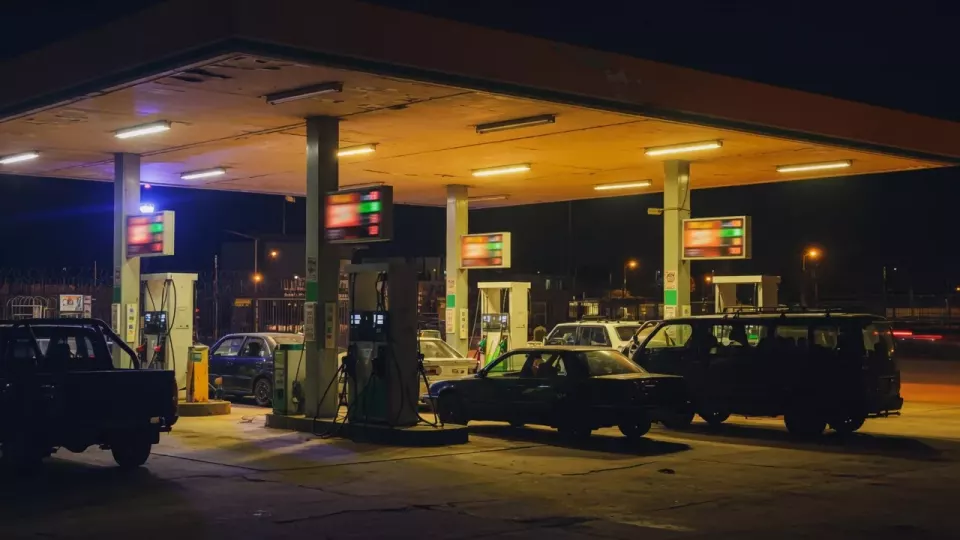
In the pricing window running 15 July to 14 August, the Energy and Petroleum Regulatory Authority kept Nairobi pump markers at about Sh214.03 petrol, Sh222.86 diesel and Sh191.38 kerosene. That calm depended on an extended reduced eight per cent VAT on petroleum products plus about Sh945 million drawn from the Petroleum Development Levy — tools that buy time, not a permanent wall against world prices.
Subsidy tank running low
Energy Cabinet Secretary Opiyo Wandayi said supply under the government-to-government arrangement looked stable through end-July 2026. The harder fiscal fact is cumulative support: subsidy spending since April is put above Sh20 billion, with arrears still estimated around Sh17 billion after partial payments that left roughly Sh10 billion outstanding for a recent cycle. When the buffer thins, the mid-August EPRA review becomes a sharper political choice if Murban stays elevated.
Energy & transport desk: Energy & Transport. KNBS already showed transport inflation hot even as headline inflation eased; the World Bank has also cut Kenya's 2026 growth outlook on higher global energy prices. Households will score the next EPRA print faster than any communiqué about distant straits.
Until Murban cools or a rebuilt levy buffer appears, Kenya is managing imported volatility with temporary fiscal sandbags. A transparent weekly Murban-to-pump bridge note — crude, freight, tax, subsidy used, arrears left — would let motorists see which lever moved before the next mid-month decision.
Based on Standard reporting of crude moves, EPRA prices and Energy ministry subsidy remarks. EPRA gazettes and Treasury cash releases control formal pump prices and fund balances.