
Why young mothers still struggle to return to school in Kenya
Key points
- Kenya has long had a re-entry policy for adolescent mothers, but practice lags policy.
- Nation.Africa gender reporting highlights faith norms and stigma as major barriers.
- Keeping girls in school cuts poverty cycles and improves child health outcomes.
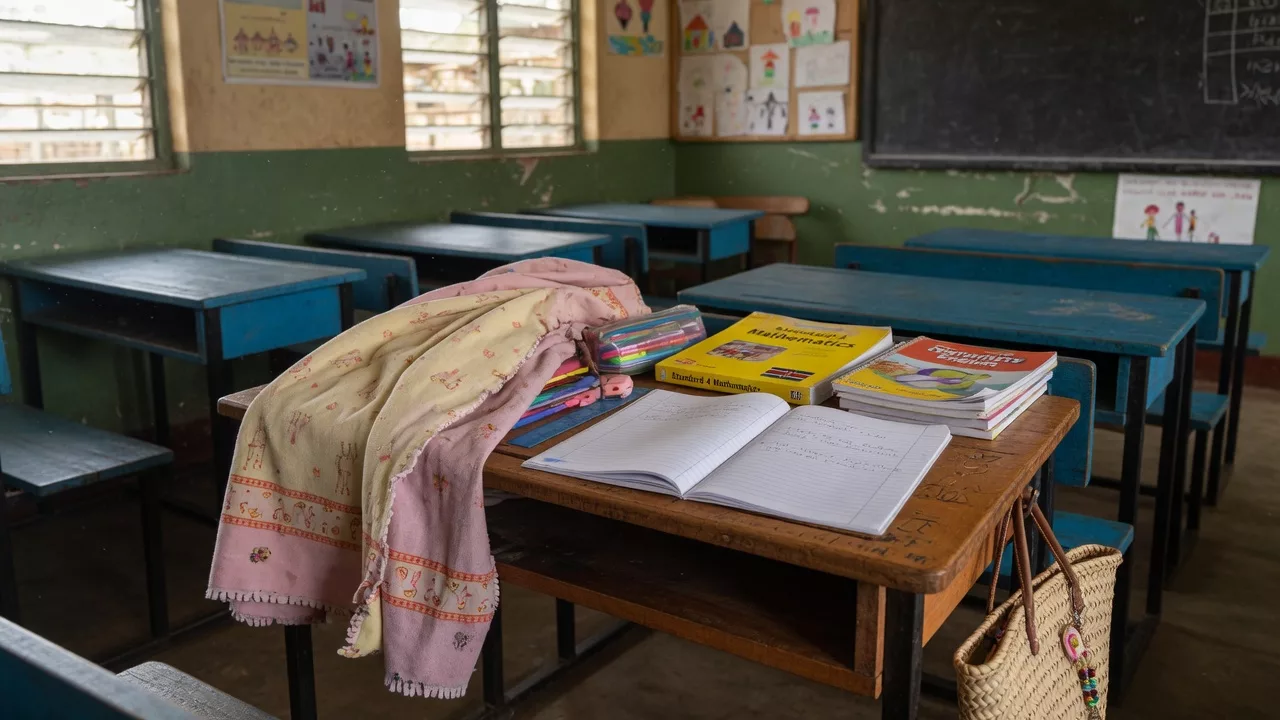
Policy on paper is not the same as a desk in a classroom. Nation.Africa reports that three decades after Kenya introduced a school re-entry policy for young mothers, many girls still never return — blocked less by the law than by faith interpretations, family shame and community stigma.
The re-entry framework was meant to ensure pregnancy does not end education. In practice, head teachers, boards of management, parents and religious leaders can quietly discourage return. Girls face whispers, blame, childcare gaps and the cost of uniforms after months away.
Where the barriers sit
Social norms often frame teenage pregnancy as a moral failure of the girl alone, ignoring coercion, poverty and lack of contraception information. Faith communities can be protective — or exclusionary — depending on leadership. When pulpits and staffrooms treat returnees as contamination risks, policy collapses at the school gate.
Schools that succeed usually combine clear ministry circulars, counselling, flexible timetables and community champions who publicly walk young mothers back into assembly.
What must change
Enforcement of re-entry rights, teacher training, bursaries that include childcare support, and accountability when schools illegally turn girls away. Parents need accurate information: the law is on the learner’s side.
Education contacts: directory. More education explainers: Guides.
Synthesised from public gender/education reporting and long-standing policy context.