Auditor General Flags Sh30 Billion Eurobond Diversion to Cover Domestic Debt Shortfall
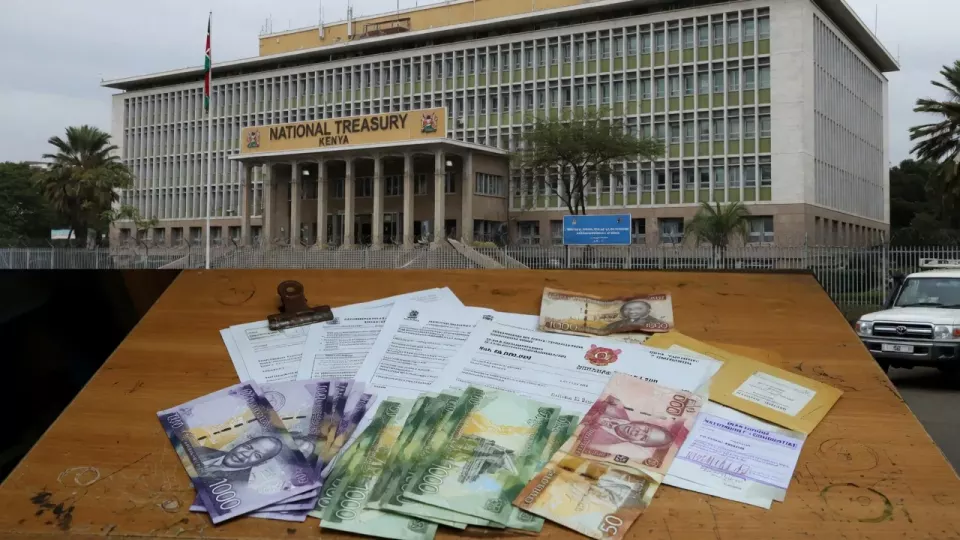
Kenya's National Treasury is under fresh scrutiny over the management of sovereign borrowing after Auditor General Nancy Gathungu raised concerns that Sh30 billion drawn from a $1.5 billion Eurobond issued in January 2025 was reportedly redirected to cover shortfalls in domestic debt repayments — a purpose that auditors say fell outside the terms of the bond's subscription agreement.
Key points
- Auditor General Nancy Gathungu flagged Sh30 billion from a $1.5 billion Eurobond as allegedly diverted to domestic debt.
- The January 2025 Eurobond was issued at 9.5% interest, equivalent to approximately Sh193.9 billion.
- Of Sh188.35 billion raised, only Sh78.32 billion was directed to buying back the maturing $900 million bond.
- Auditors say the diversion breached the Eurobond's subscription agreement terms.
The Eurobond, equivalent to approximately Sh193.9 billion at an exchange rate of Sh129.25 to the dollar, was issued at an interest rate of 9.5 per cent for amortising notes due in 2026. According to The Standard, which first reported the story, the Treasury's resource mobilisation department sought Cabinet approval in early January 2025 for what it described as a "liability management operation," with the stated objective of buying back a maturing $900 million Eurobond valued at an estimated Sh116.33 billion.
Gathungu's latest audit report reveals a significant discrepancy in how the proceeds were ultimately applied. Of the Sh188.35 billion realised from the issuance, only Sh78.32 billion was directed toward the buyback of the maturing Eurobond, leaving approximately Sh110 billion retained in government accounts.
Internal memo reveals April diversion
An internal Treasury memo dated May 6, 2025, addressed to the Director General of the Public Debt Management Office, reportedly disclosed that Sh30 billion from those remaining proceeds had been deployed on April 7, 2025, to meet obligations arising from Treasury Bond shortfalls — pending the anticipated disbursement of external resources. The subscription agreement governing the sovereign bond, auditors argue, explicitly restricted proceeds to the refinancing or buyback of external debt, making the deployment toward domestic obligations a potential contractual breach.
"The utilisation of the sovereign bond proceeds to cover for shortfalls arising from Treasury Bond was a breach of the subscription agreement," the audit report states, as cited by The Standard.
Gathungu's office further noted that auditors were unable to confirm whether the Sh30 billion was ever reimbursed once the expected external inflows materialised, leaving an unresolved accountability gap in the public debt management record for the period.
The findings add to a broader body of audit concerns around Kenya's debt management practices at a time of sustained pressure on the Treasury to demonstrate fiscal discipline to both domestic creditors and international investors. Kenya continues to navigate elevated debt service costs and tight liquidity conditions, making the precise application of sovereign borrowing proceeds a matter of particular public interest.
The National Treasury had not issued a public response to the specific findings at the time of publication. The Standard, which first reported the audit findings, cited Gathungu's report as the primary basis for the diversion allegation. The Public Debt Management Office, named in the internal memo disclosed in the audit, had also not publicly commented on the matter.
Sources: The Standard.