How Tax Policy and Diesel Costs Are Squeezing Kenya's Manufacturers
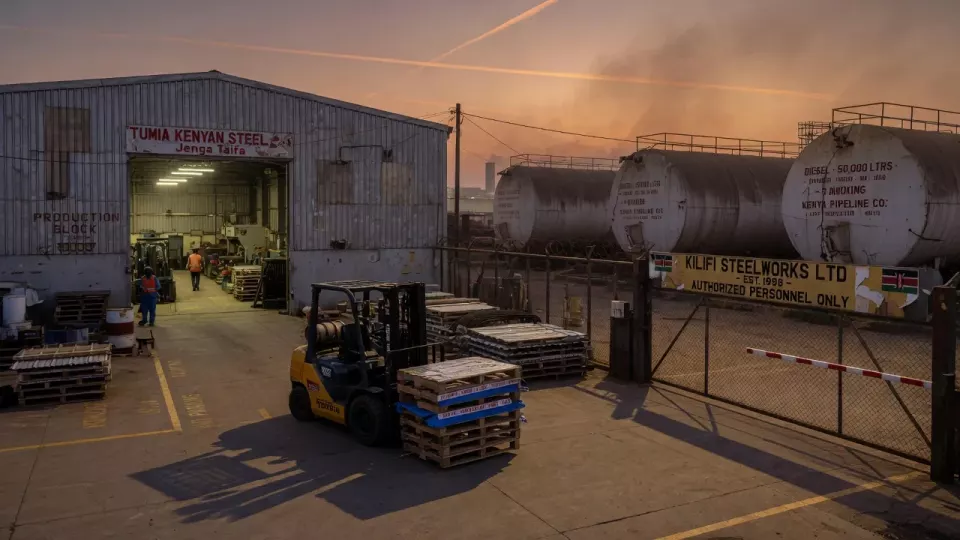
Kenyan manufacturers are navigating a collision of pressures that a Nation.Africa columnist argues is increasingly difficult to absorb: a shift in tax policy that severs their ability to recover production-related costs, compounded by diesel prices that have climbed sharply throughout 2026.
Key points
- Kenya's Finance Act 2026 reclassified pharmaceutical manufacturing inputs from zero-rated to exempt VAT status from July 2026.
- Exempt status strips manufacturers of the right to reclaim VAT paid on production inputs, unlike zero-rated goods.
- Section 17A requires repayment of previously claimed input VAT on work-in-progress at the point of reclassification.
- Sharply rising diesel prices throughout 2026 compound the tax-driven cash-flow pressure on Kenyan manufacturers.
A Technical Distinction With Real Costs
At the centre of the tax debate is a distinction that may appear technical but carries tangible financial weight. Under Kenya's Value Added Tax framework, goods classified as zero-rated allow businesses to reclaim the VAT paid on raw materials and other production inputs. Goods classified as exempt do not. The Finance Act 2026 moved pharmaceutical manufacturing inputs from the zero-rated to the exempt schedule, effective July 2026 — a change the Nation.Africa analysis describes as quietly significant for local producers.
The Cash-Flow Trap in Section 17A
The columnist highlights a specific mechanism that deepens the impact. Where manufacturers had already claimed input VAT on raw materials and work-in-progress before the reclassification took effect, a new statutory provision — Section 17A — requires them to repay that tax in the period the exemption comes into force, regardless of whether the finished goods have been sold. The result, the analysis argues, is a cash-flow obligation imposed on a business before it has received any revenue to match it: a hit realised before value is realised in the market.
For pharmaceutical manufacturers, the implications extend beyond a compliance adjustment. The absorbed, irrecoverable VAT raises effective production costs, which either compress margins or feed through to higher medicine prices — or both. The Nation.Africa columnist contends that a measure which looks revenue-positive in the tax ledger can prove competitiveness-negative on the factory floor, a dynamic that harder policy scrutiny at the drafting stage might have identified earlier.
Diesel Adds Pressure at Every Stage of Production
Diesel costs layer an additional burden onto the same industrial base. Fuel is embedded throughout the manufacturing chain — powering generators, kilns, logistics fleets, and distribution networks — meaning that pump-price movements translate directly into factory overheads. Kenya's diesel price has risen markedly in 2026, and the country's fuel tax structure, in which levies account for a substantial share of the retail price, limits the degree to which any easing in global energy markets feeds through to domestic industry. The Nation.Africa analysis notes that Kenya's fuel-cost position compares unfavourably with several regional peers, a disadvantage that weighs on manufacturers competing in cross-border markets and against cheaper imported goods.
A Crisis That Arrives Before the Product Does
The combined effect, the columnist argues, is that policy can now trigger a cash-flow crisis at the factory gate before a single unit of output has been priced and sold in the market. For industries already operating on tight working capital — where input procurement, production cycles, and payment terms stretch across weeks or months — the timing of a tax obligation matters as much as its size.
The Nation.Africa analysis calls for harder questions at the policy design stage: specifically, whether a proposed change raises landed costs, working capital requirements, and barriers to local value addition simultaneously. If the answer is yes on all three counts, the piece argues, the measure deserves reconsideration before it reaches the statute book — not after manufacturers have already absorbed the cost.
Sources: Nation.Africa.