Every Kenyan Owes Sh240,740: Why Civil Society Wants the Debt Crisis at the Dinner Table
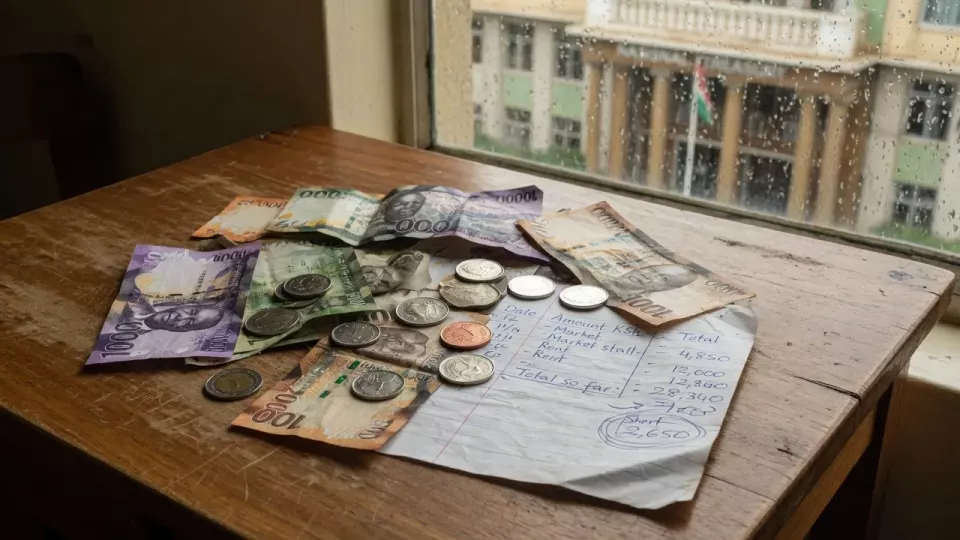
Kenya's public debt has crossed a historic threshold, hitting Sh13.0 trillion — and a coalition of civil society organisations wants every Kenyan to understand exactly what that number means for them personally.
Key points
- Kenya's public debt has reached Sh13 trillion, equal to approximately Sh240,740 per citizen.
- For Kenya's 21.6 million working citizens, the individual debt share rises to Sh601,851, more than many households earn in a year.
- A coalition including AHF Kenya, HENNET, HERAF, and NEPHAK launched the 'Freedom from Debt' campaign on July 1, 2026.
- The coalition declared the debt level a public health emergency, arguing it directly causes hospitals to run short of medicine.
If that burden were shared equally across the population, from newborns to the elderly, each person would carry a debt of approximately Sh240,740, according to figures reported by The Standard. For the country's 21.6 million working Kenyans, the individual share rises to Sh601,851 — more than many households earn in a year.
A number that touches every dinner table
The phrase "dinner table" is deliberate. A coalition led by the AIDS Healthcare Foundation (AHF) Kenya, alongside the Health NGOs Network (HENNET), the Health Rights Advocacy Forum (HERAF), and the National Empowerment Network of People Living with HIV/AIDS in Kenya (NEPHAK), launched the "Freedom from Debt" campaign on 1 July 2026, declaring Kenya's fiscal situation a public health emergency. Their central message: debt is not an abstract Treasury problem — it is the reason hospitals run out of medicine.
"Kenya is paying nine times in debt what it is investing in health," the coalition said at the campaign launch. Shortages of HIV testing kits, antiretroviral drugs, and pediatric vaccines have been recorded nationwide, they warned, directly linked to a government budget squeezed by debt repayment obligations.
Sh70 of every Sh100 goes to creditors
The numbers behind that warning are stark. Kenya's debt servicing now consumes an estimated Sh70 of every Sh100 the government collects in ordinary revenue, according to The Standard — far exceeding the International Monetary Fund's 30 per cent sustainability benchmark. In absolute terms, debt service absorbed approximately Sh1.72 trillion in the last fiscal year, with the Controller of Budget Dr Margaret Nyakang'o cautioning against a "vicious cycle of debt accumulation" in which new borrowing is used mainly to repay old loans rather than to reduce the principal.
Kenya's Sh13.02 trillion total breaks down as Sh7.24 trillion in domestic obligations and Sh5.78 trillion owed externally. A $2.25 billion Eurobond issued in February 2026 added to the external pile even as the government pledged to stabilise overall borrowing.
What civil society is demanding
The groups are not calling on Kenya to walk away from its creditors. Their demands focus on transparency and accountability: a public debt register listing every loan and its terms; mandatory public consultation before new borrowing is approved; automatic suspension of debt repayments during declared public emergencies; and a continental borrowers' forum that would give African nations collective leverage in negotiations with lenders. The "Freedom from Debt" campaign is simultaneously active in roughly 50 countries and is pushing for reforms to the global credit-rating system that, civil society says, penalises developing economies with inflated borrowing costs.
For ordinary Kenyans, the coalition says the simplest starting point is awareness. When a household finds its budget tighter than last year — from higher taxes, costlier food, or a clinic with no medicine — Kenya's Sh13 trillion debt is part of the explanation. Knowing that, the groups argue, is where the demand for accountability must begin.
Sources: The Standard.