Kenya warns Houthi Red Sea threats could push up fuel prices
Key points
- Kenya has raised concern over Houthi threats linked to the Red Sea shipping corridor.
- Officials warn a worse security situation could feed into higher fuel prices and broader import costs.
- Kenya’s energy and goods supply chains remain sensitive to global shipping risk and oil market swings.
- Practical takeaway: Households and transporters should watch the next EPRA pump-price window and avoid panic bulk-buying that worsens local shortages.
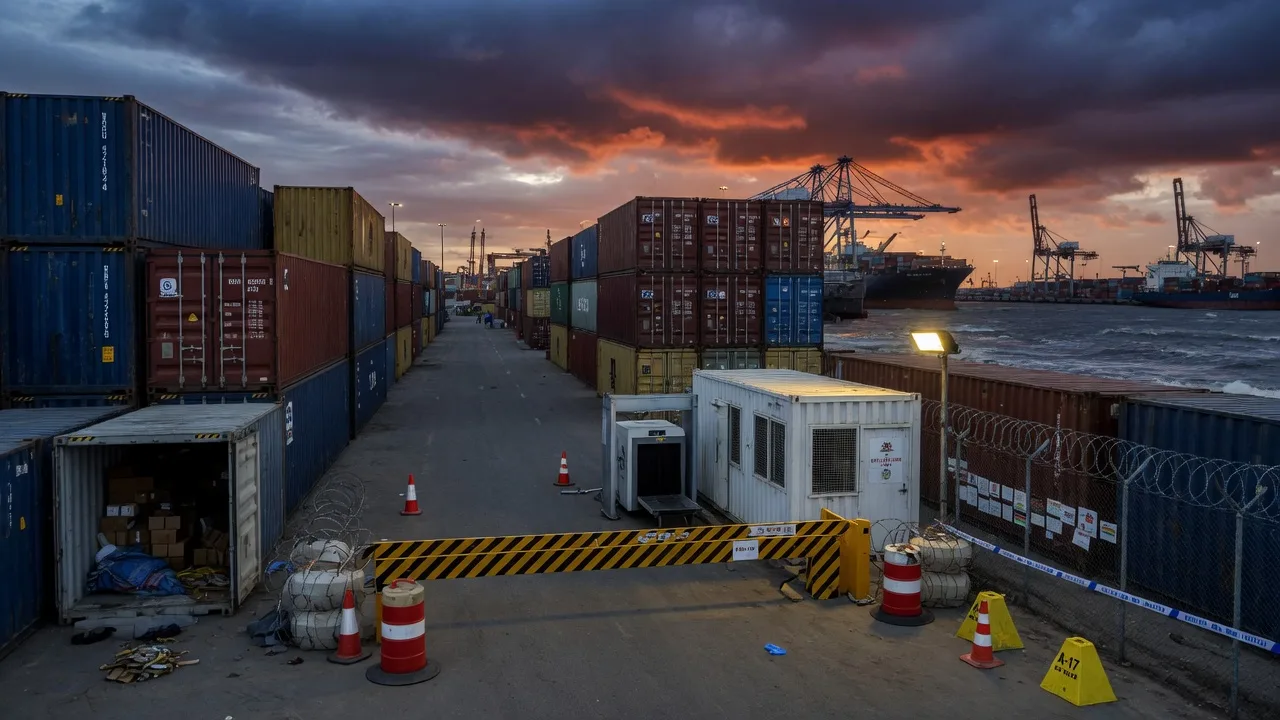
Kenya has publicly raised the alarm over Houthi-related threats to traffic through the Red Sea, according to reporting by Nation.Africa, warning that a deteriorating security picture in the corridor could feed into higher fuel prices and costlier imports.
The Kenya angle
Kenya does not sit on the Red Sea, but its economy feels distant shipping shocks quickly: refined fuel logistics, freight rates, insurance premiums, and the shilling’s import bill all move when major sea lanes look risky. Policymakers have already been managing fuel subsidy and pricing politics; a fresh external shock complicates that balancing act.
What households and businesses may feel
- Pump price pressure if global crude and freight jump together.
- Higher costs for imported consumer goods and industrial inputs.
- Secondary effects on air and road transport margins.
ZaKenya readers should treat early diplomatic warnings as a risk signal, not a fixed price forecast. Actual pump prices still land through local regulation and market schedules — watch official EPRA communications rather than social media rumours.
Sources: Nation.Africa. ZaKenya summary for readers in Kenya; verify details on original reports.