
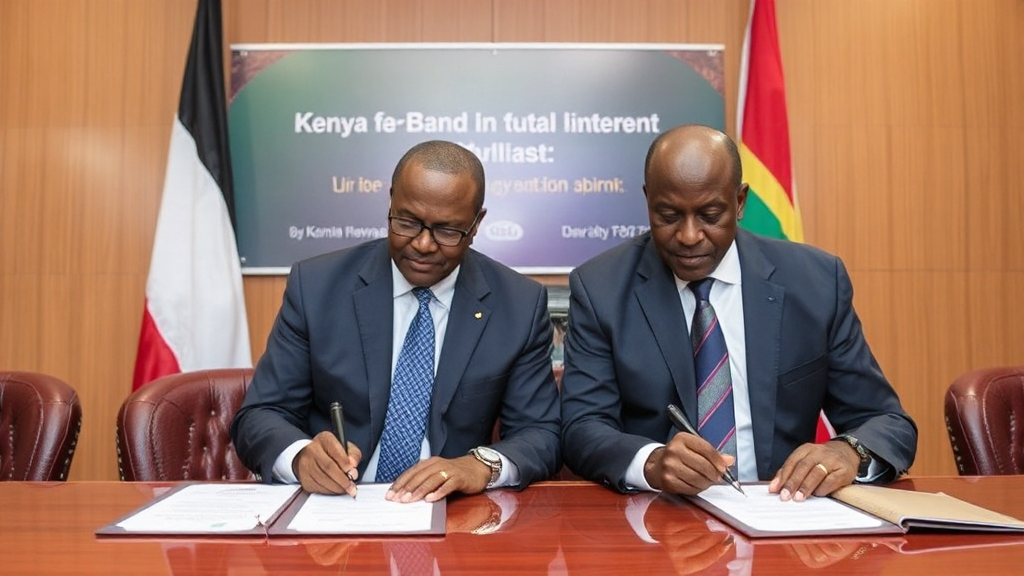
KCB Group, Kenya’s largest bank by assets, has completed the acquisition of a 70 per cent controlling stake in Banque Commerciale du Congo (BCC), marking the lender’s entry into the Democratic Republic of Congo and extending its regional network to ten countries across Eastern and Central Africa. The deal, valued at approximately $95 million (Ksh 11.9 billion), was concluded after eighteen months of regulatory approvals in both Nairobi and Kinshasa and is expected to be earnings-accretive within three years.
KCB Group CEO Paul Russo described the acquisition as a “defining moment” in the bank’s continental ambitions. “The DRC is the economic frontier of Central Africa — it has a population of over 100 million people, vast mineral wealth, and a banking penetration rate of under 12 per cent. For KCB, this is not just another acquisition; it is a strategic pivot towards the markets that will define African banking in the next two decades,” he told analysts at a results briefing in Nairobi.
Why the DRC, and Why Now?
The timing of the acquisition is closely linked to the deepening of East African Community (EAC) integration. The DRC’s accession to the EAC in 2022 has gradually unlocked trade corridors between Kinshasa, Goma, and the East African hubs of Nairobi, Kampala, and Dar es Salaam. Kenya’s new infrastructure investments — including the extension of SGR-linked logistics chains and the upgrading of the Northern Corridor — have made the DRC more commercially accessible than at any point in recent history.
The mining sector is a particular draw. The DRC is the world’s leading producer of cobalt and a major source of copper, coltan, and lithium — minerals that are increasingly central to the global green energy transition. Kenyan and East African trading firms have been expanding their presence in Katanga and the Kasai provinces, and demand for dollar-clearing, trade finance, and project finance services is growing rapidly. KCB’s existing expertise in commodity trade finance positions it well to serve this clientele.
Equity Bank, KCB’s domestic rival, has operated in the DRC since 2015 through its Equity BCDC subsidiary — one of the country’s largest banks. KCB’s entry therefore intensifies the Kenyan banking contest on Congolese soil, a dynamic that analysts say will ultimately benefit Congolese consumers through more competitive pricing and product innovation.
Integration Plans and Regulatory Landscape
BCC currently operates 34 branches concentrated in Kinshasa, Lubumbashi, and Goma, with a balance sheet of approximately $620 million. KCB intends to double the branch network within five years and launch mobile banking services that leverage the bank’s KCB Mobi platform. The group also sees significant opportunity in agency banking — replicating the model it has deployed successfully in Kenya, Rwanda, and Uganda.
The DRC’s banking regulator, the Banque Centrale du Congo (BCC regulator), has imposed conditions including localisation of senior management and a requirement to maintain minimum capital ratios above the statutory floor for the first three years of KCB’s ownership. KCB has appointed a Congolese national as managing director of the acquired entity, a move the group says reflects its commitment to local talent development.
Currency risk remains a significant consideration. The Congolese franc has historically been volatile, and the DRC economy is heavily dollarised, meaning that a large proportion of transactions and lending is conducted in US dollars. KCB’s treasury team has indicated it will manage the exposure through a combination of natural hedging and derivatives instruments.
For Kenya’s broader financial sector, the acquisition underscores the increasingly outward-looking character of Nairobi’s banks. KCB, Equity, Co-operative, and NCBA collectively now operate in more than 20 African countries, generating a growing share of group profits from outside Kenya — a trend that analysts say will continue as domestic margins face pressure from digital disruption and intensifying fintech competition.

0 comments