
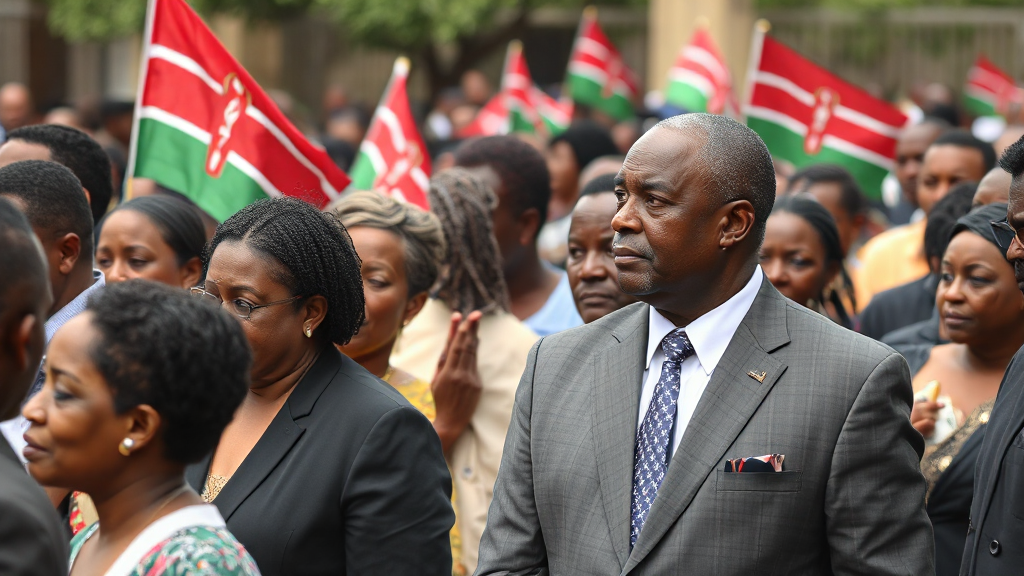
A coalition of Kenyan professionals, academics, and community leaders based in the United Kingdom has launched a sustained legal and political campaign to secure full dual-citizenship rights, pushing the Kenyan government to remove constitutional restrictions that continue to treat naturalised foreign nationals as second-class citizens in their country of birth. The movement, coordinated under the banner of Kenyans in the UK (KUK), has gathered more than 40,000 signatories on a petition submitted to the National Assembly’s Committee on Delegated Legislation and Foreign Affairs in June 2026.
At the heart of the dispute is Article 78 of Kenya’s 2010 Constitution, which bars individuals holding citizenship of another country from being elected to the National Assembly, the Senate, county governorships, or the presidency. A separate provision in the Land Act is interpreted by many county registries as restricting freehold land ownership by dual nationals. KUK argues that these provisions effectively punish Kenyans for decisions made in the national interest — earning foreign qualifications, remitting hard currency, and building professional networks that benefit Kenya — while offering nothing in return.
A Growing Diaspora Voice
The United Kingdom hosts an estimated 130,000 to 160,000 Kenyans, making it the largest Kenyan diaspora community outside the African continent. The community remitted approximately $520 million to Kenya in 2025, according to Central Bank of Kenya data, accounting for nearly a fifth of total diaspora inflows. With the Gen Z political awakening that began with the June 2024 protests having fundamentally reset expectations about civic participation, many in the diaspora community are no longer content to be financial contributors without political voice.
“We send money home every month. We pay KRA taxes on rental income and business interests. We come back and invest in real estate,” said Dr. Grace Waweru, a consultant cardiologist based in Birmingham and one of KUK’s founding directors. “But we cannot stand for our local ward in Kiambu. We cannot title the land we built our mother’s house on. That is not citizenship — it is a financial transaction.”
The legal dimension of the campaign is being led by a team of Nairobi advocates, including senior counsel who argued landmark constitutional petitions during Kenya’s devolution era. A petition filed before the High Court in Milimani in May challenges the constitutionality of the public-office bar on equal-protection grounds, arguing that differentiated treatment of citizens based on their additional nationality status cannot survive the scrutiny of Article 27 of the Bill of Rights. A ruling is expected before the end of the year.
Government Response Measured but Not Dismissive
President Ruto’s administration has responded more warmly than many diaspora advocates expected, with Cabinet Secretary for Foreign Affairs Musalia Mudavadi acknowledging in Parliament in April that the legal framework governing dual citizenship was “a product of its time” and warranted a comprehensive review. Mudavadi commissioned a working group drawn from the State Law Office, the Diaspora Affairs Directorate, and civil society, with a report due to the Cabinet by October.
The political calculus is not straightforward. With the 2027 general election now less than 18 months away, any constitutional amendment requiring a referendum would be difficult to push through Parliament before the campaign season effectively begins. Government insiders acknowledge that a legislative fix — amendments to the Land Act and Elections Act — may be more achievable in the short term than a full constitutional overhaul, and could resolve the most practical grievances without triggering a broader referendum debate.
The Kenya Revenue Authority’s ongoing austerity-driven enforcement campaign has added a complicating layer. Several diaspora investors have complained of aggressive reassessments of rental income on properties they own through relatives, precisely because unclear dual-citizenship status complicates direct ownership structures. Treasury officials say the KRA’s mandate is compliance-neutral, but KUK leaders argue the enforcement falls disproportionately on the diaspora because their income is more visible to the authority.
Broader East African Context
Kenya’s debate mirrors wider shifts across the East African Community. Rwanda amended its nationality law in 2022 to allow diaspora members to hold land and business assets on equal terms with resident citizens. Uganda and Tanzania have taken more restrictive positions, though both are under EAC pressure to harmonise on freedom of movement. Kenyan advocates argue that failing to modernise its own framework risks ceding ground to Kigali as the preferred destination for high-skilled diaspora returnees — a competition that Kenya, given its size and economic weight, should not be losing.
The campaign will return to Westminster in September, where KUK has scheduled meetings with members of the House of Commons All-Party Parliamentary Group on Kenya to explore whether the UK government can formally raise the dual-citizenship issue during the next bilateral high-level dialogue. Whether or not those talks bear fruit, the movement has already changed the terms of debate in Nairobi — and shows no sign of quietening before 2027.

0 comments