
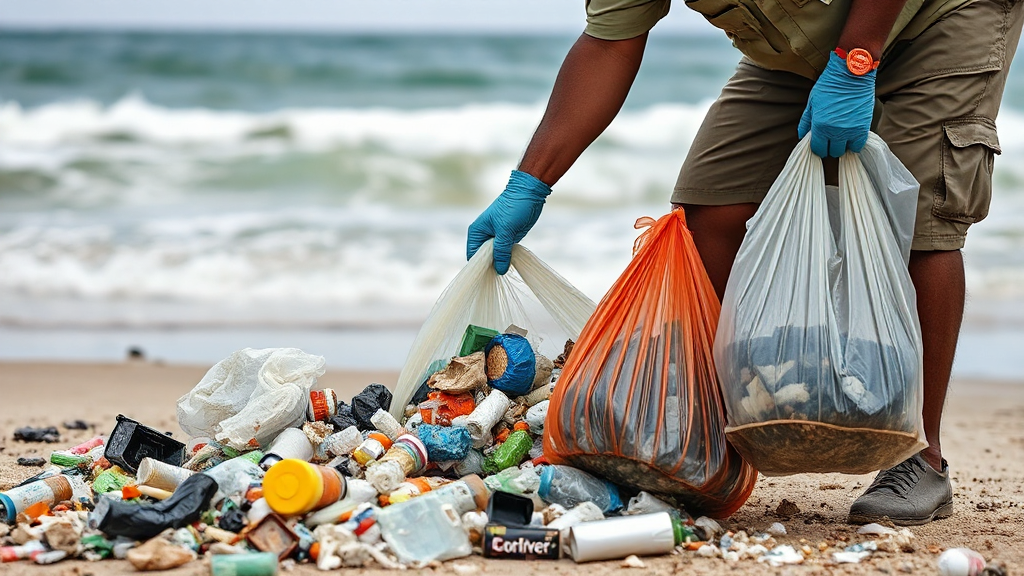
Kenya has moved decisively to eliminate single-use plastics from its most treasured natural spaces, with the Environment Ministry announcing a comprehensive ban covering all 22 national parks, 34 national reserves, and the entire Indian Ocean coastline stretching from Shimoni in the south to Kiunga Marine Reserve in the north. The regulation, which came into force on 1 July 2026, empowers Kenya Wildlife Service rangers and county beach management units to issue on-the-spot fines of up to Ksh 5,000 for individuals and Ksh 50,000 for commercial vendors found with prohibited items.
Environment Cabinet Secretary Roselinda Soipan Tuya described the measure as a natural evolution of Kenya’s 2017 plastic bag ban, which the United Nations Environment Programme has repeatedly cited as one of the world’s most effective single-item bans. “We closed the door on plastic bags nine years ago. Today we close the door on plastic bottles, straws, cutlery, and polystyrene packaging in every ecosystem that Kenyans and the world hold dear,” she said at a press briefing at Nairobi National Park, where rangers collected more than 400 kilograms of plastic waste in the week preceding the announcement.
Enforcement and the KWS Overhaul
The Kenya Wildlife Service, which has undergone significant restructuring under Director-General Erustus Kanga, will deploy an additional 600 rangers specifically tasked with environmental compliance at park entry points and popular beach stretches including Diani, Watamu, and Malindi. Visitors entering national parks will be required to surrender single-use plastic items at the gate, with facilities provided to transfer liquids into reusable containers. Tour operators and lodge owners who supply guests with single-use plastics face suspension of their KWS operating licences.
The announcement follows sustained pressure from youth environmental groups, many of them energised by the same civic consciousness that drove the June 2024 Gen Z protests against the Finance Bill. Organisations such as Eco Champs Kenya and the Coastal Youth Conservation Forum had collected over 180,000 signatures on a petition demanding the parks ban, delivering it to Parliament in March 2026. “The government that Gen Z held accountable on taxation must now be held accountable on the environment,” said Aisha Mwangi, 23, one of the petition coordinators. “Plastic kills wildlife, and wildlife is Kenya’s economic backbone.”
Tourism Revenue and the Economic Argument
The economic logic behind the ban is compelling. Kenya’s wildlife tourism earned Ksh 380 billion in foreign exchange in 2025, with marine tourism along the coast contributing a further Ksh 42 billion. Scientists at the Kenya Marine and Fisheries Research Institute have documented plastic ingestion in green turtles at Watamu, entanglement injuries in bottlenose dolphins off Kilifi, and microplastic contamination in coral polyps across the Malindi Marine National Park. A 2025 KMFRI report estimated that plastic pollution cost the Kenyan marine economy Ksh 6.2 billion annually in degraded fish stocks, compromised tourism appeal, and reef damage.
The Kenya Tourism Board has moved quickly to align marketing with the new regulation, launching a “Pure Kenya” campaign that positions the country’s parks and beaches as plastic-free destinations ahead of the 2028 Los Angeles Olympics, when Kenya expects a surge in international visitor interest. “Tourists coming to watch our athletes compete in LA will want to come and see where those athletes grew up,” said KTB Chief Executive John Chirchir. “They will expect clean beaches and pristine parks, and we intend to deliver exactly that.”
Suppliers and vendors operating concessions within park boundaries have been given a 90-day transitional window to exhaust existing plastic stock, after which all packaging must meet Kenya Bureau of Standards specifications for biodegradable or reusable materials. The Eco Alternatives Fund, capitalised at Ksh 500 million under the National Environment Management Authority, will provide low-interest loans to small vendors investing in compostable packaging equipment. NEMA Director-General Mamo Mamo confirmed that NEMA inspectors would conduct unannounced audits of all concessionaire kitchens and shops from October 2026.
Environmental advocates have broadly welcomed the ban while cautioning that enforcement consistency will be its true test. Kenya’s 2017 carrier-bag ban was initially undermined by uneven policing before a series of high-profile prosecutions in 2019 and 2020 shifted public behaviour. “The regulation is excellent. Execution is everything,” said Dr. Edna Wangui of the African Wildlife Foundation. “We will be watching the gate logs, the fine registers, and the quarterly plastic-weight data from every park to hold KWS accountable.” With the 2027 elections drawing closer, President Ruto’s administration appears eager to claim tangible environmental wins, and enforcement of the plastics ban is expected to remain a political priority well into next year.

0 comments