Ruto Signs Finance Bill 2026 Into Law as Kenya Braces for Protests
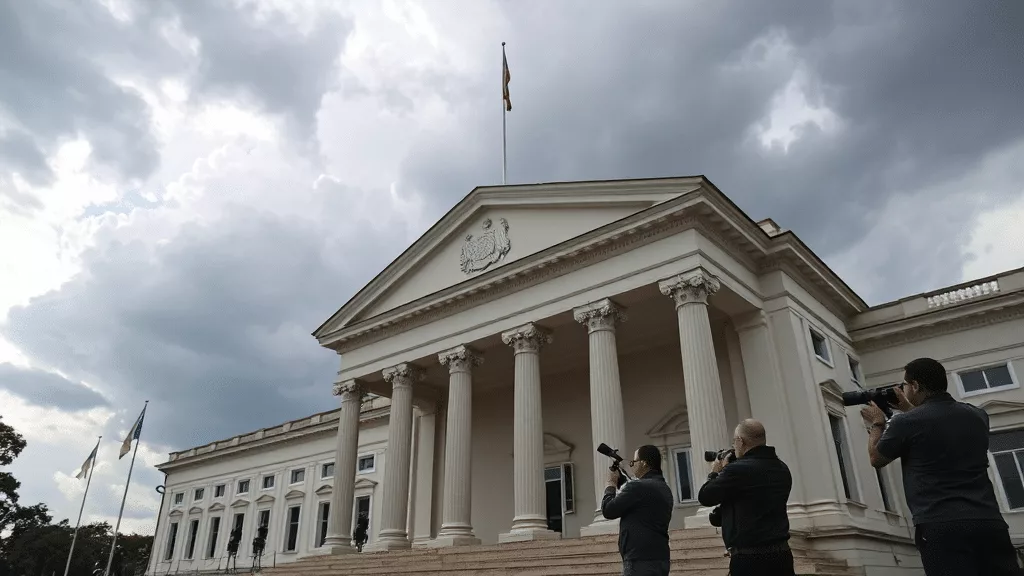
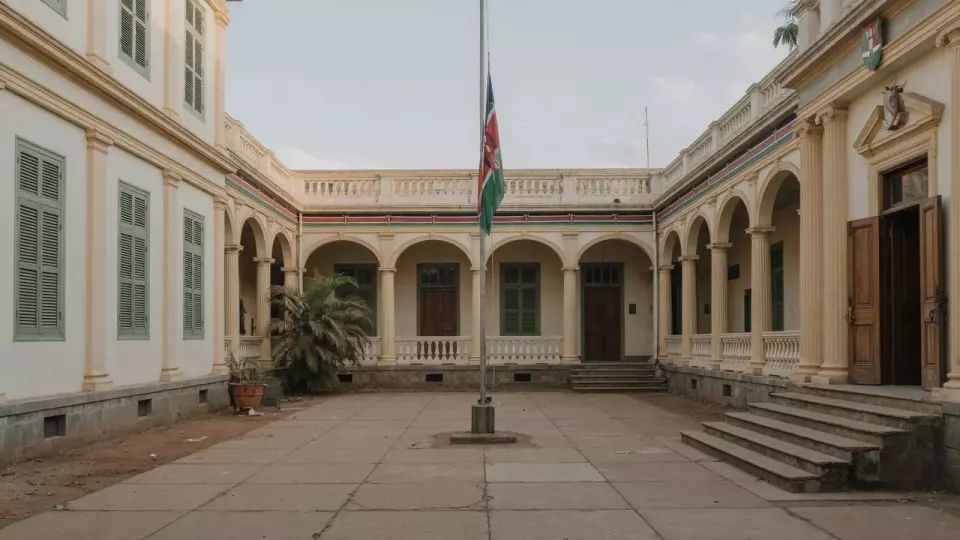
President William Ruto signed the Finance Bill 2026 into law on June 23, 2026, at State House Nairobi, formally authorizing the government to implement a record Ksh4.8 trillion national budget. The signing marks the culmination of a deeply contentious legislative process that has drawn sharp criticism from opposition leaders, civil society groups, and ordinary Kenyans already strained by the high cost of living.
Parliament passed the bill on June 18, 2026, in a vote that exposed significant divisions within the National Assembly. A total of 122 Members of Parliament voted in favour of the bill, while 40 opposed it and a striking 187 chose to abstain — a reflection of the political caution surrounding legislation that many lawmakers feared could ignite public anger. The unusually wide margin of abstentions suggests that even members of the ruling coalition harbored reservations about certain provisions, though they ultimately declined to vote the bill down.
At the heart of the controversy are two measures critics say disproportionately burden Kenya's most vulnerable citizens. The bill introduces new taxes on digital financial transactions, which advocacy groups warn will erode the savings and earnings of millions of Kenyans who rely on mobile money platforms such as M-Pesa for everyday commerce. Proposed import levies on mitumba — the second-hand clothing trade that provides affordable garments to low-income households and livelihoods to tens of thousands of traders in markets across Nairobi, Mombasa, and Kisumu — have drawn particular fury from the informal sector. Opponents argue that taxing mitumba imports is, in effect, a tax on poverty itself.
The signing has reignited memories of the Gen Z-led protests that swept Kenya between 2024 and 2025. Those demonstrations, fueled in part by opposition to the Finance Bill 2024, saw young Kenyans take to the streets in unprecedented numbers, with protesters storming Parliament in June 2024 and demanding greater government accountability. Several demonstrators were killed and hundreds injured during clashes with security forces. The Ruto administration ultimately withdrew portions of that earlier bill, but the underlying grievances — high unemployment, rising inflation, and the perception that government policy favors the elite over the poor — were never fully resolved.
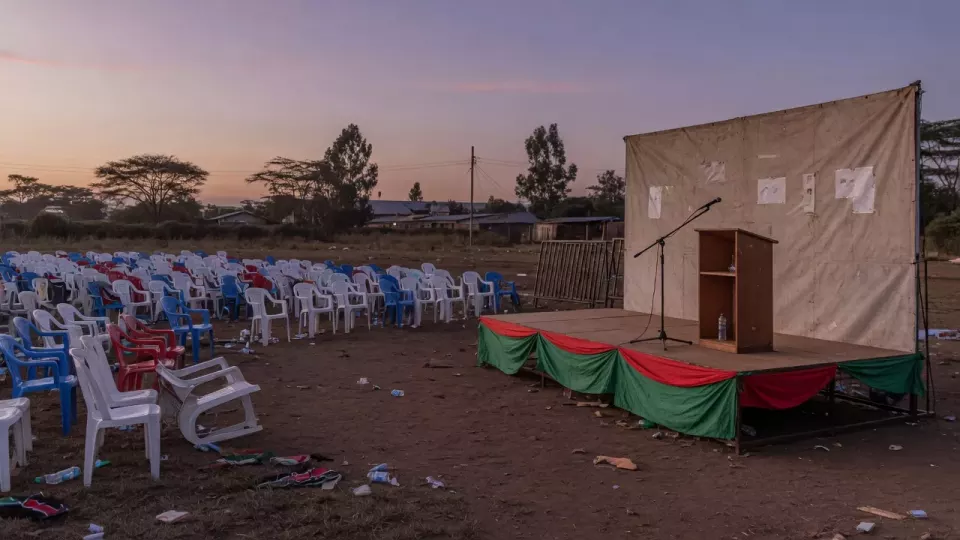
Opposition leaders and civil society organizations have already vowed to mobilize against the new law, with activist networks that were prominent during the 2024 unrest signaling readiness to organize fresh demonstrations. The government has defended the Finance Bill 2026 as essential for funding roads, hospitals, schools, and security services, maintaining that without new revenue measures Kenya cannot sustain critical public investments or service its growing debt obligations.
The weeks ahead will serve as a critical test of both the administration's resolve and Kenya's democratic resilience. If mass protests materialize, President Ruto will once again face pressure to engage directly with demonstrators or risk prolonged political instability. The Finance Bill 2026 may now be law, but the debate over who bears the heaviest tax burden in Kenya is far from settled. For millions of ordinary citizens, the real consequences of this legislation will not be felt in the chambers of Parliament — they will show up in weekly household budgets, mobile money statements, and the prices at local mitumba stalls across the country.