Kenya Deputy President Kindiki Faces Legitimacy Crisis After Ruling
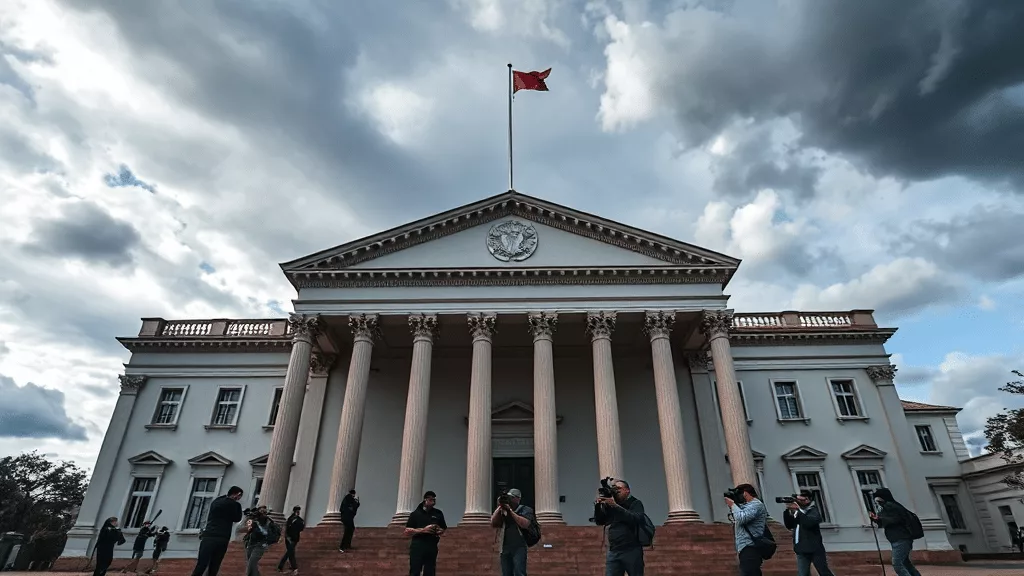
Kenya's Deputy President Kithure Kindiki is at the centre of a deepening constitutional crisis after the Court of Appeal ruled in May 2025 that the High Court bench that validated his swearing-in was improperly constituted, casting a long legal shadow over one of the country's most powerful offices.
The appellate court's judgment focused sharply on the role of Deputy Chief Justice Philomena Mwilu, who the court found had acted outside her constitutional mandate when she assembled the bench that heard and dismissed the original petition challenging Kindiki's appointment. While the ruling stopped short of directly nullifying Kindiki's position, it effectively undermined the judicial foundation upon which his legitimacy had rested since he was sworn in on November 1, 2024. Legal experts warned that the decision opened the door for further challenges that could directly threaten his tenure.
Kindiki's path to the deputy presidency unfolded against the backdrop of one of the most turbulent episodes in Kenya's recent political history. His predecessor, Rigathi Gachagua, made history in October 2024 as the first sitting Kenyan deputy president to be successfully impeached, after both the National Assembly and the Senate voted to remove him amid a highly publicised falling-out with President William Ruto. Parliament cited grounds that included gross violation of the Constitution and conduct unbecoming of the office. Within a matter of days, Kindiki — then serving as Cabinet Secretary for Interior and National Administration — was nominated by Ruto, vetted, approved by Parliament, and sworn in. The breathtaking pace of the process drew criticism from legal observers and opposition figures who argued that due constitutional timelines had been bypassed.
The Court of Appeal ruling triggered an immediate wave of demands for Kindiki to resign or step aside while the courts resolved the matter. Opposition politicians, civil society organisations, and legal scholars argued that an official whose appointment rests on a constitutionally defective judicial process has an ethical obligation to vacate office until the legitimacy question is fully settled. Kindiki rejected those calls without hesitation, maintaining a packed schedule of county engagements and public duties. Government allies closed ranks behind him, dismissing the resignation demands as political theatre with a legal veneer.
The ruling places Kenya's constitutional framework under the harshest scrutiny it has faced in years. If subsequent judicial proceedings affirm that the entire process of clearing Kindiki was fundamentally flawed, the country would be navigating genuinely uncharted territory — a sitting deputy president whose legal title to office is contested at the highest levels of The Judiciary, with no established constitutional mechanism to swiftly resolve such a dispute. The episode has reignited broader debate about the pace and propriety of Kenya's political succession processes and stands to leave a significant imprint on how the country interprets presidential succession law and judicial accountability in the years ahead.