Turkana Oil Production: Development Progress and Petroleum Revenue Expectations Shape Regional Economics and Environmental Concerns

Kenya's Turkana oil production, commencing commercially in June 2023, achieved production rates approaching 100,000 barrels daily by late 2024, positioning oil as a significant contributor to national government revenues and foreign exchange generation. The Tullow Oil-operated South Lokichar Development Project developed initial reserves estimated at approximately 560 million barrels, with resource estimates fluctuating as continued exploration activities refined reserve calculations. Annual petroleum revenues reached approximately 340 billion Kenyan shillings during 2024, contributing approximately 2.8% to government revenues and approximately 1.1% to GDP. These contributions remained modest relative to broader revenue bases and GDP, contradicting pre-development rhetoric suggesting transformative revenue impacts. However, petroleum revenues exceeded development finance from selected bilateral and multilateral partners, providing potential fiscal flexibility if sustained at current production levels.
Regional development implications of Turkana oil generated considerable debate regarding community benefit capture and historical resource curse patterns characterizing petroleum-dependent economies. The government established the Petroleum Development Fund, accumulating approximately 160 billion shillings of petroleum revenues by late 2024, intended for strategic investments in development projects, fiscal stabilization, and future generations' benefit. Turkana County received direct revenue allocations from petroleum income, supplementing county government budgets constrained by limited local revenue generation capacity. County government authorities prioritized petroleum revenues toward infrastructure development including roads, water systems, and health facilities addressing long-standing service delivery deficiencies. However, civil society organizations cautioned that petroleum revenue dependency could undermine incentives toward establishing sustainable local revenue bases through pastoralist productivity, agricultural development, or extractive industries complementing rather than substituting pastoral livelihoods.
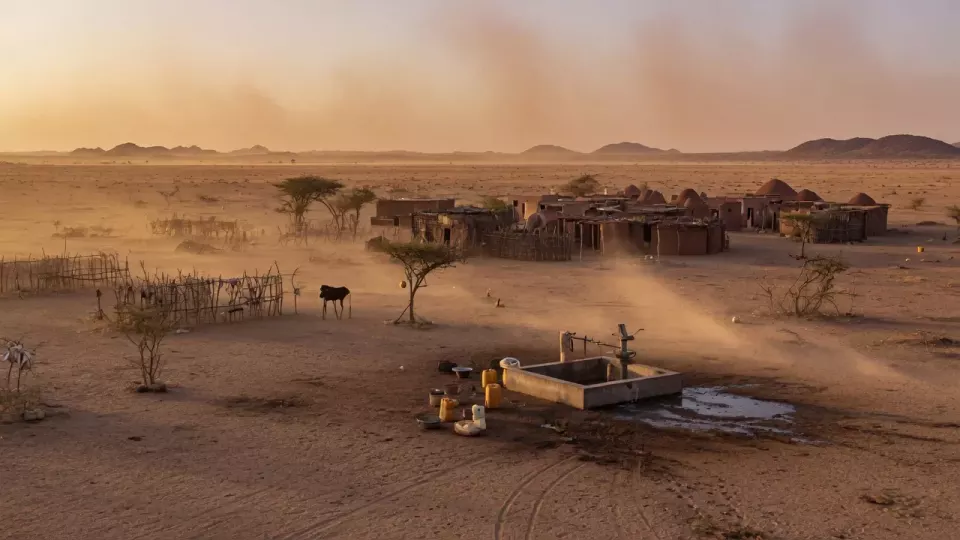
Petroleum development's environmental implications generated increasingly prominent civil society scrutiny and international attention. Turkana County encompasses critical ecosystems including the Turkana Basin, supporting pastoral populations and wildlife conservation areas including Lake Turkana National Park. Environmental impact assessments conducted before development acknowledged potential groundwater contamination risks, oil spill hazards, and atmospheric emissions from petroleum operations. Subsequent production experience revealed operational challenges, including water disposal complications requiring injection wells creating potential long-term sustainability questions. International climate advocacy organizations emphasized that Turkana oil development contradicts Kenya's renewable energy expansion goals and global climate commitments. Kenya's nationally determined contribution targets under the Paris Climate Agreement emphasize renewable energy transition and fossil fuel phase-out, positions inconsistent with sustained petroleum development expansion.
Production expansion plans presented environmental and developmental trade-offs requiring deliberate policy choices. Tullow Oil and exploration partners identified additional resources potentially supporting higher production levels and extended production timelines. Development of these resources would require substantial capital investment (approximately 4-6 billion dollars) and multi-year development timelines. The petroleum expansion would generate additional fiscal revenues but would intensify environmental pressures in Turkana County. Government policy statements have emphasized commitment toward Turkana oil expansion as revenue opportunity, particularly given constrained fiscal space and debt sustainability challenges. However, this expansion trajectory appears inconsistent with government climate commitment rhetoric and renewable energy emphasis espoused in national development strategies.
Transparency and governance frameworks require continued attention regarding petroleum revenue management. The Extractive Industries Transparency Initiative, emphasizing transparency and accountability regarding petroleum revenue flows and utilization, has provided external scrutiny mechanisms. However, implementation of transparency commitments remained incomplete, with periodic delays in petroleum revenue reporting and limited publicly accessible information regarding operational costs, production volumes, and revenue allocations. The Public Finance Management Act establishes requirements regarding Petroleum Development Fund management and parliamentary oversight, but compliance monitoring remains inadequate. Strengthening governance frameworks would enhance accountability regarding petroleum resource stewardship and reduce corruption risks associated with substantial revenue flows.
Long-term petroleum trajectory sustainability remains uncertain given global energy market transitions toward renewable energy prominence. International capital markets increasingly restrict financing for petroleum development projects, reflecting environmental concerns and climate commitment pressures. Major oil companies face shareholder demands toward fossil fuel phase-out, potentially reducing investment capital availability for new petroleum projects. Consequently, Turkana oil production may plateau at current levels or decline more rapidly than initially projected as existing fields deplete and replacement reserves prove uneconomical to develop. This uncertain petroleum trajectory reinforces arguments favoring renewable energy investments and economic transition strategies reducing petroleum revenue dependency. Government policy should arguably emphasize petroleum revenue preservation through Petroleum Development Fund accumulation rather than expanding petroleum production, enabling fiscal flexibility for eventual energy transition periods when petroleum revenues decline.