Transport sector strike has exposed deeper fuel crisis lessons
When Kenya's petroleum transporters withdrew their services last month, the immediate consequences — fuel station queues, grounded matatus, and rising fares — were visible and acute. The more durable story, however, is what the dispute exposed about structural vulnerabilities that predate the labour grievance and will persist long after it is settled.
Kenya imports virtually all its petroleum, with Mombasa's Kipevu Oil Terminal serving as the principal entry point for crude and refined fuel before distribution through the Kenya Pipeline Company network to inland depots. The system carries minimal buffer: the country typically maintains strategic reserves covering only a few weeks of national consumption, well below the ninety-day benchmark recommended for import-dependent economies by international energy agencies.
The transporters' leverage derived entirely from this structural thinness. A sector employing a relatively small workforce was able to generate nationwide disruption because the distribution chain contains no meaningful redundancy. Energy analysts have long advocated for expanded storage capacity at Nairobi, Kisumu, and Eldoret depots, alongside accelerated pipeline investment to reduce dependence on road tankers for final-mile distribution.
The strike renewed debate about urban public transport with equal urgency. Nairobi's matatu-dependent commuter system has no viable alternative for an estimated five million daily riders. Proposed Bus Rapid Transit corridors, announced repeatedly since the Kibaki administration, remain substantially unbuilt despite successive budget allocations.
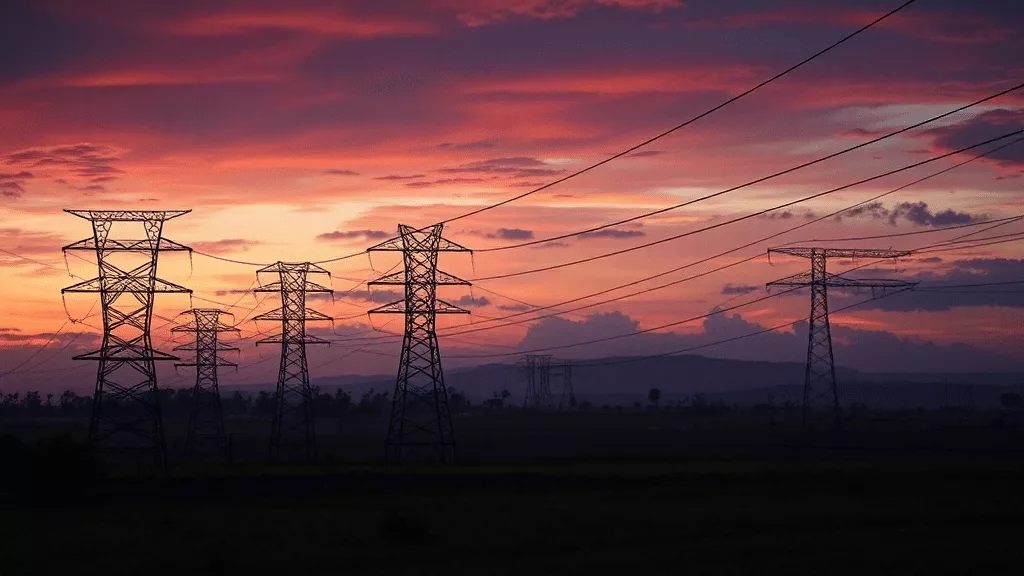
Kenya's broader energy transition agenda — expanding LPG uptake, accelerating rural electrification, and developing charging infrastructure for electric vehicles — is directly relevant here. Petroleum demand is not declining, but the infrastructure built to serve it has not kept pace with population growth or urban expansion. The transporters' strike was a symptom of systemic underinvestment. The underlying condition demands a longer and considerably more expensive course of treatment.