Toxic honey, shrinking pasture: Ipomea weed threatens Kajiado herders
Title: Invasive Ipomoea weed spreads through Kajiado rangelands, poisoning livestock and depleting grazing land
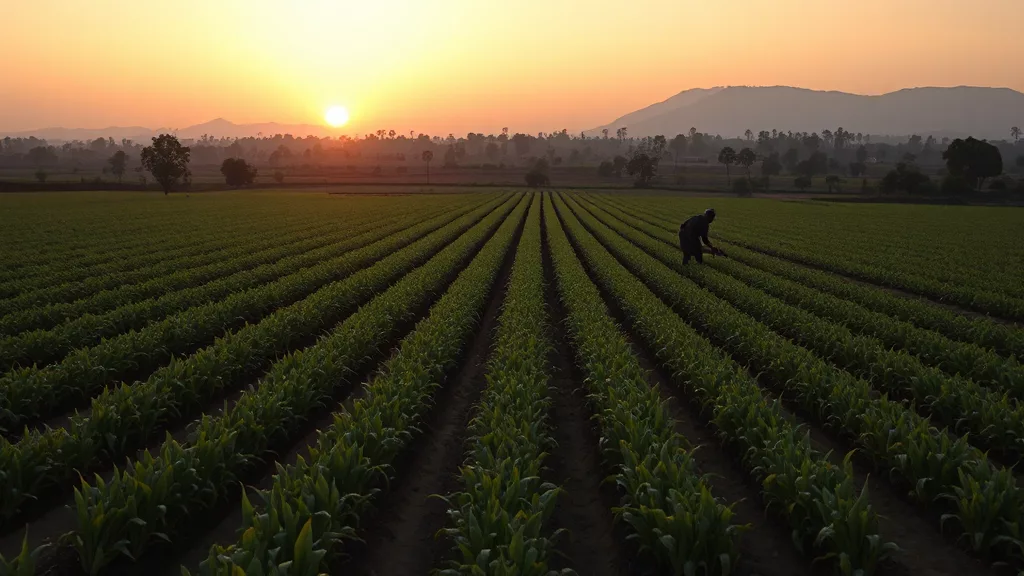
Pastoral communities in Kajiado County are confronting an escalating ecological crisis as the invasive Ipomoea plant continues to spread across rangelands, reducing available pasture for cattle and goats while producing honey that veterinarians and herders say is proving lethal to livestock.
The weed, a flowering vine in the morning glory family, has colonised thousands of acres of traditional Maasai grazing land in recent years, accelerated by changing rainfall patterns and land fragmentation that has disrupted the seasonal movement routes herders have relied on for generations. As the plant spreads, it outcompetes native grasses and shrubs that form the nutritional backbone of pastoral diets for animals during dry seasons.
A further and more acute concern is the honey produced by bees foraging on Ipomoea flowers. Herders in several sub-counties have reported cattle deaths and neurological symptoms in goats after animals consumed honey or came into contact with flowering patches. Toxicological assessments by the Kenya Veterinary Research Institute have flagged alkaloid compounds in the plant as a probable cause, though comprehensive studies remain limited.
The crisis compounds existing pressures on the Kajiado pastoral economy. Subdivision of formerly communal land has reduced mobility, drought frequency has increased under observed climate shifts, and competition for remaining grassland has intensified between herders and smallholder farmers encroaching from neighbouring counties.
County agricultural officers have begun distributing herbicide to affected households on a pilot basis, but herders say the intervention is too slow and too small in scale relative to the weed's spread. Environmental researchers have cautioned against blanket herbicide application, warning it risks further destabilising fragile dryland ecosystems. Community-based early-detection and clearing programmes, modelled on similar initiatives in Laikipia, are being proposed as a more sustainable response.