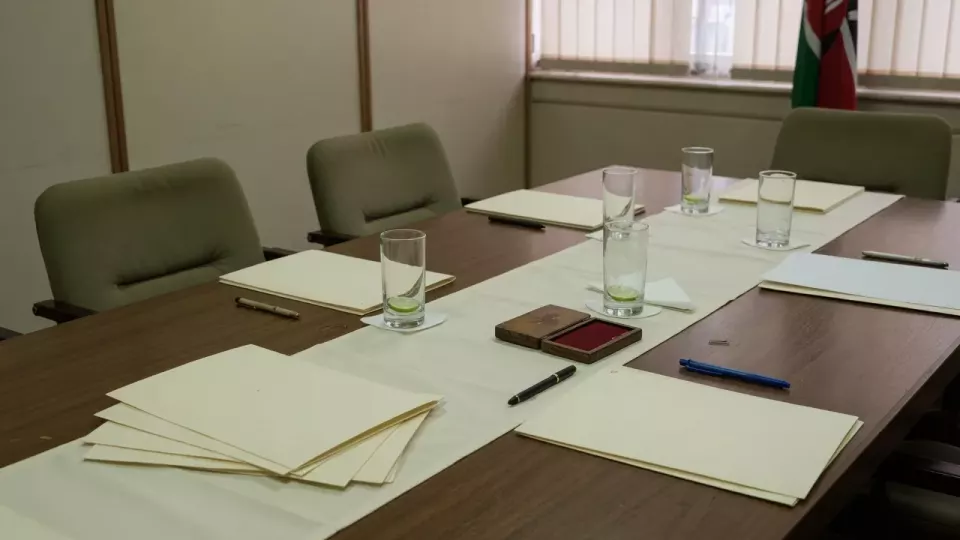
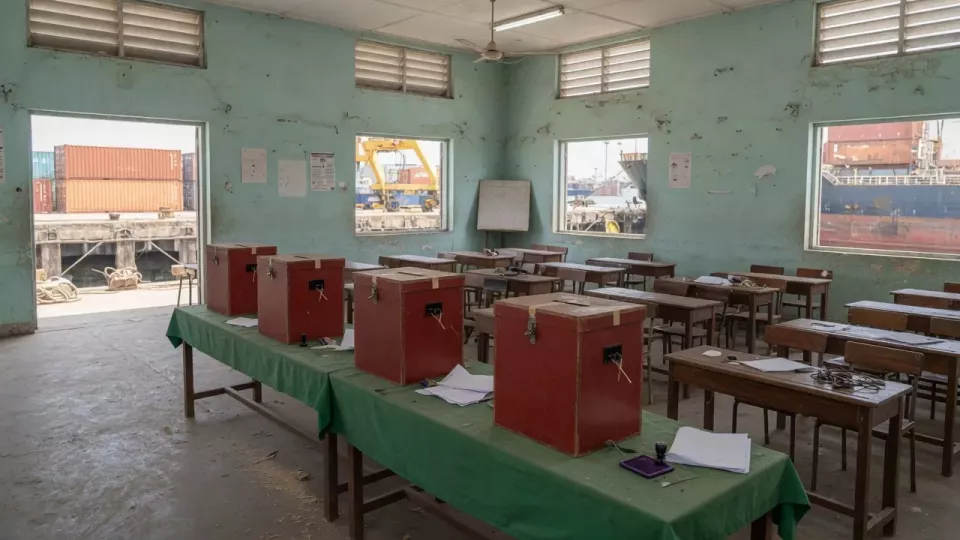
How MPs Bomas boycott put slow puncture on Kenya's sovereignty

Kenya's constitution-making journey reached its most consequential moment in 2010, when a document drafted through years of painstaking civic participation was ratified by more than two-thirds of voters. That process required, among other things, the willingness of elected representatives to submit to a framework larger than their individual interests.
The subsequent record of parliamentary engagement with constitutional obligations has been considerably less inspiring.
The Bomas process — named for the Nairobi venue that hosted the original constitutional conference — represented a genuine attempt to situate sovereign authority in the Kenyan people rather than in the legislature or the executive. When a significant bloc of MPs declined to participate in later constitutional review processes, citing factional calculations or tactical positioning, they did more than register a political objection. They withdrew from the very mechanism through which the constitution requires democratic deliberation to occur.
The consequences have been structural, not merely symbolic. Provisions of the 2010 Constitution relating to the two-thirds gender rule, devolution funding floors and independent commissions have been selectively implemented, deferred or diluted through legislative manoeuvre. Each instance has been individually defensible on procedural grounds. Cumulatively, they represent a sustained pattern of parliament placing institutional self-interest above constitutional architecture.
Kenya's devolution experiment, which transferred significant resources and functions to 47 county governments, has demonstrated genuine popular support. County-level accountability mechanisms, however, depend on a national legislative framework that takes oversight seriously.
Sovereignty, in the constitutional sense, is not a possession of parliament — it is held by citizens and expressed through institutions parliament is obligated to uphold. When MPs boycott the processes that give those institutions meaning, the erosion is slow but it is real.