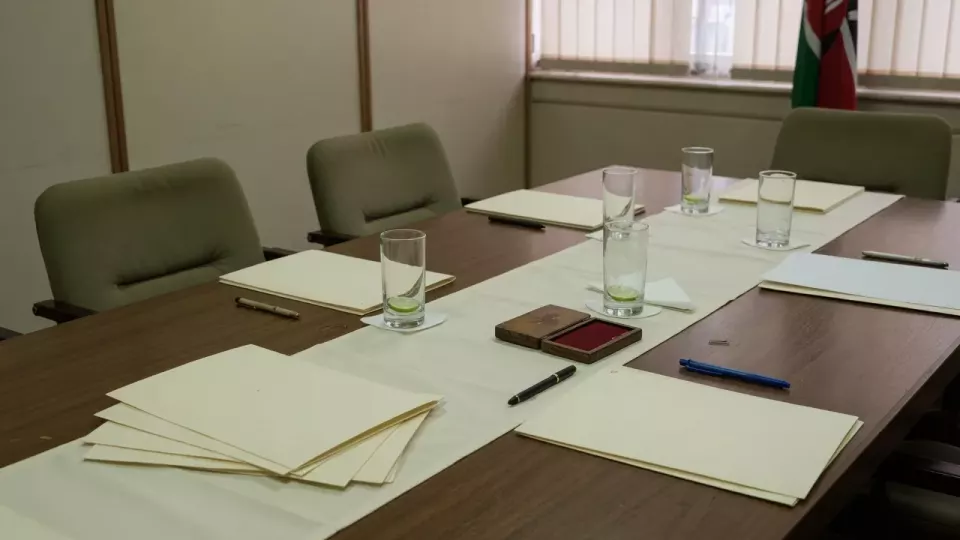
'Igogo': The portrait of Kenya's creative society
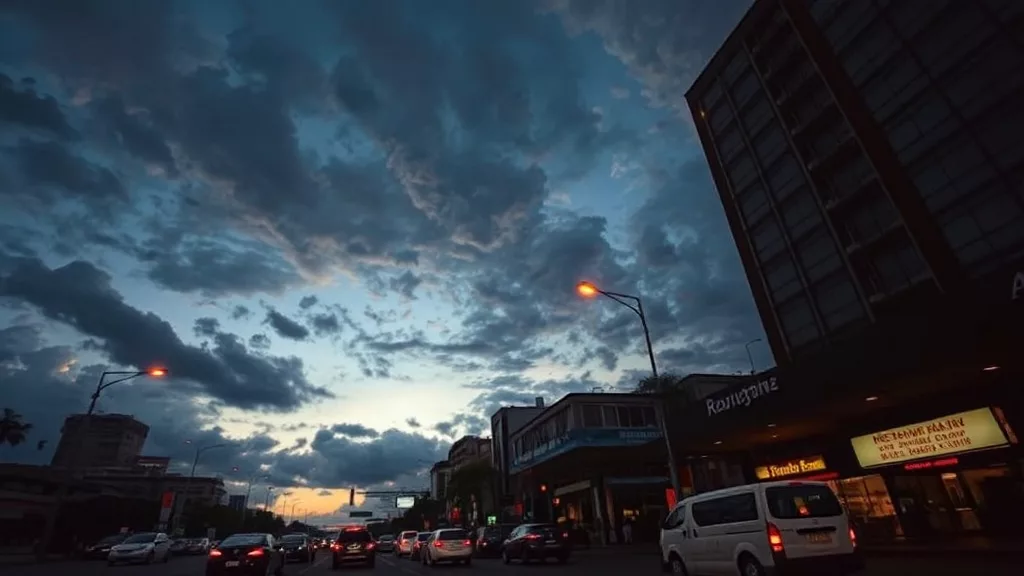
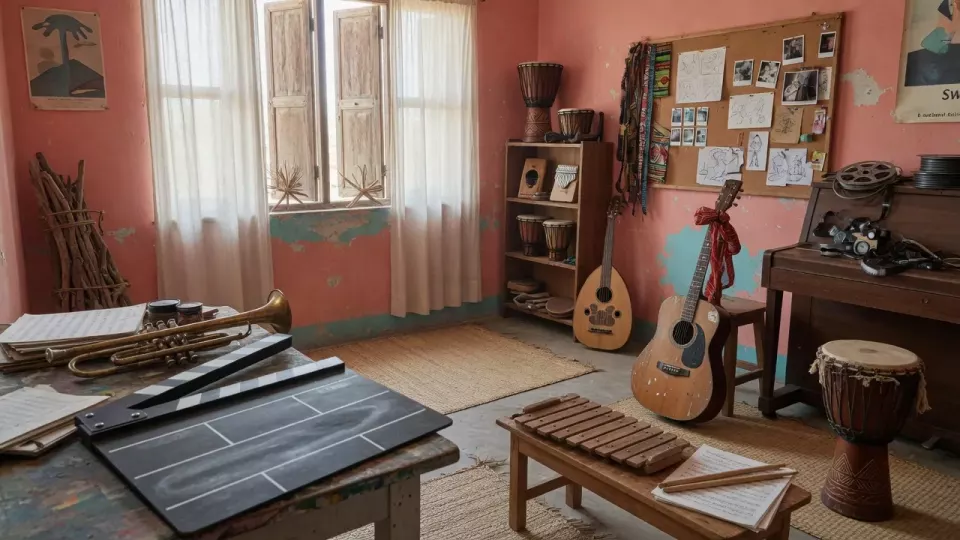
Kenya has long produced a particular kind of street-level genius — the ability to observe the absurdities of daily life with precision, compress them into a phrase, a sketch, or a short video, and release them into public consciousness where they spread faster than any formal media campaign. This cultural output, increasingly gathered under the umbrella of what commentators call "igogo" — a Swahili-inflected term for the raw, unfiltered creative voice of ordinary people — deserves serious attention.
Walk through Nairobi's bus terminals, scroll through Twitter Kenya, or sit in a matatu on Thika Road, and you will encounter this creativity constantly. A conductor's running commentary on traffic becomes a performance. A market vendor's negotiating style becomes theatre. A TikTok creator from Kibera, working with a smartphone and no production budget, generates millions of views by replicating the mannerisms of a bureaucrat or a church elder with surgical accuracy.
What makes this more than entertainment is its diagnostic function. Kenyan humour has always been a form of social criticism. The jokes about electricity outages, about the price of unga, about the distance between political promises and lived experience — these are not merely comic relief. They are the population's way of naming its reality when formal channels fail to do so honestly.
The challenge now is whether this creative energy can be channelled into durable institutions — whether the sharp observer who makes a viral clip can also become a filmmaker, a writer, a product designer. Kenya's creative economy is growing, but remains underinvested relative to the talent available.
Igogo, at its best, is not cynicism. It is a form of civic intelligence waiting to be taken seriously.